In today’s interconnected world, the path of entrepreneurship knows no boundaries. With technology breaking down barriers and markets becoming increasingly globalised, aspiring entrepreneurs have unprecedented opportunities to launch and expand businesses on a global scale.
Becoming a global entrepreneur is an exhilarating endeavour that requires vision, strategic thinking, and adaptability. In this blog post, we will explore the steps and mindset required to embark on the journey of becoming a successful global entrepreneur.
Define your Passion and Expertise: Passion and expertise are the cornerstones of entrepreneurial success. Identify your areas of interest and leverage your expertise to identify potential business opportunities. By aligning your passion with your business venture, you will have the motivation and determination to overcome challenges on the global stage. .
Embrace a Global Mindset: A global mindset is crucial for navigating diverse cultural, economic, and regulatory landscapes. Cultivate an open-minded approach to embrace different…
Here are some of the events that happened on this day in Australian history. Please feel free to add others that you know of in the comments section.
1896 – The second Victoria Bridge is opened in Brisbane by the Governor of Queensland, Lord Lamington. The previous bridge was destroyed by floodwaters.
1903 – Garfield Barwick, Chief Justice of the High Court of Australia is born in Sydney.
1926 – The Council for Scientific Research (CSIR) formed; later became the Commonwealth Scientific and Industrial Research Organisation.
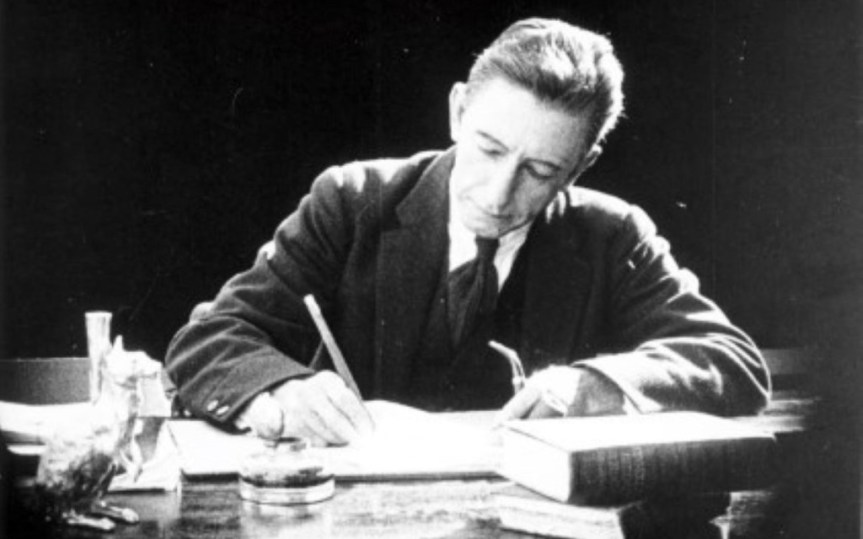
1938 – Poet C. J. Dennis (pictured) died.
1957 – Garry Gary Beers, bassist for INXS is born.
1977 – The Uniting Church of Australia is formed from the Methodist, Congregational and Presbyterian Churches.
International Observances.
Anti-Fascist Struggle Day (Croatia)
Day of Remembrance of the Victims of the Great Patriotic War (Belarus)
Leadership is a multifaceted concept that encompasses various styles and approaches. Different situations call for different leadership styles, and understanding and utilising these styles appropriately can significantly impact a leader’s effectiveness and the outcomes achieved.
In this blog post, we will explore different leadership styles and how they can be harnessed to drive success and achieve desired results.
Autocratic Leadership: Autocratic leadership involves centralised decision-making and strict control by the leader. While this style may seem rigid, it can be effective in situations where quick decisions and clear directions are required. Autocratic leaders take charge, provide explicit instructions, and expect immediate compliance. This style is best suited for urgent and critical situations where there is little room for debate or collaboration. .
Democratic Leadership: Democratic leadership emphasises the involvement of team members in the decision-making process. Leaders who adopt this style encourage open communication, seek input from their…
In today’s interconnected and diverse world, navigating the cultural landscape can often feel like traversing a minefield. As individuals and communities become more globalised, cultural sensitivity and understanding become crucial for fostering meaningful relationships and avoiding unintentional conflicts.
In this blog post, we will explore strategies and tips for successfully navigating the cultural minefield, promoting inclusivity, and building bridges across different cultures.
Cultivate Cultural Awareness: Developing cultural awareness is the first step towards navigating the cultural minefield. Take the time to educate yourself about different cultures, traditions, customs, and beliefs. Engage in self-reflection to understand your own biases and assumptions, and be open to learning from others. Recognise that cultural differences exist and that they can enrich our understanding of the world. .
Practice Active Listening: Effective communication is essential when navigating cultural differences. Practice active listening by genuinely paying attention to others’ perspectives without judgment or interruption…
Here are some of the events that happened on this day in Australian history. Please feel free to add others that you know of in the comments section.
1790 – The Second Fleet arrives at Port Jackson.
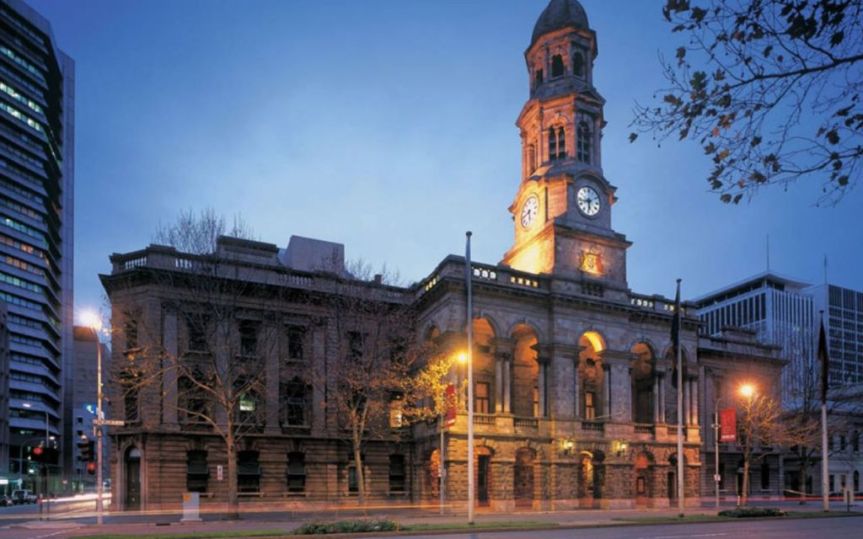
1866 – Adelaide’s Town Hall (pictured) opens.
1927 – Film premiere of For the Term of his Natural Life.
1949 – Lance Sharkey, chairman of the Communist Party, is convicted for sedition.
1999 – Australia wins the 1999 Cricket World Cup, defeating Pakistan in the final.
2002 – Australia decided to ratify the International Criminal Court.
International Observations.
Day of the National Flag (Argentina)
Earliest possible date for the summer solstice in the Northern hemisphere and the winter solstice in the Southern hemisphere, and its related observance: – Earliest day on which Day of the Finnish Flag can fall, while June 26 is the latest; celebrated on Saturday of Midsummer’s Day (Finland) –…
In the ever-evolving world of business, effective promotion is an essential component of a comprehensive marketing strategy. As companies strive to capture and retain customers, the marketing mix plays a crucial role, with promotion acting as the engine that drives brand visibility and engagement.
In this blog post, we will explore the significance of promotion within the marketing mix, delve into various promotional strategies, and discuss how businesses can leverage them to achieve success.
Understanding the Marketing Mix: Before diving into the realm of promotion, let’s briefly revisit the marketing mix. Consisting of the four Ps—Product, Price, Place, and Promotion—the marketing mix serves as a framework for crafting a well-rounded marketing strategy. While all four elements are important, promotion stands out as the catalyst that propels a brand’s message to its target audience. .
The Role of Promotion: Promotion encompasses a wide range of activities aimed at increasing…
Here are some of the events that happened on this day in Australian history. Please feel free to add others that you know of in the comments section.
1797 – Australian explorer Hamilton Hume born at Parramatta, New South Wales
1946 – Hon. John Dedman introduced legislation to establish the Australian National University (pictured).
1969 – Equal pay for women granted by the Arbitration Commission.
International Observances.
Day of the Independent Hungary (Hungary)
Feast of Forest (Palawan)
Juneteenth (United States)
Labour Day (Trinidad and Tobago)
Laguna Day (Laguna)
Birthday of Jose Gervasio Artigas (Uruguay)
World Sickle Cell Day (International)
Thank you for reading our history post today. We hope you found it interesting. If you’re interested in any of our courses, or our micro-credentials, please complete the following form.
In the ever-evolving world of marketing, businesses strive to create a winning formula that maximises their competitive advantage. One crucial element of this formula is the price of the product or service being offered.
Pricing plays a pivotal role in shaping consumer perceptions, profitability, and market positioning. In this blog post, we will delve into the significance of pricing in the marketing mix and explore strategies to help you set the right price for your offerings.
Understanding the Role of Price in the Marketing Mix: The marketing mix comprises four key elements: product, price, promotion, and place (distribution). Price, often underestimated, holds tremendous potential to influence customer behavior and impact overall business success. We will discuss how pricing aligns with the other elements of the marketing mix to create a cohesive strategy. .
Factors to Consider When Setting Prices: Determining the right price requires a comprehensive analysis of…
Here are some of the events that happened on this day in Australian history. Please feel free to add others that you know of in the comments section.
1827 – James Stirling establishes a settlement at Raffles Bay.
1829 – Official proclamation of the Swan River Colony.
1881 – The Art Gallery of South Australia opened by Prince Albert Victor, Duke of Clarence.
1938 – Birth date of footballer Kevin Murray.
International Observances.
Autistic Pride Day (International)
Foundation Day (Benguet)
Human Rights Day (Azerbaijan)
National Day (Seychelles)
Queen Mother’s Birthday (Cambodia)
Waterloo Day (United Kingdom)
Thank you for reading our history post today. We hope you found it interesting. If you’re interested in any of our courses, or our micro-credentials, please complete the following form.
When it comes to marketing, the right product or service needs to be available at the right place, at the right time. This is where the “place” element of the marketing mix plays a crucial role. Place refers to the distribution channels and strategies used to ensure that products or services reach the target market effectively.
In this blog post, we will explore the significance of place in the marketing mix and discuss strategies to optimise your distribution channels for business success.
Understanding the Role of Place in the Marketing Mix: The place element of the marketing mix focuses on making products or services conveniently accessible to the target audience. We will discuss how place interacts with the other elements of the marketing mix, such as product, price, and promotion, to create a seamless customer experience. By strategically selecting and managing distribution channels, businesses can enhance their market reach…
In today’s competitive business landscape, creating a winning product is crucial for any organisation. The marketing mix, a foundational framework in marketing strategy, provides a comprehensive approach to designing and promoting products that resonate with consumers.
In this blog post, we will delve into the product element of the marketing mix and explore effective strategies to ensure your product stands out from the crowd and achieves maximum success.
Understanding Customer Needs: Before diving into product development, it is essential to understand your target market’s needs and preferences. Conduct thorough market research, engage with your audience, and analyse their feedback. By gaining insights into their desires, pain points, and preferences, you can create a product that genuinely addresses their needs, increasing its chances of success. .
Product Differentiation: In a crowded marketplace, differentiation is key. Your product must offer unique features, benefits, or attributes that set it apart from…
Here are some of the events that happened on this day in Australian history. Please feel free to add others that you know of in the comments section.
1792 – Major Sir Thomas Livingston Mitchell, surveyor and explorer of south-eastern Australia, was born.
1869 – Explorer Charles Sturt died.
1884 – The South Australian government of John Bray lost a no confidence motion over the introduction of a new tax and Bray was replaced as premier by the opposition leader John Colton.
1906 – The town of Roma, Queensland becomes the first town in Australia to be lit and powered by natural gas, however the gas reserve only lasts ten days.
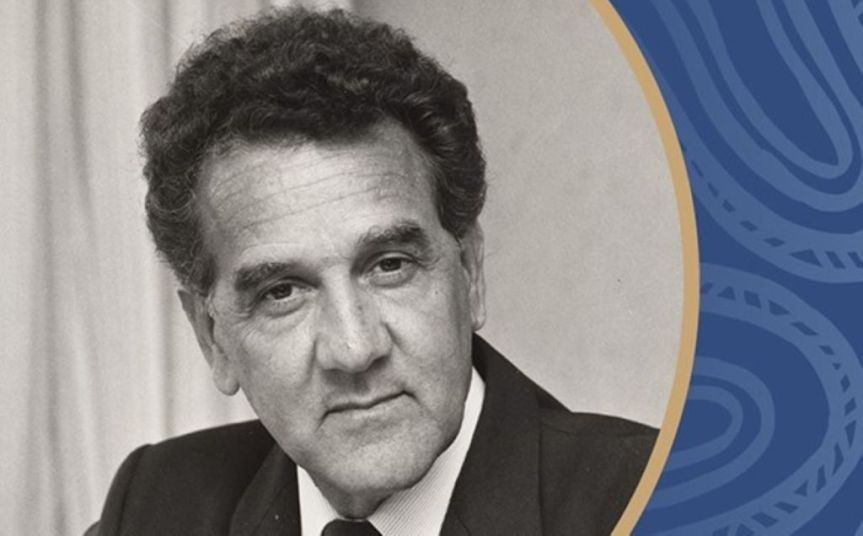
1936 – Charles Perkins (pictured), Aboriginal activist, is born.
1950 – Butter rationing ends.
1993 – Lindsay Hassett, Australian cricketer dies.
Advance Institute of Business is offering free enrolment into the micro-credential BSBCRT311 Apply critical thinking skills in a team environment (*subject to a A$25 enrolment fee). This unit is normally valued at A$300, but if you enrol before midnight on the 18th June 2023, it is free (apart from the enrolment fee).
The unit is also a core unit in the nationally recognised BSB30120 Certificate III in Business and BSB40120 Certificate IV in Business, so can be applied as credit if you continue on to those certificates. You will receive a reduction in the fee for these courses if you have completed this unit.
To get your enrolment started, please complete the form below, and select Micro-credentials from the list of courses available. We will then call you to finish the enrolment, or discuss the course further.
The elements of study and performance criteria for assessment are as follows:
Here are some of the events that happened on this day in Australian history. Please feel free to add others that you know of in the comments section.
1862 – Frank Gardiner, Ben Hall and Johnny Gilbert bailed up the Lachlan Gold Escort in Eugowra Rocks near Forbes, New South Wales. This hold up is still considered to be the largest ever gold robbery in Australia’s history.
1909 – Representatives from England, Australia and South Africa meet at Lord’s and form the Imperial Cricket Conference.
1924 – Yallourn Power Station began operating.
1952 – Clare Martin, Chief Minister of the Northern Territory is born.
1992 – Painter Brett Whiteley (pictured) dies from heroin overdose.
1997 – Jaidyn Leskie murder – toddler murdered and found dumped in a dam near Moe, Victoria.
International Observances.
Arbor Day (Costa Rica)
Day of Valdemar and Reunion Day (Flag Day) (Denmark)
In today’s rapidly changing and interconnected business landscape, diversity in top management has emerged as a critical factor for organisational success. Gone are the days when leadership teams were homogenous and predominantly represented a single demographic.
In this blog post, we will explore the profound impact of diversity in top management and how it drives innovation, fosters inclusive cultures, and ultimately propels businesses forward.
Enriched Decision-Making: Diversity in top management brings together individuals from various backgrounds, experiences, and perspectives. This rich tapestry of diversity facilitates robust and well-informed decision-making processes. When leaders with different viewpoints collaborate, they challenge assumptions, consider alternative approaches, and mitigate the risks of groupthink. This diversity of thought leads to more innovative and effective solutions to complex business challenges. .
Accelerated Innovation and Creativity: An inclusive top management team cultivates an environment that encourages diverse thinking. By bringing together individuals with different perspectives, skills…
Here are some of the events that happened on this day in Australian history. Please feel free to add others that you know of in the comments section.
1825 – Van Diemen’s Land is separated administratively from New South Wales, it becomes fully independent in December.
1851 – Gold discovered at the Turon River, New South Wales, the diggings became the richest in New South Wales.
1883 – Trains link Sydney and Melbourne.
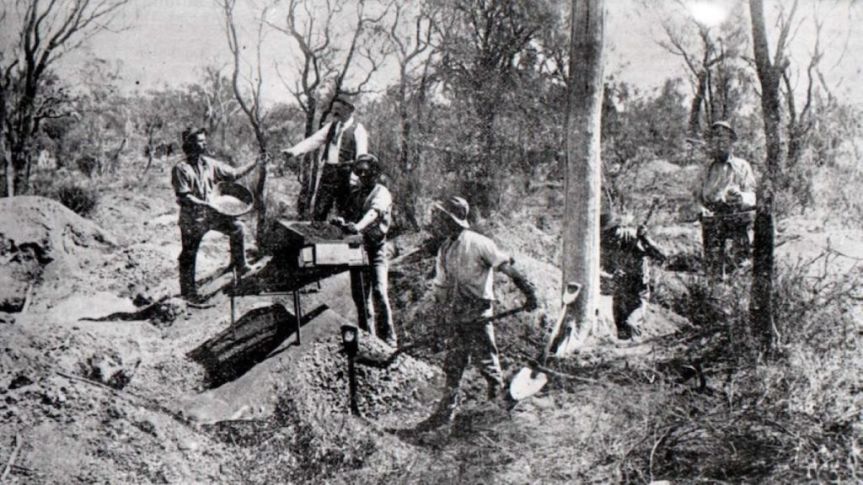
1893 – Gold discovered at Kalgoorlie, Western Australia by Paddy Hannan and two others (see picture).
1943 – Forty American service personnel are killed in Australia’s deadliest aviation disaster at Bakers Creek, Queensland.
1968 – Pacifist Simon Townsend (later TV entertainer) was granted exemption from National Service after being detained at Ingleburn Army Camp on bread and water rations.
1982 – Arthur Coles, businessman and philanthropist, dies.
International Observances.
Commemoration of the Soviet Deportation related observances: –…
Giving a great presentation is a valuable skill that can have a profound impact on your professional and personal success. Whether you’re presenting in a boardroom, at a conference, or in a classroom, captivating your audience and delivering your message effectively is essential.
To give a killer presentation, you can follow some tips and strategies recommended by Chris Anderson, the curator of TED Talks. Here’s a step-by-step guide:
Define your objective: Start by clarifying the purpose of your presentation. What do you want to achieve? Identify the key message you want to convey to your audience. .
Know your audience: Understand who you’ll be presenting to. What are their interests, knowledge level, and expectations? Tailor your presentation to resonate with them. .
Structure your presentation: Create a clear and logical structure for your presentation. Use a storytelling approach by dividing it into three parts: an introduction, a…
Here are some of the events that happened on this day in Australian history. Please feel free to add others that you know of in the comments section.
1917 – Charles McDonald ceased being Speaker of the Australian House of Representatives.
1927 – Country music singer Slim Dusty (pictured) born.
1933 – The Australian Antarctic Territory is established.
1951 – Former prime minister Ben Chifley died.
1959 – Politician Steve Georganas born.
1998 – The ruling National Party government of Rob Borbidge is defeated and a minority ALP government, led by Peter Beattie is elected in Queensland.
International Observances.
Inventors’ Day (Hungary)
Suleimaniah City Fallen and Martyrs Day (Iraqi Kurdistan)
International Albinism Awareness Day (international) Inventors’ Day (Hungary)
Thank you for reading our history post today. We hope you found it interesting. If you’re interested in any of our courses, or our micro-credentials, please complete the following form.
In the realm of business and organisational management, the terms “managers” and “leaders” are often used interchangeably. However, these roles possess distinct qualities and approaches that can significantly impact the success and productivity of a team.
In this blog post, we will explore the key differences between managers and leaders, highlighting their unique characteristics, responsibilities, and the impact they have on their teams.
Defining Managers and Leaders: . Managers: A manager is an individual entrusted with overseeing and coordinating a team’s day-to-day operations. They are responsible for organising resources, assigning tasks, setting goals, and ensuring that deadlines are met. Managers typically focus on maintaining efficiency, controlling processes, and enforcing policies. . Leaders: On the other hand, leaders are individuals who inspire and guide their teams towards a shared vision. They possess a compelling vision and the ability to motivate and influence others to achieve common goals. Leaders…
Here are some of the events that happened on this day in Australian history. Please feel free to add others that you know of in the comments section.
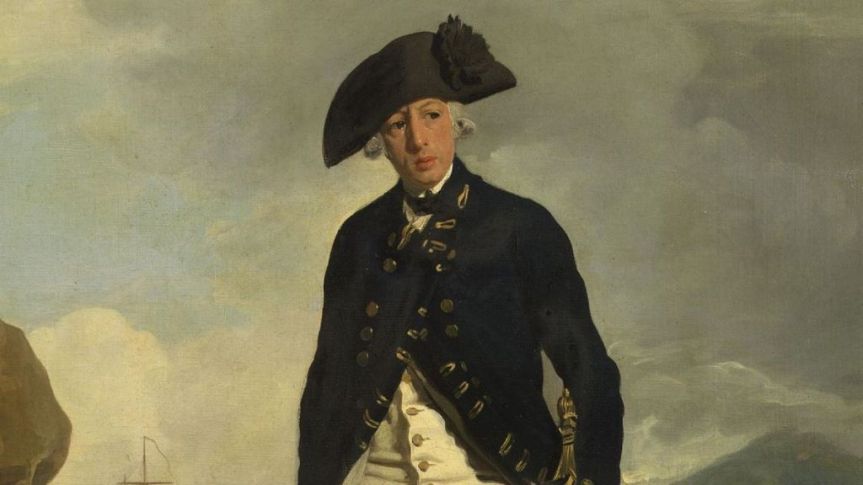
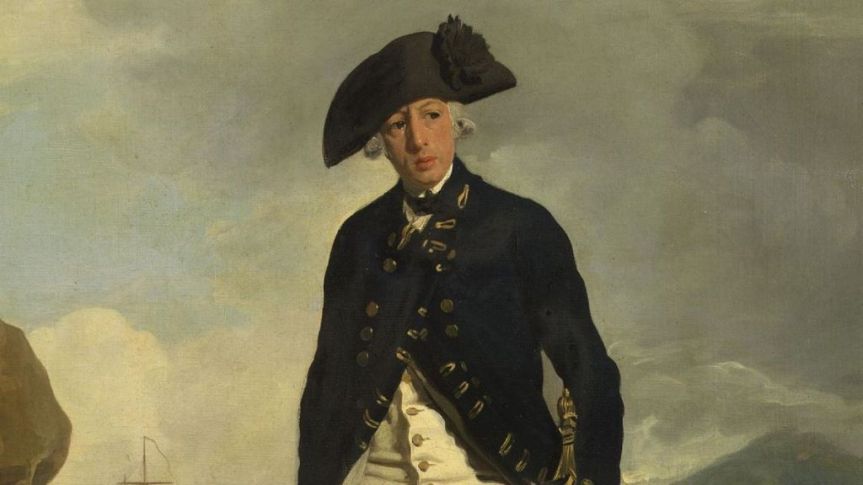
1789 – The Hawkesbury River is discovered by Governor Arthur Phillip (pictured).
1883 – The first Australasian headquarters of the Salvation Army opened in Melbourne.
1886 – William Spence chaired a meeting of shearers in Ballarat, Victoria at which the unanimous decision was to form the Amalgamated Shearers’ Union which later became part of the Australian Workers Union.
1902 – The Commonwealth Franchise Act granted most Australian women the right to vote and stand in federal elections.
1956 – A free mass vaccination program with Salk polio vaccine commences.
1996 – Two Australian Army UH-60 Black Hawk helicopters collide near Townsville killing 18 soldiers.
In the ever-evolving landscape of business, success requires more than just traditional cognitive abilities. Howard Gardner’s theory of multiple intelligences offers a broader perspective on human capabilities, highlighting eight distinct intelligences.
By embracing and harnessing these intelligences within the workplace, businesses can unlock a wealth of talent, creativity, and innovation. In this blog post, we will explore each of the eight multiple intelligences and how they can contribute to business excellence.
Linguistic Intelligence: The Power of Words – Linguistic intelligence involves a strong aptitude for language and effective communication. Employees with linguistic intelligence excel in written and verbal expression. Businesses can leverage this intelligence by assigning them tasks that require crafting persuasive content, such as marketing materials, presentations, or customer communications. Their ability to articulate ideas clearly can enhance internal collaboration and external engagement. .
Logical-Mathematical Intelligence: The Mind of a Problem Solver – Logical-mathematical intelligence is characterised…
Here are some of the events that happened on this day in Australian history. Please feel free to add others that you know of in the comments section.
1932 – Food relief reached its peak in New South Wales with 413,171 food orders processed in the preceding four weeks.
1937 – Robin Warren, Nobel Prize winner, is born.
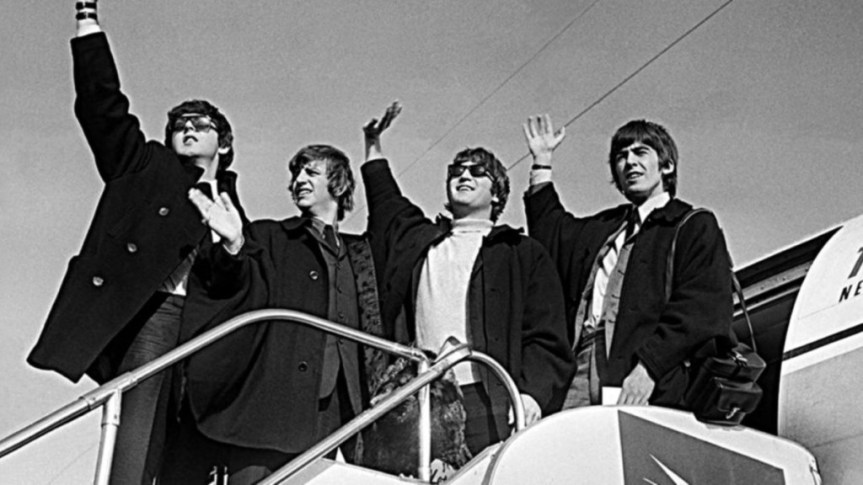
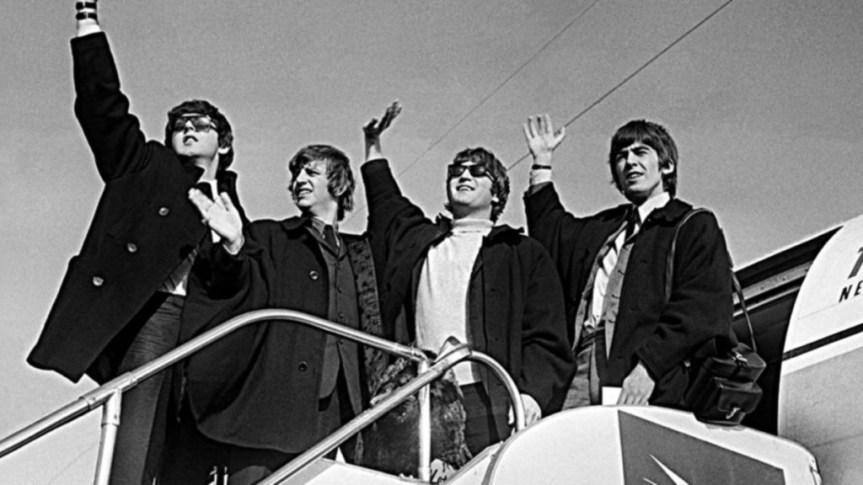
1964 – The Beatles (pictured) began their three week tour of Australia; in Adelaide 300,000 fans turned out to see the band drive in a motorcade from the airport into the city.
1971 – Neville Bonner is sworn into the Australian Senate – he is the first Aboriginal federal parliamentarian.
International Observances.
American Evacuation Day (Libya)
Brazilian Navy commemorative day (Brazil)
Davis Day (Cape Breton, Nova Scotia, Canada)
King Kamehameha I Day (Hawaii, United States)
Student Day (Honduras)
Thank you for reading our history post today. We hope you found it interesting…