

David Gordon "Slim Dusty" Kirkpatrick was born on 13 June 1927 in Kempsey, New South Wales, Australia. The son of a cattle farmer, he was brought up on Nulla Nulla Creek dairy farm. He wrote his first song, entitled "The Way The Cowboy Dies" at age ten and took the name "Slim Dusty" when he … Continue reading November 19, 1946 – Australian country music singer Slim Dusty records his first single
Tag: History
November 19, 1863 – Abraham Lincoln delivers Gettysburg Address
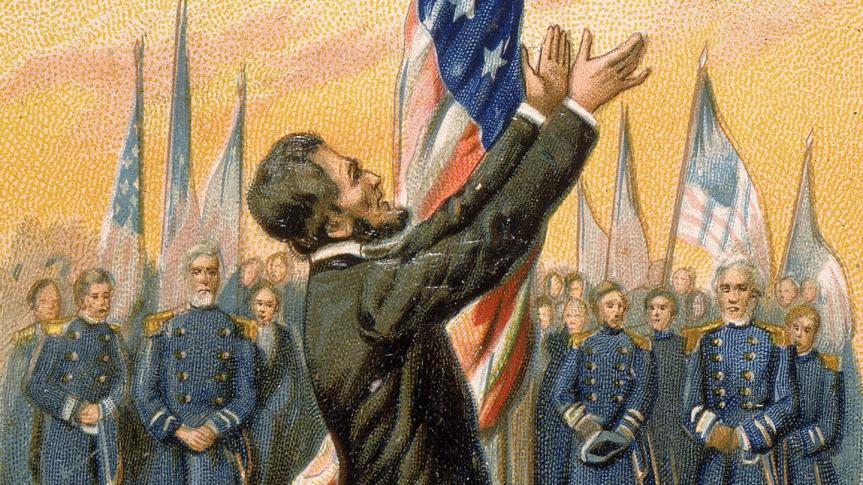
On November 19, 1863, at the dedication of a military cemetery at Gettysburg, Pennsylvania, during the American Civil War, President Abraham Lincoln delivers one of the most memorable speeches in American history. In fewer than 275 words, Lincoln brilliantly and movingly reminded a war-weary public why the Union had to fight, and win, the Civil War. The Battle of Gettysburg, fought … Continue reading November 19, 1863 – Abraham Lincoln delivers Gettysburg Address
November 18, 1879 – One of Australia’s youngest bushrangers, a 15-year-old member of Captain Moonlite’s gang, is shot and killed.
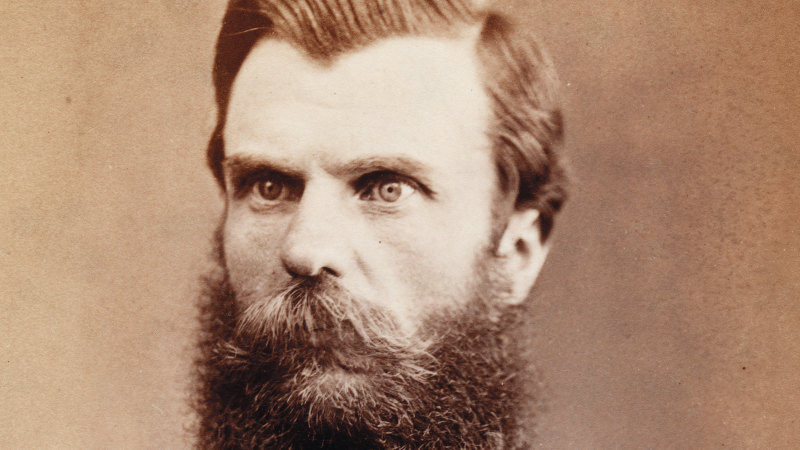
Augustus Wernicke was one of Australia's youngest bushrangers, and part of Captain Moonlite's gang. Captain Moonlite, aka Andrew George Scott, became a bushranger upon his release from gaol, eight years after robbing the bank at Mount Egerton, Victoria. He recruited several other gang members, among them 15-year-old Wernicke, and walked to New South Wales, hoping … Continue reading November 18, 1879 – One of Australia’s youngest bushrangers, a 15-year-old member of Captain Moonlite’s gang, is shot and killed.
November 18, 1978 – Mass suicide at Jonestown

On November 18, 1978, Peoples Temple founder Jim Jones leads hundreds of his followers in a mass murder-suicide at their agricultural commune in a remote part of the South American nation of Guyana. Many of Jones’ followers willingly ingested a poison-laced punch while others were forced to do so at gunpoint. The final death toll at Jonestown that day … Continue reading November 18, 1978 – Mass suicide at Jonestown
November 17, 1840 – Eyre replenishes his supplies at Fowler’s Bay, South Australia

Edward John Eyre was the first white man to cross southern Australia from Adelaide to the west, travelling across the Nullarbor Plain to King George's Sound, now called Albany. Eyre began the journey with his overseer, John Baxter, and three Aborigines, intending to cross the continent from south to north. He was forced to revise … Continue reading November 17, 1840 – Eyre replenishes his supplies at Fowler’s Bay, South Australia
November 17, 1558 – Elizabethan Age begins
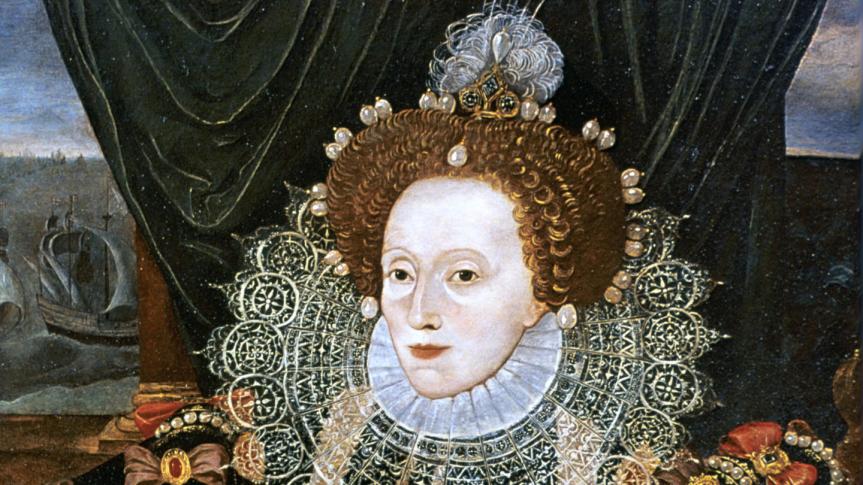
Queen Mary I, the monarch of England and Ireland since 1553, dies and is succeeded by her 25-year-old half-sister, Elizabeth. The two half-sisters, both daughters of King Henry VIII, had a stormy relationship during Mary’s five-year reign. Mary, who was brought up as a Catholic, enacted pro-Catholic legislation and made efforts to restore the pope to supremacy … Continue reading November 17, 1558 – Elizabethan Age begins
November 16, 1532 – Francisco Pizarro traps Incan emperor Atahualpa

On November 16, 1532, Francisco Pizarro, the Spanish explorer and conquistador, springs a trap on the Incan emperor, Atahualpa. With fewer than 200 men against several thousand, Pizarro lures Atahualpa to a feast in the emperor’s honor and then opens fire on the unarmed Incans. Pizarro’s men massacre the Incans and capture Atahualpa, forcing him to … Continue reading November 16, 1532 – Francisco Pizarro traps Incan emperor Atahualpa
November 15, 1867 – First stock ticker debuts

On November 15, 1867, the first stock ticker is unveiled in New York City. The advent of the ticker ultimately revolutionized the stock market by making up-to-the-minute prices available to investors around the country. Prior to this development, information from the New York Stock Exchange, which has been around since 1792, traveled by mail or messenger. … Continue reading November 15, 1867 – First stock ticker debuts
November 14, 1851 – Herman Melville publishes Moby Dick
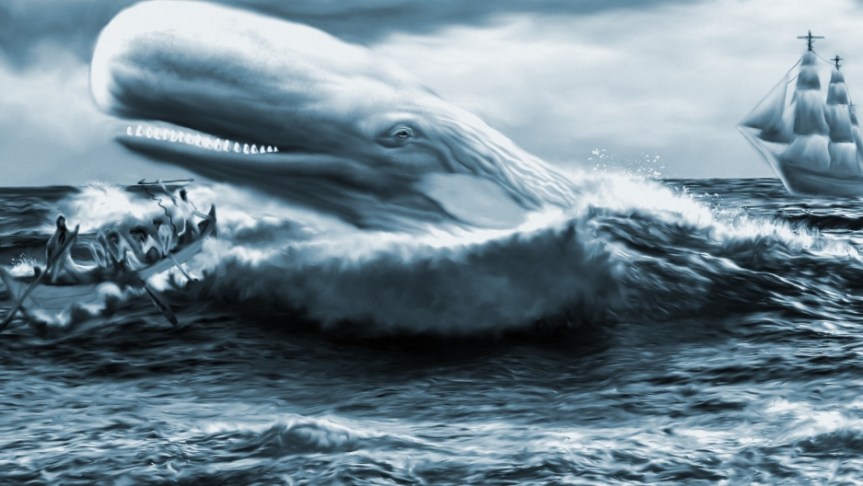
Moby-Dick is now considered a great classic of American literature and contains one of the most famous opening lines in fiction: “Call me Ishmael.” Initially, though, the book about Captain Ahab and his quest to catch a giant white whale was a flop. Its author, Herman Melville was born in New York City in 1819. As a young man, he … Continue reading November 14, 1851 – Herman Melville publishes Moby Dick
November 13, 1982 – Vietnam Veterans Memorial Dedicated in US
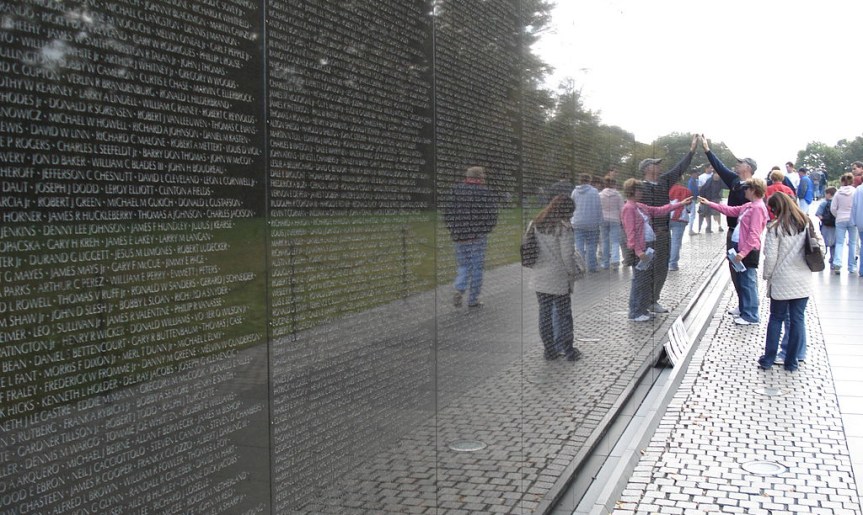
Near the end of a weeklong national salute to Americans who served in the Vietnam War, the Vietnam Veterans Memorial is dedicated in Washington, D.C. after a march to its site by thousands of veterans of the conflict. The long-awaited memorial was a simple V-shaped black-granite wall inscribed with the names of the 57,939 Americans who died in … Continue reading November 13, 1982 – Vietnam Veterans Memorial Dedicated in US
Australia risks losing specialist teachers in English, maths, history and other subjects
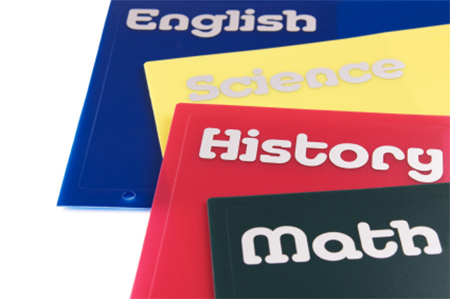
The focus on generic skills in Australia's new national curriculum risks breeding a profession of general-capabilities educators rather than teachers of specialist subjects such as history, English or maths. Former president of the national History Teachers Association Paul Kiem - who has written about school history in a collection of essays, Australian History Now, launched … Continue reading Australia risks losing specialist teachers in English, maths, history and other subjects
Former Prime Minister praises contributions of immigrants to Australia

As Julia Gillard talks tough on foreign workers, Kevin Rudd has praised the contribution of successive generations of migrants to building the nation. Speaking to an infrastructure conference in Melbourne today, Mr Rudd said Australia would not have become the world's 12th largest economy if not for the contribution of migrants. “Our natural birth rate … Continue reading Former Prime Minister praises contributions of immigrants to Australia
December 31 1999 Panama Canal handover
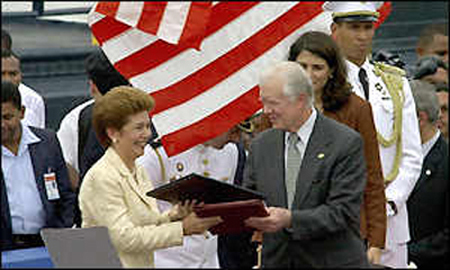
On December 31st 1999, the United States, in accordance with the Torrijos-Carter Treaties, officially handed over control of the Panama Canal, putting the strategic waterway into Panamanian hands for the first time. Crowds of Panamanians celebrated the transfer of the 50-mile canal, which links the Atlantic and Pacific oceans and officially opened when the SS … Continue reading December 31 1999 Panama Canal handover
December 30 2006 Saddam Hussein executed
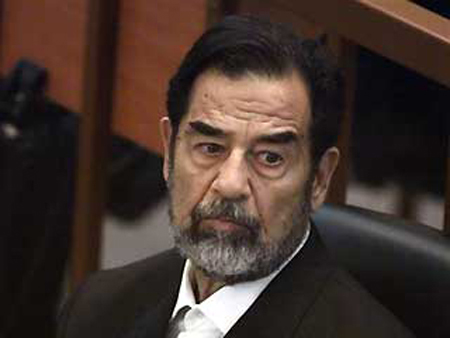
On December 30th 2006, fallen dictator Saddam Hussein was hanged at dawn, a dramatic end for a leader who ruled Iraq by fear for three decades before a U.S. invasion toppled him. He was then convicted of crimes against humanity. As day broke on one of the holiest days of the Muslim year and the … Continue reading December 30 2006 Saddam Hussein executed
December 29 1890 US Army massacres Indians at Wounded Knee
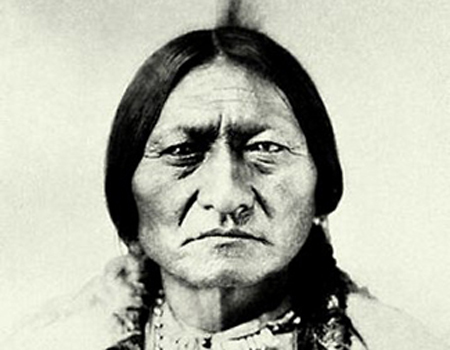
On December 29th 1890, in the final chapter of America's long Indian wars, the U.S. Cavalry killed 146 Sioux at Wounded Knee, on the Pine Ridge reservation in South Dakota. Throughout 1890, the U.S. government worried about the increasing influence at Pine Ridge of the Ghost Dance spiritual movement, which taught that Indians had been … Continue reading December 29 1890 US Army massacres Indians at Wounded Knee
December 28 1895 First commercial movie screened in Paris

On December 28th 1895, the world's first commercial movie screening took place at the Grand Cafe in Paris. The film was made by Louis and Auguste Lumiere, two French brothers who developed a camera-projector called the Cinematographe. The Lumiere brothers unveiled their invention to the public in March 1895 with a brief film showing workers … Continue reading December 28 1895 First commercial movie screened in Paris
December 27 1932 Radio City Music Hall opens

On December 27th 1932, at the height of the Great Depression, thousands turned out for the opening of Radio City Music Hall, a magnificent Art Deco theatre in New York City. Radio City Music Hall was designed as a palace for the people, a place of beauty where ordinary people could see high-quality entertainment. Since … Continue reading December 27 1932 Radio City Music Hall opens
December 26 1946 Bugsy Siegel opens Flamingo Hotel
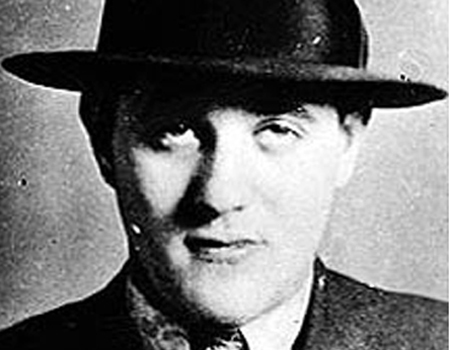
On December 26th 1946, in Las Vegas, Nevada, mobster Benjamin "Bugsy" Siegel opens The Pink Flamingo Hotel & Casino at a total cost of $6 million. The 40-acre facility wasn’t complete and Siegel was hoping to raise some revenue with the grand opening. Well-known singer and comedian Jimmy Durante headlined the entertainment, with music by … Continue reading December 26 1946 Bugsy Siegel opens Flamingo Hotel
December 25 1914 Christmas Truce
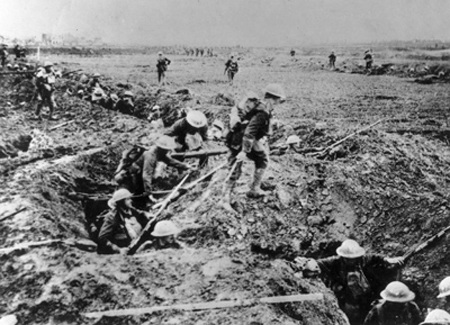
On December 25th 1914, just after midnight on Christmas morning, the majority of German troops engaged in World War I ceased firing their guns and artillery and commenced to sing Christmas carols. At certain points along the eastern and western fronts, the soldiers of Russia, France, and Britain even heard brass bands joining the Germans … Continue reading December 25 1914 Christmas Truce
December 24 1979 Soviet tanks enter Afghanistan
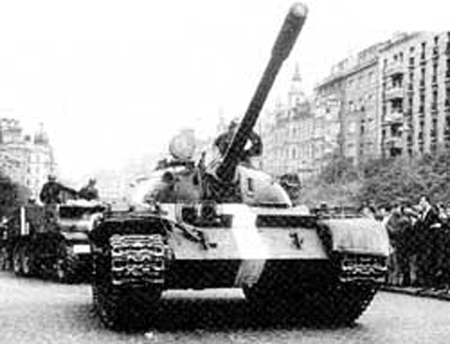
On December 24th 1979, the Soviet Union invaded Afghanistan, under the pretext of upholding the Soviet-Afghan Friendship Treaty of 1978. As midnight approached, the Soviets organised a massive military airlift into Kabul, involving an estimated 280 transport aircraft and three divisions of almost 8,500 men each. Within a few days, the Soviets had secured Kabul, … Continue reading December 24 1979 Soviet tanks enter Afghanistan
December 23 1888 Vincent Van Gogh cuts off his ear

On December 23rd 1888, in what has become known as one of the more bizarre acts by artists (a feat hard to achieve), acclaimed 19th century artist Vincent Van Gogh cut off the lower part of his ear. The act was by no means a form of art, though given postmodern art this would not … Continue reading December 23 1888 Vincent Van Gogh cuts off his ear
December 22 1989 Nicolae Ceausescu’s dictatorship in Romania ends
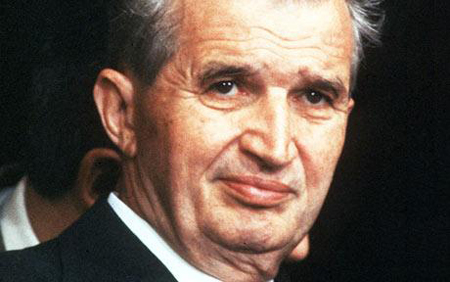
On December 22nd 1989, Nicolae Ceaucescu’s dictatorship in Romania ended, after politician Ion Iliescu became the new President. It was also the official end of Communism within Romania, after 42 years of Communist rule under leaders Gheorghe Gheorghiu-Dej and Nicolae Ceausescu. While Gheorghiu-Dej is often condemned as a neo-Stalinist ruler, despite his attempts to abandon … Continue reading December 22 1989 Nicolae Ceausescu’s dictatorship in Romania ends
December 21 69 Coronation of Roman Emperor Vespasian

On December 21st 69 the coronation of Titus Flavius Vespasianus took place. He was the first Roman Emperor to ascend the throne in relative peace following the demise of the Julio-Claudian Dynasty and the disastrous reign of Nero. The year 69 AD was known in Roman history as the year of the Four Emperors. Nero's … Continue reading December 21 69 Coronation of Roman Emperor Vespasian
December 20 1917 Creation of Russia’s Cheka security service
On December 20th 1917, the first Soviet security organisation, Cheka, was founded. While the KGB is the stereotypical Soviet secret police in modern society, the Cheka were the first of its kind, created by Lenin in 1917 in order to stabilise Russian society after the Bolshevik Revolution and the dismantling of the Russian monarchy. Cheka's … Continue reading December 20 1917 Creation of Russia’s Cheka security service
December 19 1984 Britain and China sign Hong Kong return agreement

On December 19th 1984, in the Hall of the People in Beijing, British Prime Minister Margaret Thatcher and Chinese Premier Zhao Ziyang signed an accord committing Britain to give Hong Kong back to China in 1997. In return, China incorporated terms pledging a 50 year continuation of Britain’s capitalist system. Hong Kong, a small peninsula … Continue reading December 19 1984 Britain and China sign Hong Kong return agreement
 Craig Hill