
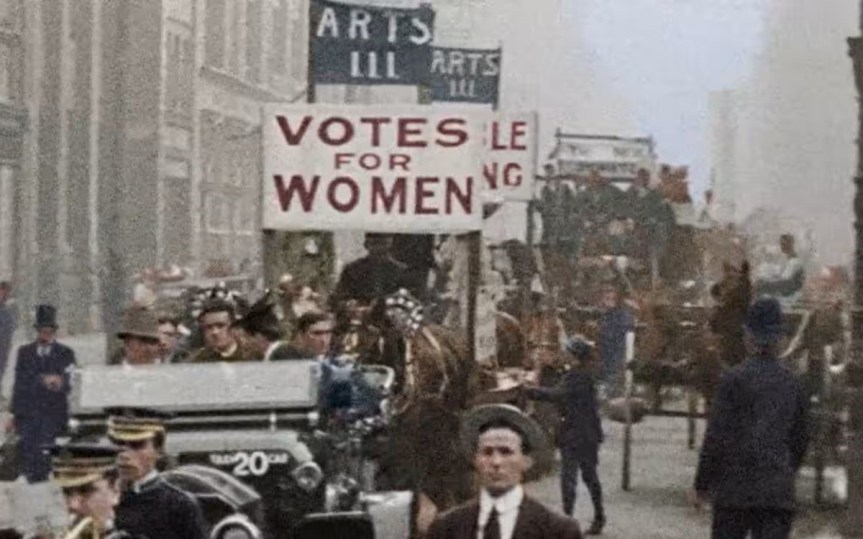
Women in South Australia gained the right to vote in 1894, and voted for the first time in the election of 1896. It is generally recognised that this right occurred with the passing of a Bill on 18 December 1894. However, a letter from the Attorney-General advising Governor Kintore that Royal Assent would be required … Continue reading December 18, 1894 – Women in South Australia unofficially gain the right to vote
Tag: History
December 18, 1865 – Slavery abolished in America with adoption of 13th Amendment
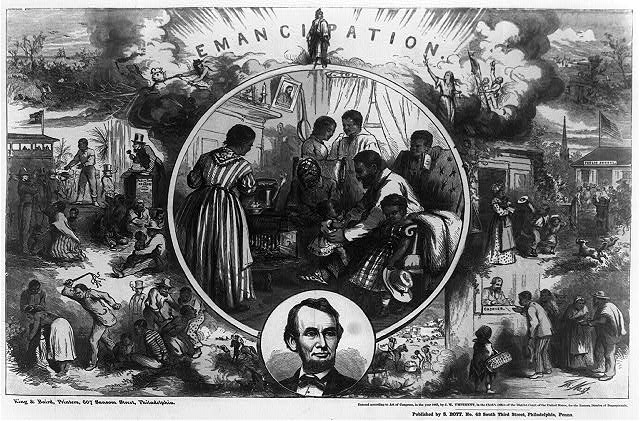
Following its ratification by the requisite three-quarters of the states earlier in the month, the 13th Amendment is formally adopted into the U.S. Constitution, ensuring that “neither slavery nor involuntary servitude… shall exist within the United States, or any place subject to their jurisdiction.” Before the American Civil War, Abraham Lincoln and other leaders of the anti-slavery Republican Party sought not to … Continue reading December 18, 1865 – Slavery abolished in America with adoption of 13th Amendment
December 17, 1967 – Australian Prime Minister Harold Holt goes missing whilst swimming at Portsea, Victoria
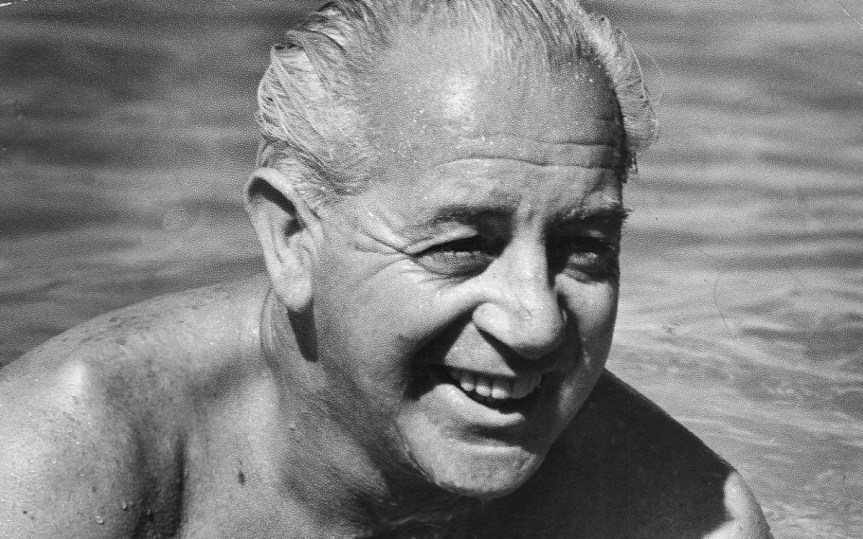
Harold Edward Holt was born in Sydney on 5 August 1908. After studying law at the University of Melbourne, he practised as a solicitor before being elected to Federal Parliament in 1936. After a thirty-year career in politics, he became Prime Minister following the retirement of Sir Robert Menzies in January 1966. Holt's time as … Continue reading December 17, 1967 – Australian Prime Minister Harold Holt goes missing whilst swimming at Portsea, Victoria
December 16, 1860 – Burke and Wills make the fateful decision to push on to the Gulf from Cooper Creek

Robert O'Hara Burke and William Wills led the expedition that was intended to bring fame and prestige to Victoria: being the first Europeans to cross Australia from south to north and back again. They set out on Monday, 20 August 1860, leaving from Royal Park, Melbourne, and farewelled by around 15,000 people. The exploration party … Continue reading December 16, 1860 – Burke and Wills make the fateful decision to push on to the Gulf from Cooper Creek
December 16, 1773 – The Boston Tea Party
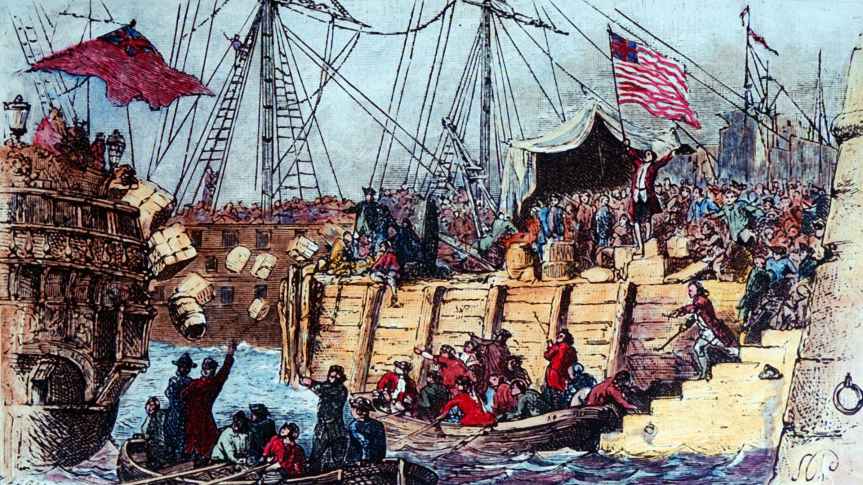
In Boston Harbor, a group of Massachusetts colonists disguised as Mohawk Indians boarded three British tea ships and dumped 342 chests of tea into the harbor. The midnight raid, popularly known as the “Boston Tea Party,” was in protest of the British Parliament’s Tea Act of 1773, a bill designed to save the faltering East India Company by … Continue reading December 16, 1773 – The Boston Tea Party
December 15, 2014 – Sydney, Australia, is gripped by a siege that lasts almost 17 hours and leaves three dead
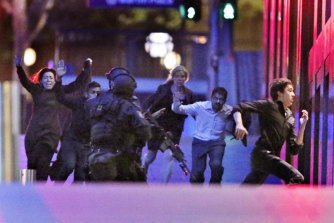
Martin Place in the Sydney CBD is a popular plaza for both workers and visitors. It incorporates a range of commercial and retail businesses, as well as an amphitheatre utilised for corporate and community events, and is usually a bustling thoroughfare. On the morning of 15 December 2014, this peaceful and previously safe venue became … Continue reading December 15, 2014 – Sydney, Australia, is gripped by a siege that lasts almost 17 hours and leaves three dead
December 14, 1840 – Governor Gipps appoints the first Government Printer

In the first two decades of British settlement in Australia, all government notices were printed on a portable wooden and iron printing press that had come to New South Wales on the First Fleet in 1788. There were no experienced printers among the convicts until the convict transport ship "The Royal Admiral" brought George Howe … Continue reading December 14, 1840 – Governor Gipps appoints the first Government Printer
December 14, 1503 – Physician, philosopher and seer, Nostradamus, is born
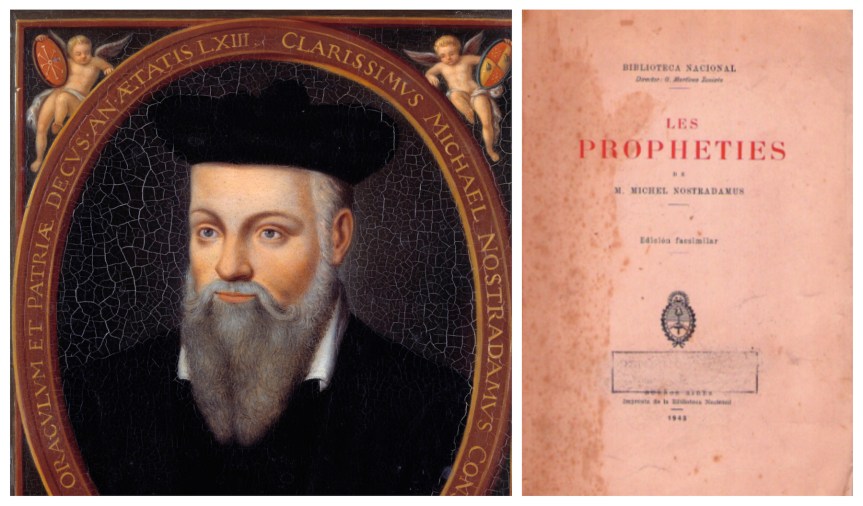
Michel de Nostredame, more commonly known as Nostradamus, was born on 14 December 1503, although some reports say he was born one week later. He was a well-educated man, studying mathematics, philosophy, astrology and medicine. Using his skills in astrology, Nostradamus wrote a series of books, consisting of "quatrains", which were purported to be prophecies … Continue reading December 14, 1503 – Physician, philosopher and seer, Nostradamus, is born
December 13, 1955 – Australian housewife “superstar”, Dame Edna Everage, makes her stage debut

Dame Edna Everage is the brainchild and ostentatious alter-ego of Australian actor Barry Humphries. The Moonee Ponds housewife, originally created as a parody of Australian suburban insularity, has developed from her earlier dowdiness to become a satire of stardom, the gaudily dressed, ostentatious, international Housewife Gigastar with outrageous glasses. Barry Humphries was born on 17 … Continue reading December 13, 1955 – Australian housewife “superstar”, Dame Edna Everage, makes her stage debut
December 13, 1925 – Dick Van Dyke, American actor, singer, and dancer was born
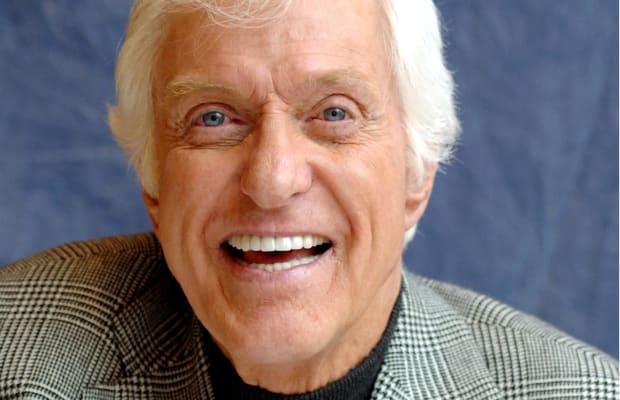
Richard Wayne Van Dyke was born on December 13, 1925 in West Plains, Missouri. He went on to become an actor, comedian, writer, singer, and dancer, whose award-winning career has spanned seven decades. He grew up in Danville, Illinois. His family line traces back to Mayflower passenger John Alden.He is the older brother of actor Gerry Van Dyke. His … Continue reading December 13, 1925 – Dick Van Dyke, American actor, singer, and dancer was born
December 12, 1882 – Australia’s worst gold mining disaster, to date, occurs in Creswick, Victoria
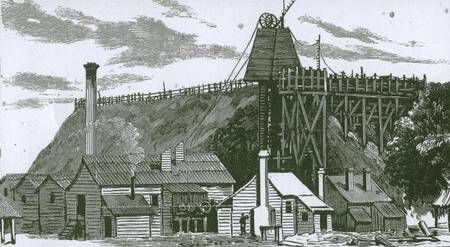
Creswick is a small town located in the heart of the central goldfields in Victoria, Australia. The town, which currently has a population of just over 3 000, was born after squatters Charles, John and Henry Creswick ran sheep in the area which became known as Creswick’s Creek in 1842. The discovery of gold in … Continue reading December 12, 1882 – Australia’s worst gold mining disaster, to date, occurs in Creswick, Victoria
December 12, 1953 – Charles (Chuck) Yeager becomes the first person to travel two and a half times the speed of sound
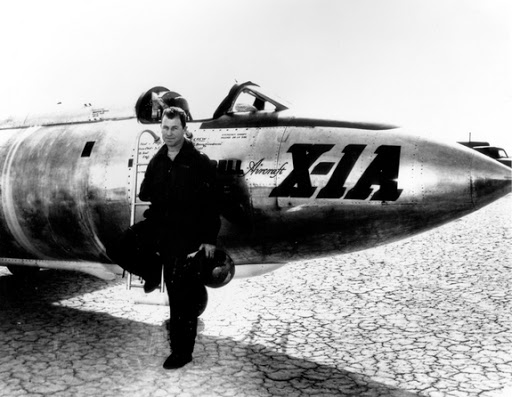
Charles Elwood "Chuck" Yeager was born on 13 February 1923 in Myra, West Virginia. After joining the army at age 16 and training as an aircraft mechanic, he was then selected for flight training. His service record during WWII was impeccable, becoming an "ace-in-a-day" after shooting down five enemy aircraft in a single mission. Yeager … Continue reading December 12, 1953 – Charles (Chuck) Yeager becomes the first person to travel two and a half times the speed of sound
December 11, 1931 – The Statute of Westminster gives complete legislative independence to countries of the British Commonwealth
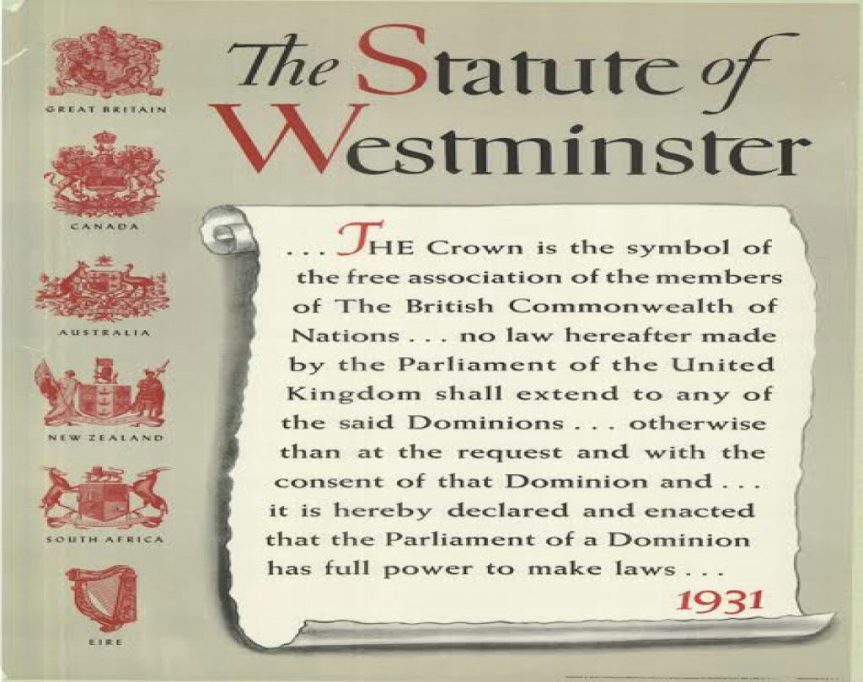
Whilst the Constitution of the Commonwealth of Australia came into effect on 1 January 1901, this did not mean that Australia had achieved independence from Britain. Under colonial federation approved by the United Kingdom, the six self-governing states of Australia merely allocated some functions to a federal authority. Australia was given the status of a … Continue reading December 11, 1931 – The Statute of Westminster gives complete legislative independence to countries of the British Commonwealth
December 10, 1859 – Today is Proclamation Day, marking Queensland’s official separation from New South Wales
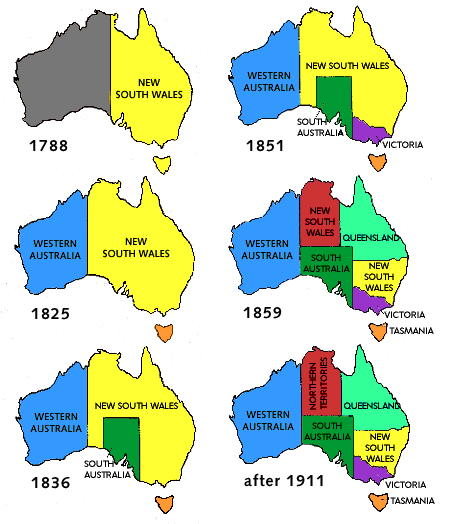
When the First Fleet arrived in Australia in 1788, the entire eastern half of Australia came under the name of New South Wales. The colony of Van Diemen's Land (later Tasmania) was established in 1825, and Victoria (Port Phillip District) separated from New South Wales in 1851. The first settlement in what is now Queensland … Continue reading December 10, 1859 – Today is Proclamation Day, marking Queensland’s official separation from New South Wales
December 10, 1901 – First Nobel Prizes awarded
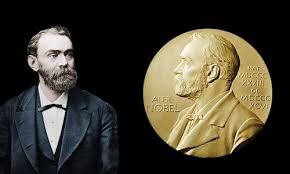
The first Nobel Prizes are awarded in Stockholm, Sweden, in the fields of physics, chemistry, medicine, literature and peace. The ceremony came on the fifth anniversary of the death of Alfred Nobel, the Swedish inventor of dynamite and other high explosives. In his will, Nobel directed that the bulk of his vast fortune be placed … Continue reading December 10, 1901 – First Nobel Prizes awarded
December 9, 1993 – The first on-orbit service and repair mission to the Hubble Space Telescope takes place

The Hubble Space Telescope was launched on 24 April 1990, by the Space Shuttle Discovery from the Kennedy Space Centre in Florida. The telescope was the product of a cooperative project between the National Aeronautics and Space Administration (NASA) and the European Space Agency (ESA). After launch, it was decided that on-orbit servicing every three … Continue reading December 9, 1993 – The first on-orbit service and repair mission to the Hubble Space Telescope takes place
December 8, 1801 – Matthew Flinders explores and charts King George’s Sound (later Albany) in Western Australia

Matthew Flinders was born in Lincolnshire, England, in 1774. Flinders and George Bass did much sea exploration around Australia, adding to the knowledge of the coastline, and producing accurate maps. As well as being the first to circumnavigate Australia, Flinders, together with Bass, was the first to prove that Van Diemen's Land, or Tasmania, was … Continue reading December 8, 1801 – Matthew Flinders explores and charts King George’s Sound (later Albany) in Western Australia
December 8, 1980 – John Lennon shot dead in New York City
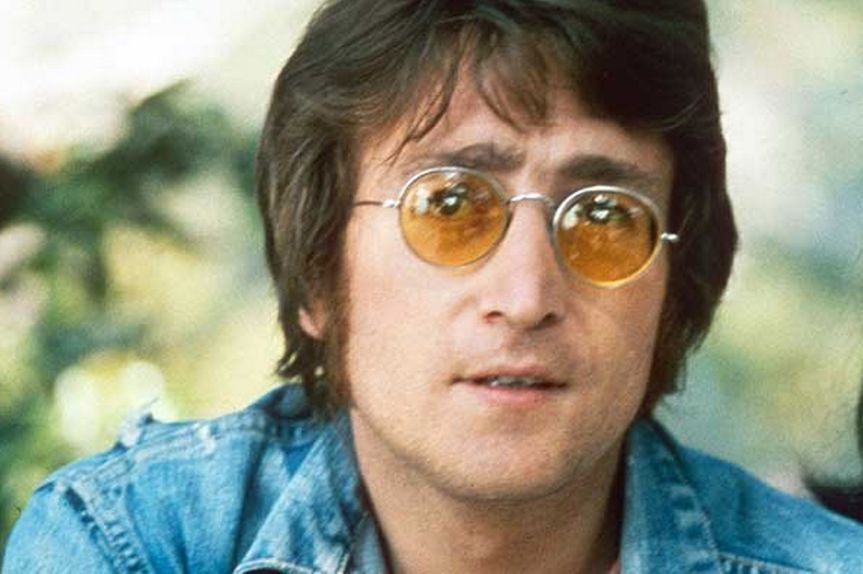
John Lennon, a former member of the Beatles, the rock group that transformed popular music in the 1960s, was shot and killed by an obsessed fan in New York City. The 40-year-old artist was entering his luxury Manhattan apartment building when Mark David Chapman shot him four times at close range with a .38-caliber revolver. Lennon, bleeding profusely, … Continue reading December 8, 1980 – John Lennon shot dead in New York City
December 7, 1846 – Ludwig Leichhardt departs Jimbour Station on his second but unsuccessful expedition
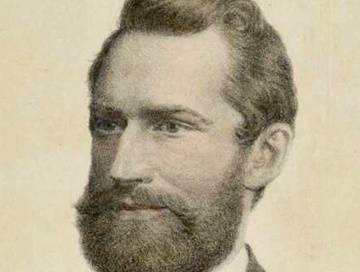
Ludwig Leichhardt was born in Prussia and studied in Germany. He was a passionate botanist who had an interest in exploration, although he lacked necessary bush survival skills. In October 1844, he left from Jimbour Station on the Darling Downs on an expedition to find a new route to Port Essington, near Darwin. The trip … Continue reading December 7, 1846 – Ludwig Leichhardt departs Jimbour Station on his second but unsuccessful expedition
December 7, 1941 – Pearl Harbor bombed
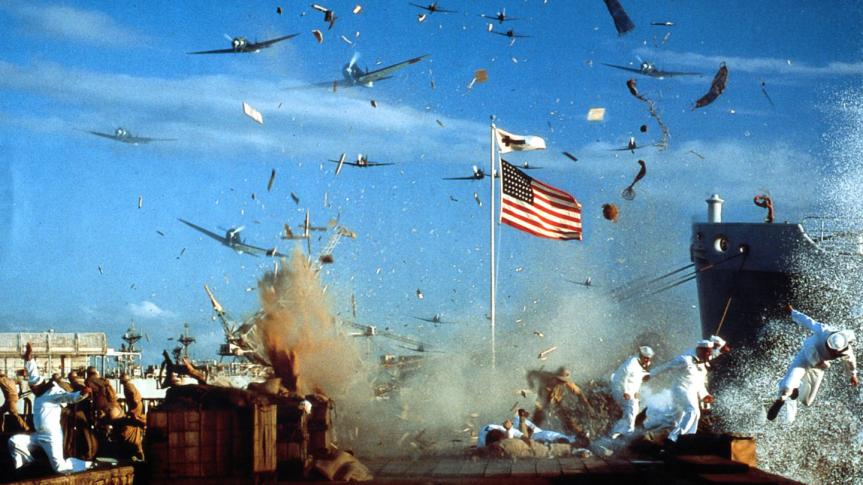
At 7:55 a.m. Hawaii time, a Japanese dive bomber bearing the red symbol of the Rising Sun of Japan on its wings appears out of the clouds above the island of Oahu. A swarm of 360 Japanese warplanes followed, descending on the U.S. naval base at Pearl Harbor in a ferocious assault. The surprise attack struck a critical blow … Continue reading December 7, 1941 – Pearl Harbor bombed
December 6, 1784 – Transportation of convicts from England to Australia is first authorised
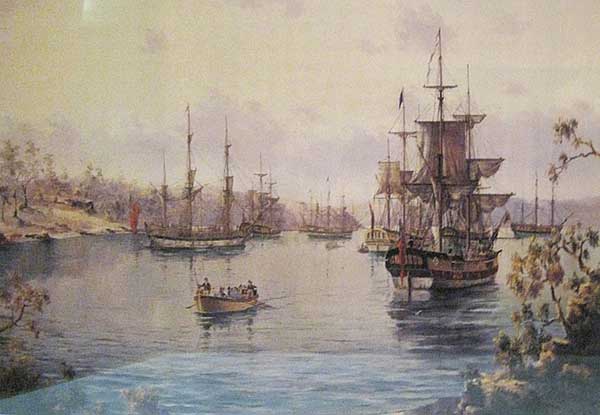
Conditions in England in the 18th century were tough: the industrial revolution had removed many people's opportunities to earn an honest wage as simpler tasks were replaced by machine labour. As unemployment rose, so did crime, especially the theft of basic necessities such as food and clothing. The British prison system was soon full to … Continue reading December 6, 1784 – Transportation of convicts from England to Australia is first authorised
December 6, 1907 – 361 miners are killed in the US’s worst coal mining disaster
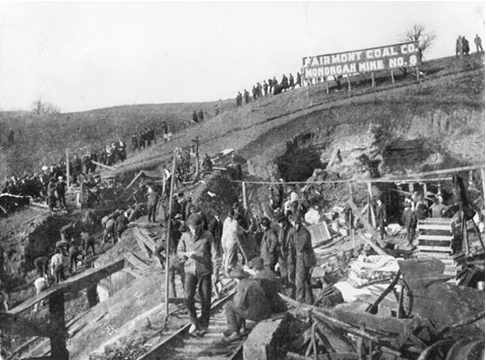
West Virginia, USA, once had the reputation for the highest mine death rate of any of the states. Large scale coal operations began in Marion County, WV, in the 1880s. Between 1890 and 1912, regulation of mining conditions in West Virginia was poor, and the state's mining industry saw numerous deadly coal mining accidents. The … Continue reading December 6, 1907 – 361 miners are killed in the US’s worst coal mining disaster
December 5, 2013 – Nelson Mandela, anti-apartheid campaigner and the first democratically-elected President of South Africa, dies.

Nelson Rolihlahla Mandela was born on 18 July 1918. Rolihlahla Mandela was seven years old when he became the first member of his family to attend school: it was there that he was given the English name "Nelson" by a Methodist teacher.In his university days, Mandela became a political activist against the white minority government's … Continue reading December 5, 2013 – Nelson Mandela, anti-apartheid campaigner and the first democratically-elected President of South Africa, dies.
December 5, 1909 – George Taylor, little-known pioneer in Australian aviation, achieves the first Australian flight of a heavier-than-air machine
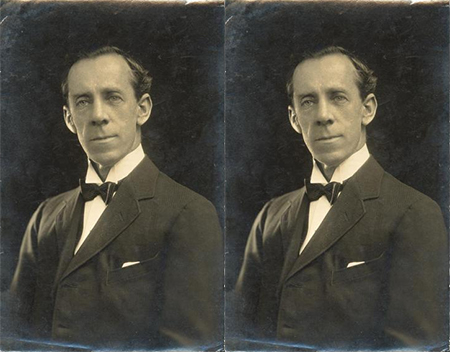
George Augustine Taylor was born in Sydney on 1 August 1872. As a young man, he trained as a builder and then worked as a cartoonist. However, emerging developments in science and technology began to capture his imagination. In 1908, he established a factory for the purpose of building light aircraft. As a student and … Continue reading December 5, 1909 – George Taylor, little-known pioneer in Australian aviation, achieves the first Australian flight of a heavier-than-air machine
December 4, 1872 – The ‘Mary Celeste’ is found abandoned, with its cargo intact, but no sign of its crew or passengers
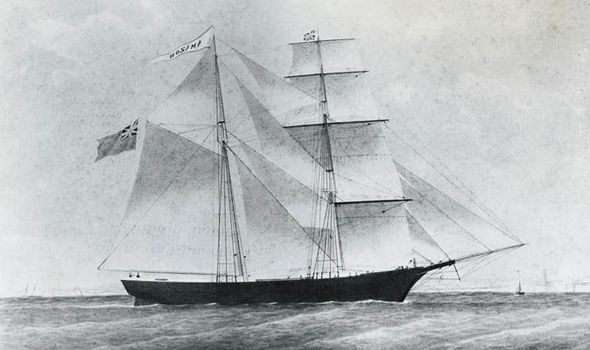
The Mary Celeste was a ship found abandoned off the coast of Portugal in 1872. Originally named 'The Amazon' when it was first built in Nova Scotia in 1861, the 103-foot, 282-ton brigantine was renamed the 'Mary Celeste' in 1869 after changing hands several times. Early in November 1872, the ship set sail from New … Continue reading December 4, 1872 – The ‘Mary Celeste’ is found abandoned, with its cargo intact, but no sign of its crew or passengers
 Craig Hill