
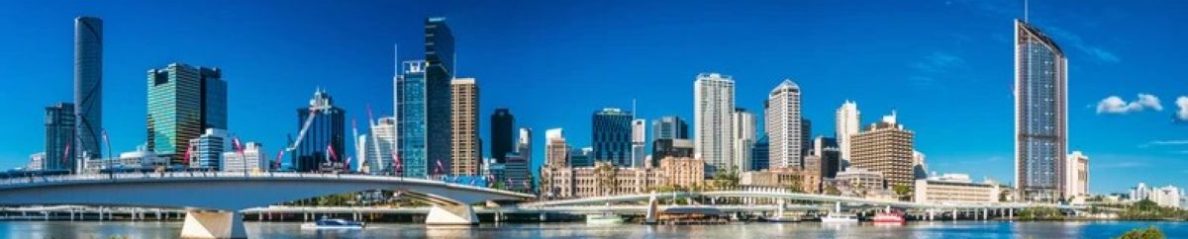
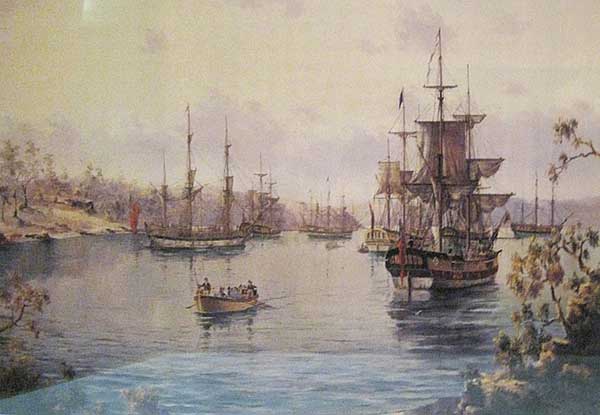
Conditions in England in the 18th century were tough: the industrial revolution had removed many people's opportunities to earn an honest wage as simpler tasks were replaced by machine labour. As unemployment rose, so did crime, especially the theft of basic necessities such as food and clothing. The British prison system was soon full to … Continue reading December 6, 1784 – Transportation of convicts from England to Australia is first authorised
December 6, 1907 – 361 miners are killed in the US’s worst coal mining disaster
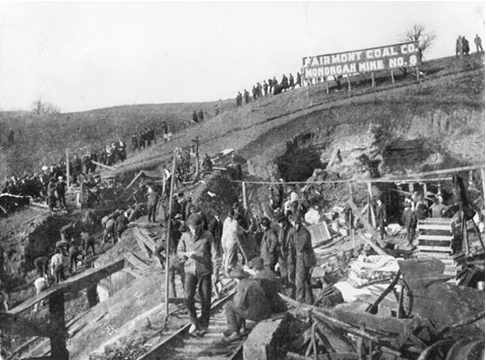
West Virginia, USA, once had the reputation for the highest mine death rate of any of the states. Large scale coal operations began in Marion County, WV, in the 1880s. Between 1890 and 1912, regulation of mining conditions in West Virginia was poor, and the state's mining industry saw numerous deadly coal mining accidents. The … Continue reading December 6, 1907 – 361 miners are killed in the US’s worst coal mining disaster
December 5, 2013 – Nelson Mandela, anti-apartheid campaigner and the first democratically-elected President of South Africa, dies.

Nelson Rolihlahla Mandela was born on 18 July 1918. Rolihlahla Mandela was seven years old when he became the first member of his family to attend school: it was there that he was given the English name "Nelson" by a Methodist teacher.In his university days, Mandela became a political activist against the white minority government's … Continue reading December 5, 2013 – Nelson Mandela, anti-apartheid campaigner and the first democratically-elected President of South Africa, dies.
December 5, 1909 – George Taylor, little-known pioneer in Australian aviation, achieves the first Australian flight of a heavier-than-air machine
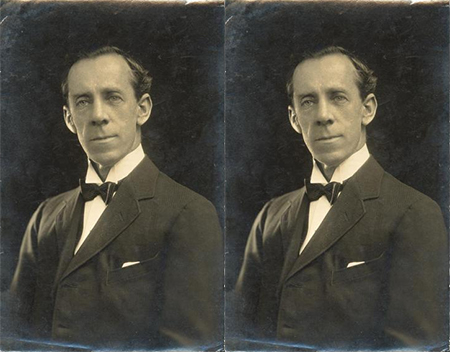
George Augustine Taylor was born in Sydney on 1 August 1872. As a young man, he trained as a builder and then worked as a cartoonist. However, emerging developments in science and technology began to capture his imagination. In 1908, he established a factory for the purpose of building light aircraft. As a student and … Continue reading December 5, 1909 – George Taylor, little-known pioneer in Australian aviation, achieves the first Australian flight of a heavier-than-air machine
December 4, 1956 – Australian swimmer Murray Rose sets world record 4:27.3 to claim the 400m gold medal at the Melbourne Olympics
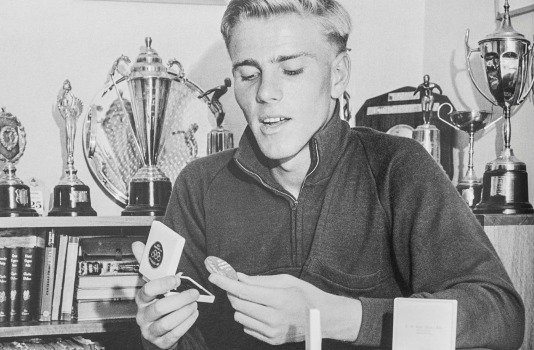
At age 17 Murray Rose became the youngest Olympian to win three gold medals during one Olympics. At the 1956 Games in Melbourne, Australia, Rose set an Olympic record in the 400-metre freestyle, won the 1,500-metre freestyle, and was a member of the world-record-breaking 4 × 200-metre relay team. At the 1960 Olympic Games in Rome, he set another record … Continue reading December 4, 1956 – Australian swimmer Murray Rose sets world record 4:27.3 to claim the 400m gold medal at the Melbourne Olympics
December 4, 1872 – The ‘Mary Celeste’ is found abandoned, with its cargo intact, but no sign of its crew or passengers
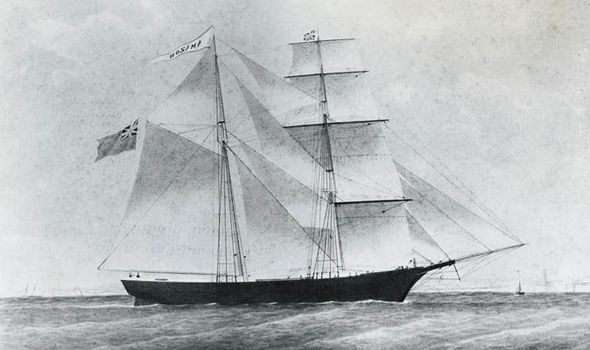
The Mary Celeste was a ship found abandoned off the coast of Portugal in 1872. Originally named 'The Amazon' when it was first built in Nova Scotia in 1861, the 103-foot, 282-ton brigantine was renamed the 'Mary Celeste' in 1869 after changing hands several times. Early in November 1872, the ship set sail from New … Continue reading December 4, 1872 – The ‘Mary Celeste’ is found abandoned, with its cargo intact, but no sign of its crew or passengers
December 3, 1854 – The Battle of the Eureka Stockade is held near Ballarat, Victoria
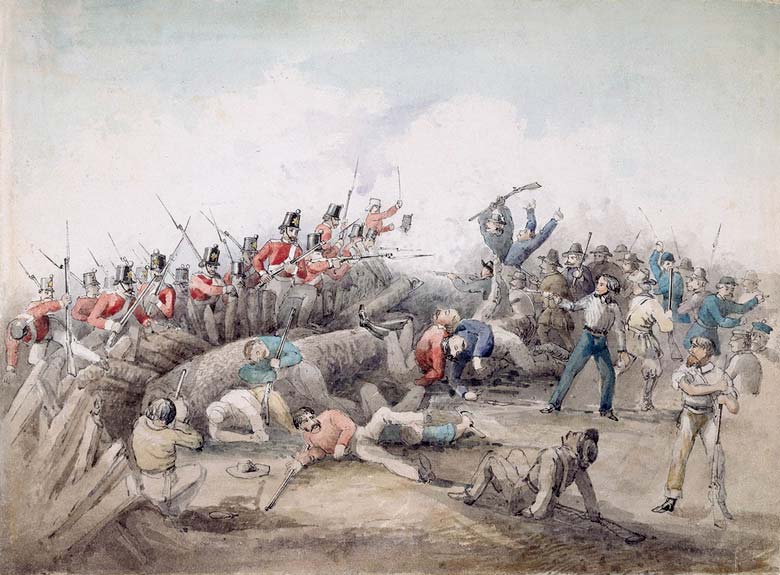
The Eureka Stockade was the rebellion initiated by the diggers on the Ballarat, Victoria goldfields in 1854. Conditions on the Australian goldfields were particularly harsh. The main source of discontent was the expensive miner's licence. It cost 30 shillings every month and permitted the holder to work a 3.6 metre square "claim". Licences had to … Continue reading December 3, 1854 – The Battle of the Eureka Stockade is held near Ballarat, Victoria
December 3, 1971 – Pakistan invades India as a result of the Bangladeshi struggle for freedom
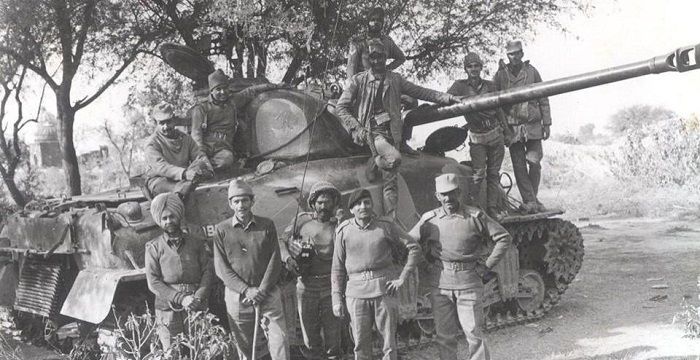
The British Empire once stretched into almost every continent on Earth. In 1947, Britain dismantled its Indian empire and partitioned the sub-continent, resulting in an eruption of tensions between India and Pakistan. Pakistan itself was divided by civil war after its 1970 election saw the East Pakistani Awami League party win 167 of 169 seats … Continue reading December 3, 1971 – Pakistan invades India as a result of the Bangladeshi struggle for freedom
December 2, 1911 – Douglas Mawson departs Hobart to commence his Antarctic exploration
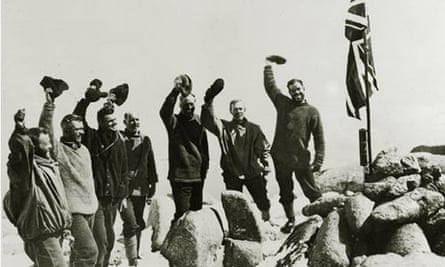
Australian Antarctic explorer, Douglas Mawson, was born on 5 May 1882, in Yorkshire, but his family emigrated to Australia in 1884. He studied geology at Sydney University, and was appointed geologist to an expedition to the New Hebrides in 1903. After this, he returned to Australia to become a lecturer in petrology and mineralogy at … Continue reading December 2, 1911 – Douglas Mawson departs Hobart to commence his Antarctic exploration
December 2, 1804 – Napoleon Bonaparte crowns himself Emperor of France

Napoléon Bonaparte was born Napoleone Buonaparte in Ajaccio, Corsica, on 15 August 1769. His father, Carlo Buonaparte, was an attorney and Corsica's representative to the court of Louis XVI of France in 1778, so Napoleon later adopted a more French form of his name. He began his military career at the age of 16, and … Continue reading December 2, 1804 – Napoleon Bonaparte crowns himself Emperor of France
December 1, 1876 – Aboriginal stockman Sam Isaacs and teenager Grace Bussell rescue about 40 people from a stricken steamship off Western Australia
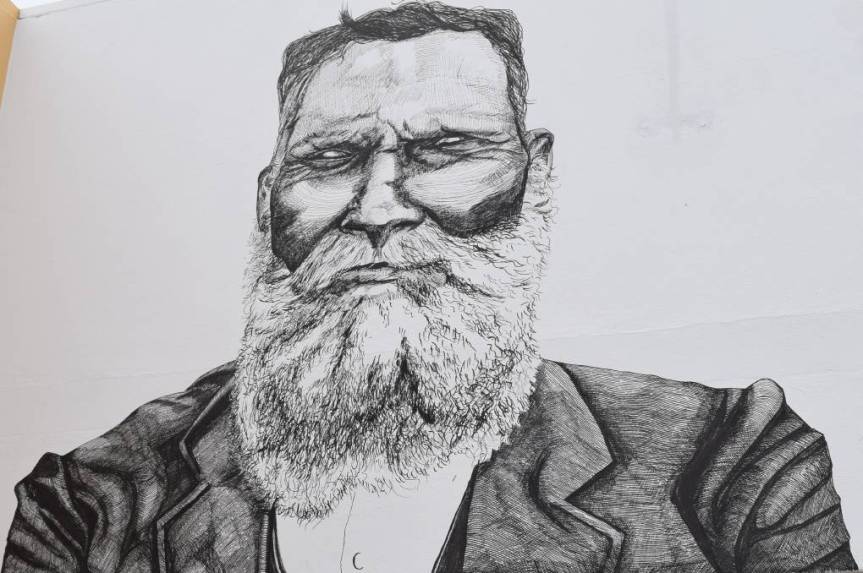
The SS Georgette was a steamship built in 1872, which was sold in England to Western Australia, and used as a coastal trading and passenger service between Fremantle, Albany and Champion Bay. On 1 December 1876, the Georgette sprang a leak 32km out to sea, whilst carrying fifty passengers and a cargo of jarrah wood. … Continue reading December 1, 1876 – Aboriginal stockman Sam Isaacs and teenager Grace Bussell rescue about 40 people from a stricken steamship off Western Australia
December 1, 1955 – Rosa Parks refuses to give up her seat to a white man
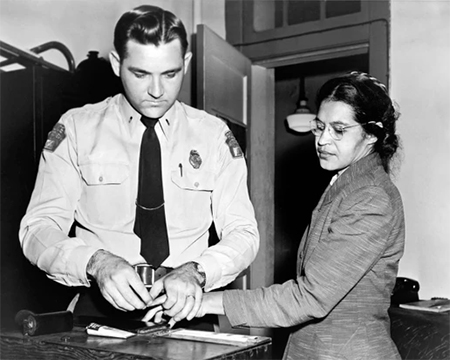
Rosa Parks' stand off with an Alabama bus driver in 1955 turned into a wider movement that fought against segregation and inequality. African-Americans had wilfully violated the segregation of public transport before Rosa Parks, even in her hometown of Montgomery, Alabama, where 15-year-old Claudette Colvin was arrested nine months earlier for the same crime of … Continue reading December 1, 1955 – Rosa Parks refuses to give up her seat to a white man
November 30, 1928 – Australian cricket icon Donald Bradman makes his Test debut
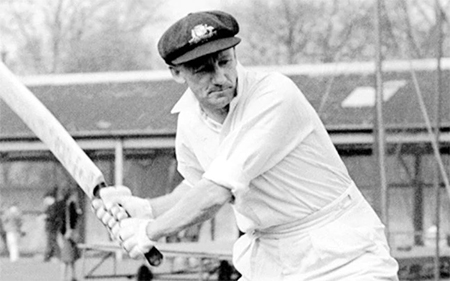
Donald George Bradman was born on 27 August 1908 in Cootamundra, New South Wales, Australia. One of Australia's most popular sporting heroes, he is often regarded as the greatest batsman of all time. The Bradman Museum and Bradman Oval are located in the New South Wales town of Bowral, where Bradman grew up, spending many … Continue reading November 30, 1928 – Australian cricket icon Donald Bradman makes his Test debut
November 30, 1874 – Winston Churchill, British Prime Minister during WWII, is born
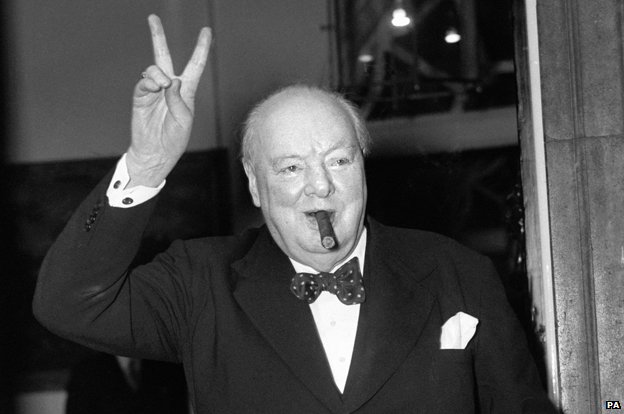
Winston Leonard Spencer Churchill was born on 30 November 1874, at Blenheim Palace in Oxfordshire, England. He served with the British Army in India and Sudan, and became nationally known through his writings when, as a journalist, he was captured in South Africa during the Boer War. Churchill became a member of Parliament in 1900, … Continue reading November 30, 1874 – Winston Churchill, British Prime Minister during WWII, is born
November 29, 1948 – Australian Prime Minister Ben Chifley launches the first mass-produced Australian car, the Holden FX
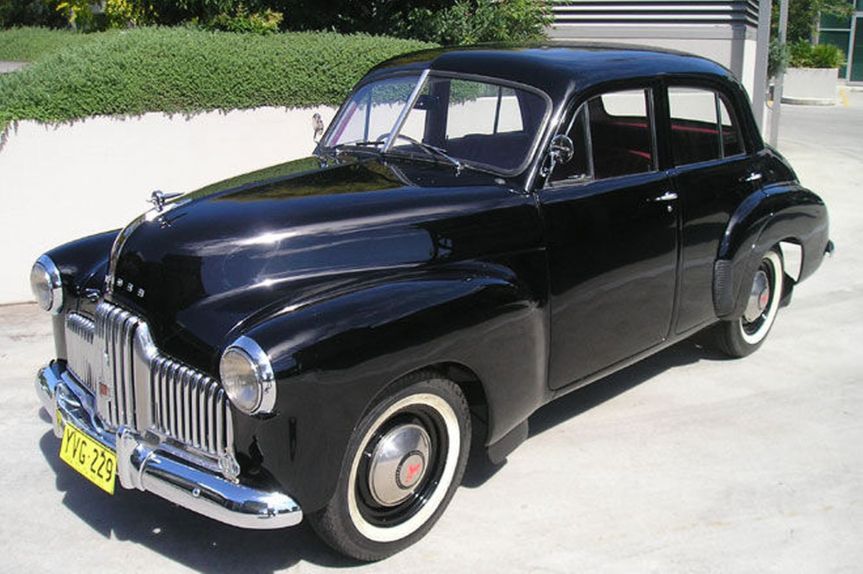
"Made in Australia, For Australia". These are the words spoken by Australian Prime Minister Ben Chifley when he launched the Holden FX on 29 November 1948. The real name of the Holden FX is 48/215. '48 was the year it started production, and 215 indicated a Standard Sedan. The name "FX" originated as an unofficial … Continue reading November 29, 1948 – Australian Prime Minister Ben Chifley launches the first mass-produced Australian car, the Holden FX
November 29, 1947 – U.N. votes for partition of Palestine
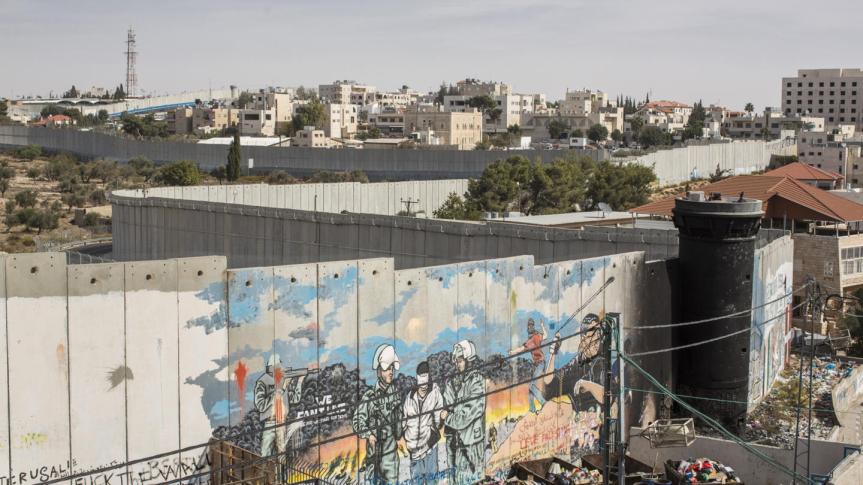
Despite strong Arab opposition, the United Nations votes for the partition of Palestine and the creation of an independent Jewish state. The modern conflict between Jews and Arabs in Palestine dates back to the 1910s, when both groups laid claim to the British-controlled territory. The Jews were Zionists, recent emigrants from Europe and Russia who came to … Continue reading November 29, 1947 – U.N. votes for partition of Palestine
November 28, 1932 – The ‘Dog on the Tuckerbox’ statue at Gundagai is unveiled

The "Dog on the Tuckerbox" is an historical monument situated in southern New South Wales, Australia. Celebrated in Australian folklore, poetry, and song as being either five or nine miles from Gundagai, the Dog on the Tuckerbox sits approximately 5 miles, or eight kilometres, from Gundagai. Gundagai's Dog on the Tuckerbox originated out of an … Continue reading November 28, 1932 – The ‘Dog on the Tuckerbox’ statue at Gundagai is unveiled
November 28, 1520 – Ferdinand Magellan reaches the Pacific

After sailing through the dangerous straits below South America that now bear his name, Portuguese navigator Ferdinand Magellan enters the Pacific Ocean with three ships, becoming the first European explorer to reach the Pacific from the Atlantic. On September 20, 1519, Magellan set sail from Spain in an effort to find a western sea route to the rich Spice … Continue reading November 28, 1520 – Ferdinand Magellan reaches the Pacific
November 27, 1880 – Sir Ralph Freeman, designer of the Sydney Harbour Bridge, is born
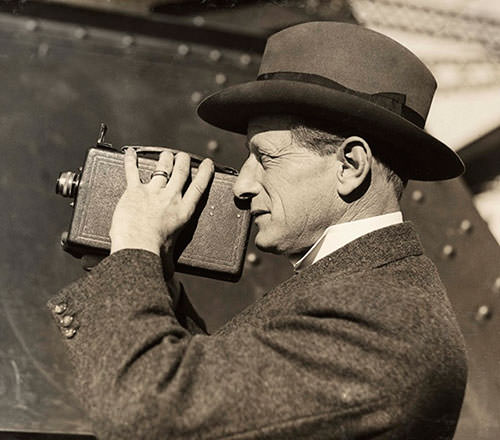
Ralph Freeman was born on 27 November 1880 in London, England. After studying civil engineering at the City and Guilds of London Institute, he joined Douglas Fox & Partners, a firm of consulting engineers specialising in the design of steel bridges. He rose to become senior partner and in 1938 the firm changed its name … Continue reading November 27, 1880 – Sir Ralph Freeman, designer of the Sydney Harbour Bridge, is born
November 27, 1095 – Pope Urban II orders first Crusade

On November 27, 1095, Pope Urban II makes perhaps the most influential speech of the Middle Ages, giving rise to the Crusades by calling all Christians in Europe to war against Muslims in order to reclaim the Holy Land, with a cry of “Deus vult!” or “God wills it!” Born Odo of Lagery in 1042, Urban was a … Continue reading November 27, 1095 – Pope Urban II orders first Crusade
November 26, 1838 – A second trial finds some of the perpetrators of the Myall Creek massacre of Aborigines guilty of murder
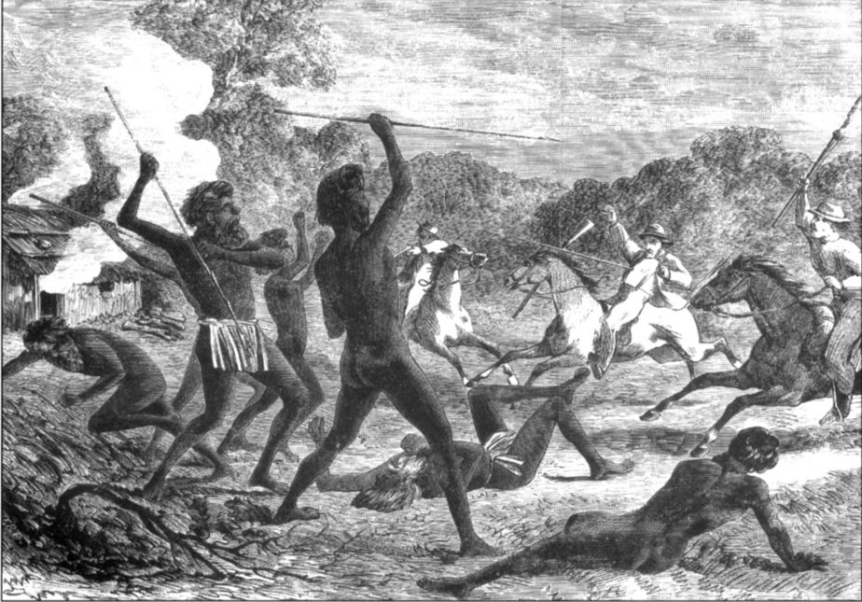
After numerous clashes between European settlers and Aboriginals people in late 1837 in northwest New South Wales, tensions were high. On 10 June 1838, a gang of stockmen, heavily armed, rounded up between 40 and 50 Aboriginal women, children and elderly men at Henry Dangar's Myall Creek Station, not far from Inverell in New South … Continue reading November 26, 1838 – A second trial finds some of the perpetrators of the Myall Creek massacre of Aborigines guilty of murder
November 26, 1941 – President Franklin D. Roosevelt establishes modern Thanksgiving holiday
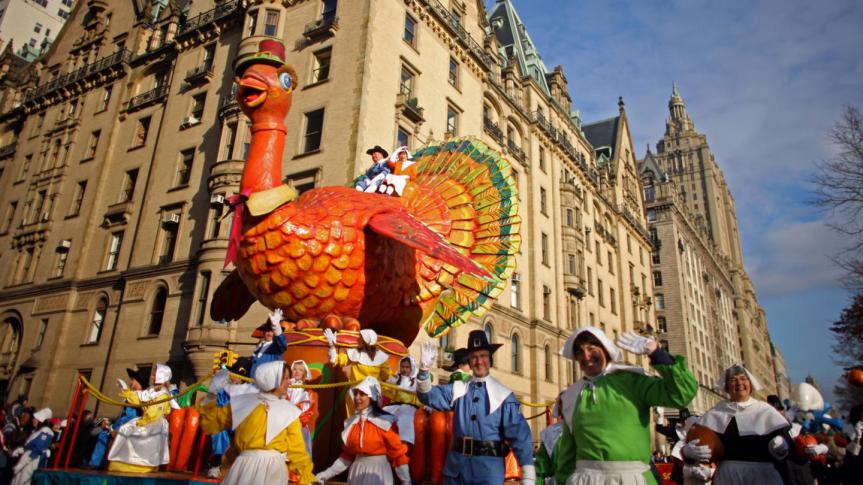
President Franklin D. Roosevelt signs a bill officially establishing the fourth Thursday in November as Thanksgiving Day. The tradition of celebrating the holiday on Thursday dates back to the early history of the Plymouth and Massachusetts Bay colonies, when post-harvest holidays were celebrated on the weekday regularly set aside as “Lecture Day,” a midweek church meeting where topical sermons were presented. … Continue reading November 26, 1941 – President Franklin D. Roosevelt establishes modern Thanksgiving holiday
November 25, 1880 – Reverend John Flynn, founder of the Royal Flying Doctor Service, is born
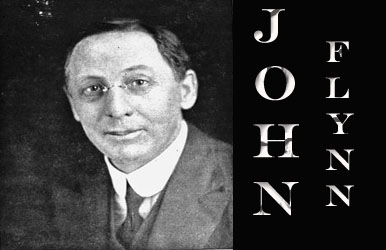
Australia's Flying Doctor Service began with the vision of Reverend John Flynn. John Flynn was born on 25 November 1880, in the gold rush town of Moliagul, about 202 kilometres north-west of Melbourne, Victoria. Flynn's first posting as a Presbyterian minister was to Beltana, a tiny, remote settlement 500 kilometres north of Adelaide. After writing … Continue reading November 25, 1880 – Reverend John Flynn, founder of the Royal Flying Doctor Service, is born
November 25, 1952 – Agatha Christie’s “The Mousetrap” opens in London

“The Mousetrap,” a murder-mystery written by the novelist and playwright Agatha Christie, opens at the Ambassadors Theatre in London. The crowd-pleasing whodunit would go on to become the longest continuously running play in history. When “The Mousetrap” premiered in 1952, Winston Churchill was British prime minister, Joseph Stalin was Soviet ruler and Harry Truman was president. Christie, already a hugely successful … Continue reading November 25, 1952 – Agatha Christie’s “The Mousetrap” opens in London
November 24, 1642 – Dutch explorer Abel Tasman reaches Tasmania, naming it Van Diemen’s Land
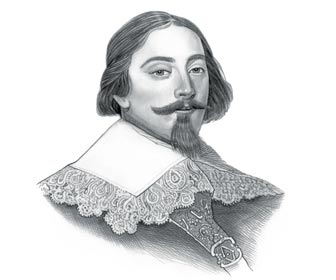
Abel Janszoon Tasman was a Dutch seafarer and explorer born in 1603 in the village of Lutjegast, Netherlands. In 1634 Tasman joined the Dutch East India Company and, after gaining further experience and promotions, was ordered to explore the south-east waters in order to find a new sea trade route to Chile in South America. … Continue reading November 24, 1642 – Dutch explorer Abel Tasman reaches Tasmania, naming it Van Diemen’s Land
 Craig Hill