
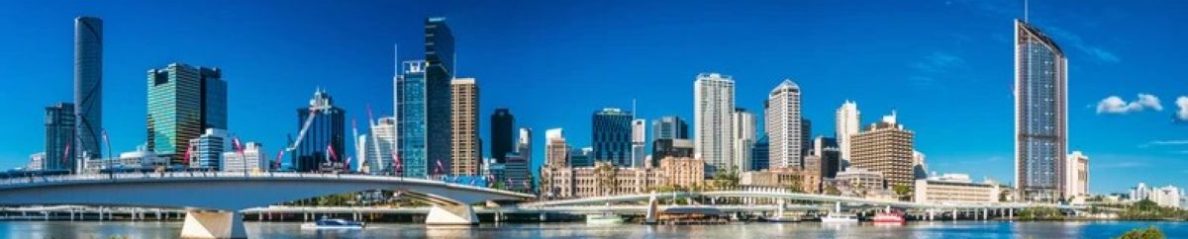

Clem Jones AO (16 January 1918 – 15 December 2007), a surveyor by profession, was the longest serving Lord Mayor of Brisbane, Queensland, representing the Labor Party from 1961 to 1975. He was Chair of the Darwin Reconstruction Commission from 1975 to 1978. He was a successful businessman and philanthropist. Public life During Jones' 15 years in office as the head of the Brisbane … Continue reading January 16, 1918 – Birth of Clem Jones, 8th Lord Mayor of Brisbane
January 16, 1979 – Shah flees Iran
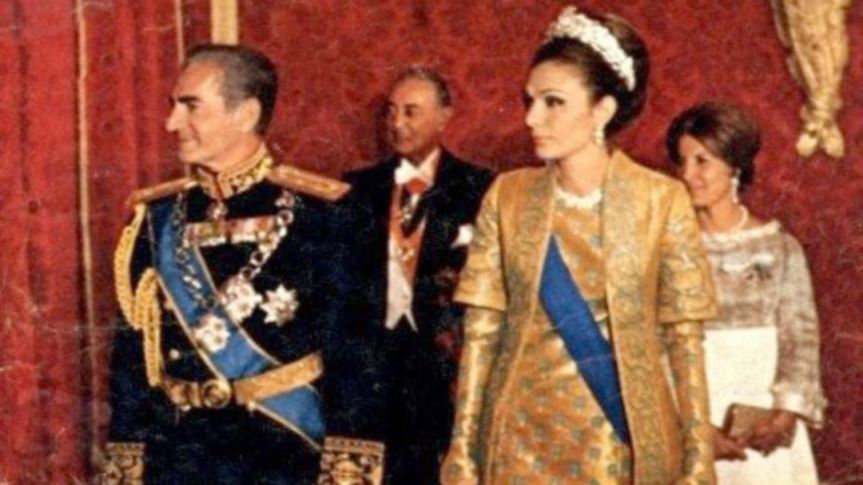
Faced with an army mutiny and violent demonstrations against his rule, Mohammad Reza Shah Pahlavi, the leader of Iran since 1941, is forced to flee the country. Fourteen days later, the Ayatollah Ruhollah Khomeini, the spiritual leader of the Islamic revolution, returned after 15 years of exile and took control of Iran. In 1941, British … Continue reading January 16, 1979 – Shah flees Iran
January 15, 1842 – Birth of Mary MacKillop, nun and Australia’s first saint
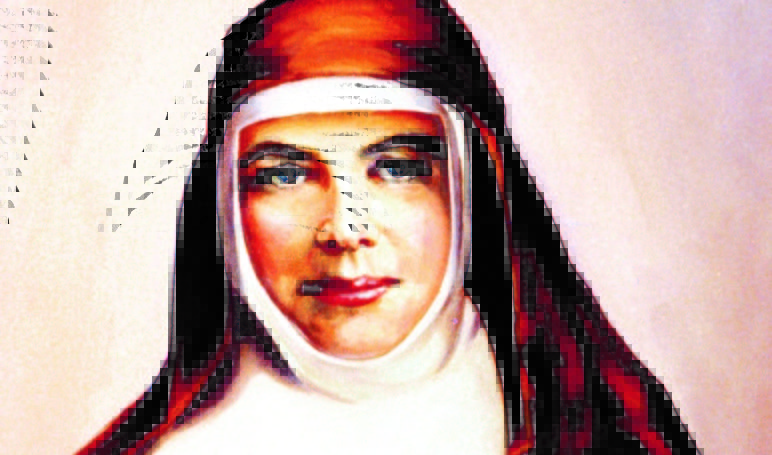
Mary Helen MacKillop RSJ (15 January 1842 – 8 August 1909) was an Australian religious sister who has been declared a saint by the Catholic Church, as St Mary of the Cross. Of Scottish descent, she was born in Melbourne but is best known for her activities in South Australia. Together with the Reverend Julian Tenison-Woods, she founded the Sisters of St Joseph of the Sacred Heart (the Josephites), … Continue reading January 15, 1842 – Birth of Mary MacKillop, nun and Australia’s first saint
January 15, 1972 – “American Pie” hits #1 on the US pop charts

On January 15, 1972, “American Pie,”, an epic poem in musical form that has long been etched in the American popular consciousness, hits #1 on the Billboard charts. The story of Don McLean’s magnum opus begins almost 13 years before its release, on a date with significance well-known to any American who was alive and … Continue reading January 15, 1972 – “American Pie” hits #1 on the US pop charts
January 14, 1960 – Reserve Bank of Australia established

On January 14, 1960, The Reserve Bank of Australia, the country's central bank and banknote issuing authority, was established. The Reserve Bank of Australia (RBA) has had this role since 14 January 1960, when the Reserve Bank Act 1959 removed the central banking functions from the Commonwealth Bank. The bank has the responsibility of providing services to the Government of Australia in addition to also providing services … Continue reading January 14, 1960 – Reserve Bank of Australia established
January 14, 1970 – Diana Ross and the Supremes perform their final concert

They were the most successful American pop group of the 1960s—a group whose 12 #1 hits in the first full decade of the rock and roll era places them behind only Elvis and the Beatles in terms of chart dominance. They helped define the very sound of the 60s, but like fellow icons the Beatles … Continue reading January 14, 1970 – Diana Ross and the Supremes perform their final concert
January 13, 1939 – The Black Friday bushfires burn 20,000 square kilometers of land in Australia, claiming the lives of 71 people
The Black Friday bushfires of 13 January 1939, in Victoria, Australia, were part of the devastating 1938–1939 bushfire season in Australia, which saw bushfires burning for the whole summer, and ash falling as far away as New Zealand. It was calculated that three-quarters of the State of Victoria was directly or indirectly affected by the disaster, while other Australian states and the … Continue reading January 13, 1939 – The Black Friday bushfires burn 20,000 square kilometers of land in Australia, claiming the lives of 71 people
January 13, 1128 – Pope recognises Knights Templar

On January 13, 1128, Pope Honorius II grants a papal sanction to the military order known as the Knights Templar, declaring it to be an army of God. Led by the Frenchman Hughes de Payens, the Knights Templar organization was founded in 1118. Its self-imposed mission was to protect Christian pilgrims on their way to and … Continue reading January 13, 1128 – Pope recognises Knights Templar
January 12, 2003 – Death of Maurice Gibb, Manx-Australian singer-songwriter, guitarist, and producer
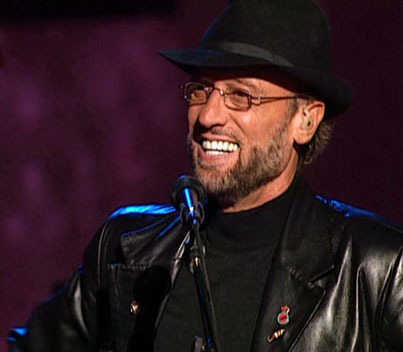
Maurice Ernest Gibb CBE (22 December 1949 – 12 January 2003) was an English musician, singer, songwriter and record producer who achieved fame as a member of the Bee Gees. Although his elder brother Barry Gibb and fraternal twin brother Robin Gibb were the group's main lead singers, most of their albums included at least one or two songs featuring Maurice's lead … Continue reading January 12, 2003 – Death of Maurice Gibb, Manx-Australian singer-songwriter, guitarist, and producer
January 12, 2010 – Massive earthquake strikes Haiti
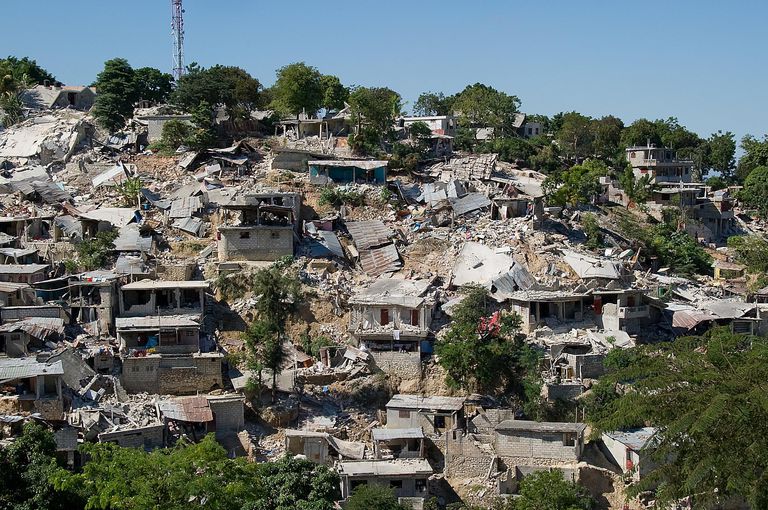
On January 12, 2010, Haiti was devastated by a massive earthquake. It drew an outpouring of support from around the globe but the small nation has yet to fully recover. Haiti is the poorest country in the Western Hemisphere, due largely to its history of colonization, occupation and exploitation by Spain, France and the United … Continue reading January 12, 2010 – Massive earthquake strikes Haiti
January 11, 1986 – The Gateway Bridge, Brisbane, Queensland, Australia is officially opened
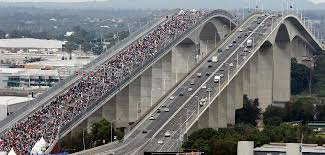
The Sir Leo Hielscher Bridges are a side-by-side pair of road bridges on the Gateway Motorway (M1), which skirts the eastern suburbs of Brisbane, Queensland, Australia. The western bridge carries traffic to the north and the eastern bridge carries traffic to the south. They are the most eastern crossing of the Brisbane River, the closest to Moreton Bay, crossing at the Quarries Reach, between Eagle … Continue reading January 11, 1986 – The Gateway Bridge, Brisbane, Queensland, Australia is officially opened
January 11, 1964 – U.S. Surgeon General announces definitive link between smoking and cancer
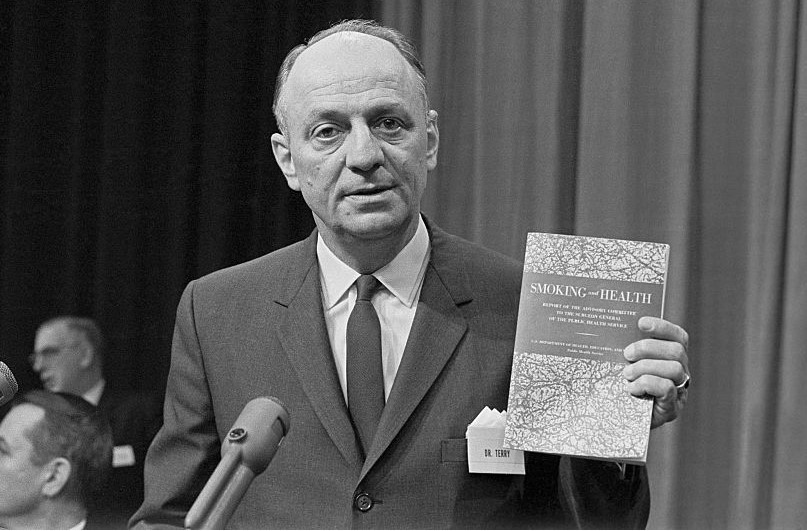
United States Surgeon General Luther Terry knew his report was a bombshell. He intentionally chose to release it on January 11, 1964, a Saturday, so as to limit its immediate effects on the stock market. It was on this date that, on behalf of the U.S. Government, Terry announced a definitive link between smoking and … Continue reading January 11, 1964 – U.S. Surgeon General announces definitive link between smoking and cancer
January 10, 1945 – Birth of John Fahey, New Zealand-Australian lawyer and politician, 38th Premier of New South Wales
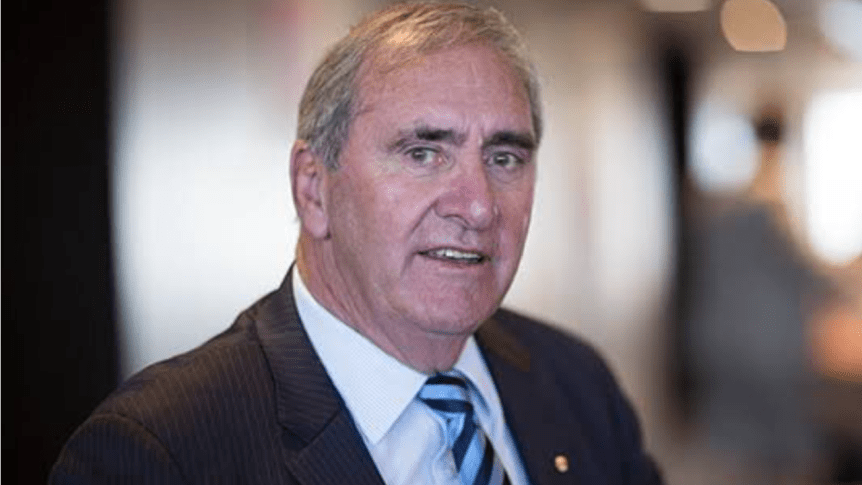
John Joseph Fahey AC (10 January 1945 – 12 September 2020) was an Australian politician who served as Premier of New South Wales from 1992 to 1995 and as the federal Minister for Finance from 1996 to 2001. He was a member of the New South Wales Legislative Assembly from 1984 to 1996 and the federal House of Representatives from 1996 to 2001. Fahey also served … Continue reading January 10, 1945 – Birth of John Fahey, New Zealand-Australian lawyer and politician, 38th Premier of New South Wales
January 10, 1946 – First meeting of the United Nations
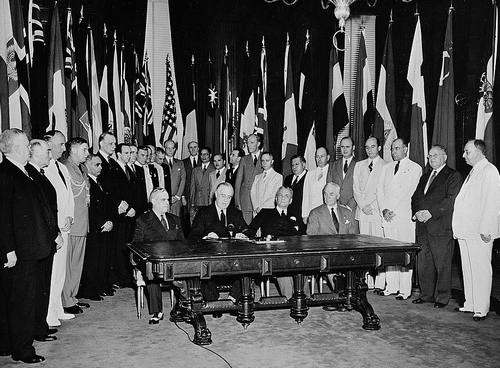
The first General Assembly of the United Nations, comprising 51 nations, convenes at Westminster Central Hall in London, England. One week later, the U.N. Security Council met for the first time and established its rules of procedure. Then, on January 24, the General Assembly adopted its first resolution, a measure calling for the peaceful uses … Continue reading January 10, 1946 – First meeting of the United Nations
January 9, 1903 – Hallam Tennyson, 2nd Baron Tennyson, son of the poet Alfred Tennyson, becomes the second Governor-General of Australia

Hallam Tennyson, 2nd Baron Tennyson, GCMG, PC (11 August 1852 – 2 December 1928) was a British aristocrat who served as the second Governor-General of Australia, in office from 1903 to 1904. He was previously Governor of South Australia from 1899 to 1902. Tennyson was born in Twickenham, Middlesex, and educated at Marlborough College and Trinity College, Cambridge. He was the eldest son of the poet Alfred, … Continue reading January 9, 1903 – Hallam Tennyson, 2nd Baron Tennyson, son of the poet Alfred Tennyson, becomes the second Governor-General of Australia
January 9, 1979 – Pop luminaries gather at the U.N. for the Music for UNICEF concert

In an effort to call attention to the poverty, malnutrition and lack of access to quality education affecting millions of children throughout the developing world, the United Nations proclaimed 1979 the “International Year of the Child.” To publicize the proclamation and raise money for UNICEF—the United Nation’s Children’s Fund—plans were laid for a concert fundraiser … Continue reading January 9, 1979 – Pop luminaries gather at the U.N. for the Music for UNICEF concert
January 8, 1885 – Birth of John Curtin, Australian journalist and politician, 14th Prime Minister of Australia

John Curtin (8 January 1885 – 5 July 1945) was an Australian politician who served as the 14th Prime Minister of Australia from 1941 until his death in 1945. He led the country for the majority of World War II, including all but the last few weeks of the war in the Pacific. He was the leader of the Australian … Continue reading January 8, 1885 – Birth of John Curtin, Australian journalist and politician, 14th Prime Minister of Australia
January 8, 1946 – Elvis Presley receives his first guitar for 11th birthday
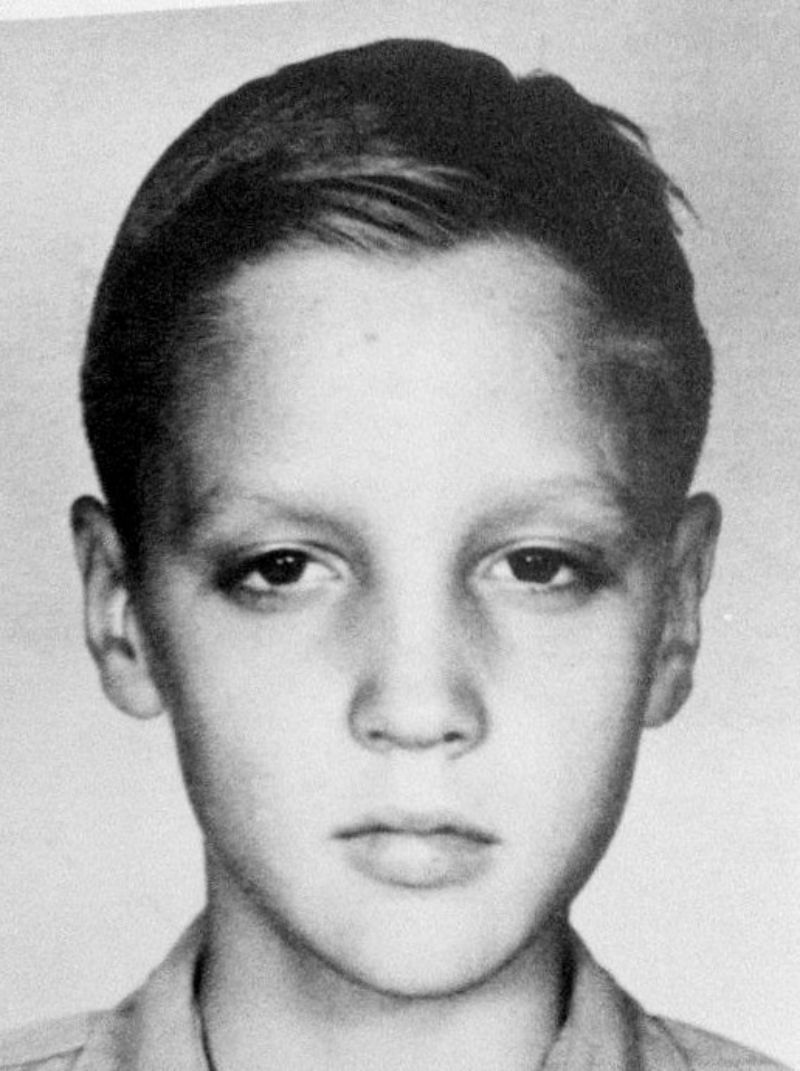
In competing versions of the story, what Elvis Presley really wanted for his birthday was a rifle or a bicycle—both fairly typical choices for a boy his age growing up on the outskirts of Tupelo, Mississippi. Instead, Elvis’s highly protective mother, Gladys—”She never let me out of her sight,” Elvis would later say—took him to the Tupelo Hardware … Continue reading January 8, 1946 – Elvis Presley receives his first guitar for 11th birthday
January 7, 1920 – Death of Edmund Barton, Australian judge and politician, 1st Prime Minister of Australia

Sir Edmund "Toby" Barton, GCMG, KC (18 January 1849 – 7 January 1920) was an Australian politician and judge who served as the first Prime Minister of Australia, in office from 1901 to 1903. He resigned to become a founding member of the High Court of Australia, where he served until his death. Barton was an early supporter of the federation of the Australian … Continue reading January 7, 1920 – Death of Edmund Barton, Australian judge and politician, 1st Prime Minister of Australia
January 7, 1785 – Two explorers become first to cross the English Channel in a balloon

Frenchman Jean-Pierre Blanchard and American John Jeffries travel from Dover, England, to Calais, France, in a gas balloon, becoming the first to cross the English Channel by air. The two men nearly crashed into the Channel along the way, however, as their balloon was weighed down by extraneous supplies such as anchors, a nonfunctional hand-operated … Continue reading January 7, 1785 – Two explorers become first to cross the English Channel in a balloon
January 6, 1953 – Birth of Malcolm Young, Scottish-Australian singer-songwriter, guitarist, and producer

Malcolm Mitchell Young (6 January 1953 – 18 November 2017) was an Australian musician and songwriter. He was best known as the co-founder, rhythm guitarist, backing vocalist, and songwriter of the rock band AC/DC. Except for a brief absence in 1988, he was with the band from its beginning in 1973 until retiring in 2014 due to health reasons. … Continue reading January 6, 1953 – Birth of Malcolm Young, Scottish-Australian singer-songwriter, guitarist, and producer
January 6, 1838 – Samuel Morse demonstrates the telegraph
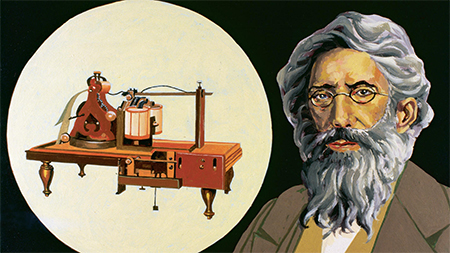
On January 6, 1838, Samuel Morse’s telegraph system is demonstrated for the first time at the Speedwell Iron Works in Morristown, New Jersey. The telegraph, a device which used electric impulses to transmit encoded messages over a wire, would eventually revolutionize long-distance communication, reaching the height of its popularity in the 1920s and 1930s. Samuel Finley … Continue reading January 6, 1838 – Samuel Morse demonstrates the telegraph
January 5, 1975 – The Tasman Bridge in Tasmania, Australia, is struck by the bulk ore carrier Lake Illawarra, killing twelve people

The Tasman Bridge disaster occurred on the evening of 5 January 1975, in Hobart, the capital city of Australia's island state of Tasmania, when a bulk ore carrier travelling up the Derwent River collided with several pylons of the Tasman Bridge, causing a large section of the bridge deck to collapse onto the ship and into the river below. Twelve people were … Continue reading January 5, 1975 – The Tasman Bridge in Tasmania, Australia, is struck by the bulk ore carrier Lake Illawarra, killing twelve people
January 5, 1933 – Golden Gate Bridge is born
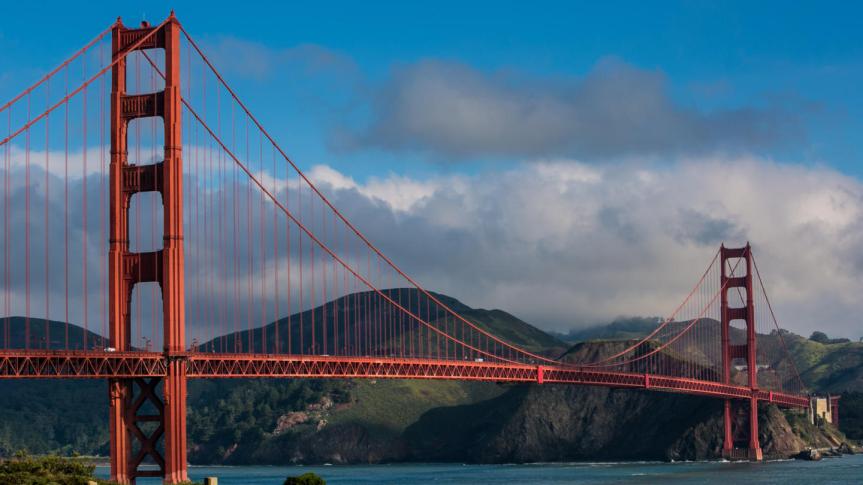
On January 5, 1933, construction begins on the Golden Gate Bridge, as workers began excavating 3.25 million cubic feet of dirt for the structure’s huge anchorages. Following the Gold Rush boom that began in 1849, speculators realized the land north of San Francisco Bay would increase in value in direct proportion to its accessibility to the city. Soon, a plan … Continue reading January 5, 1933 – Golden Gate Bridge is born
January 4, 1931 – Birth of William Deane, Australian judge and politician, 22nd Governor-General of Australia
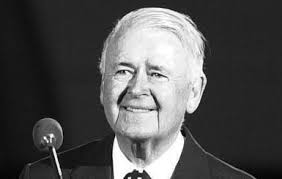
Sir William Patrick Deane AC KBE QC (born 4 January 1931) is an Australian barrister and jurist who served as the 22nd Governor-General of Australia, in office from 1996 to 2001. He was previously a Justice of the High Court of Australia from 1982 to 1995. Deane received his undergraduate education at the University of Sydney, and later studied international law at The Hague Academy of … Continue reading January 4, 1931 – Birth of William Deane, Australian judge and politician, 22nd Governor-General of Australia

