
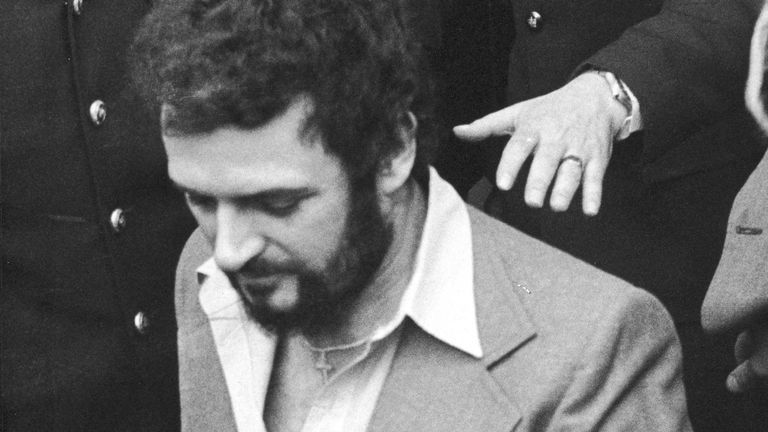
The so-called Yorkshire Ripper is finally caught by British police, ending one of the largest manhunts in history. For five years, investigators had pursued every lead in an effort to stop the serial killer who terrorized Northern England, but the end came out of pure happenstance. Peter Sutcliffe was spotted in a stolen car with … Continue reading January 2, 1981 – The Yorkshire Ripper is apprehended
Tag: History
January 1, 1901 – Six British colonies federate as the Commonwealth of Australia
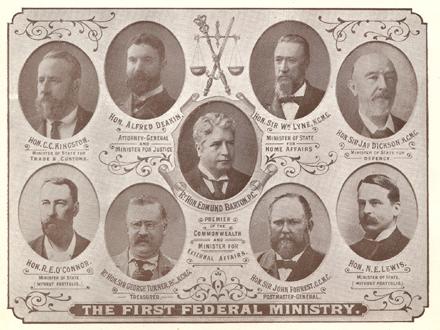
On January 1, 1901, the six separate British self-governing colonies of New South Wales, Queensland, Victoria, South Australia, Tasmania, and Western Australia federated as the Commonwealth of Australia; Edmund Barton was appointed the first Prime Minister. By establishing the Commonwealth, they established a system of federalism in Australia. The colonies of Fiji and New Zealand were originally part of … Continue reading January 1, 1901 – Six British colonies federate as the Commonwealth of Australia
January 1, 1863 – Abraham Lincoln signs the Emancipation Proclamation
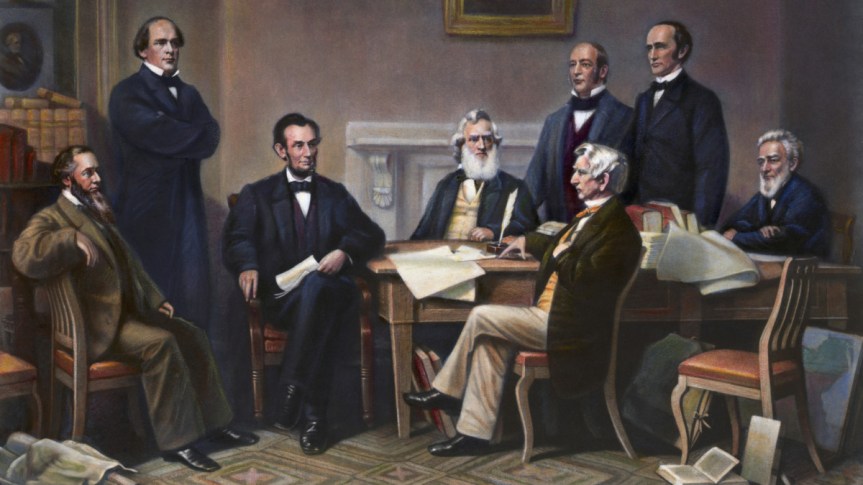
On January 1, 1863, Abraham Lincoln signs the Emancipation Proclamation. Attempting to stitch together a nation mired in a bloody civil war, Abraham Lincoln made a last-ditch, but carefully calculated, decision regarding the institution of slavery in America. By the end of 1862, things were not looking good for the Union. The Confederate Army had overcome Union troops in significant battles … Continue reading January 1, 1863 – Abraham Lincoln signs the Emancipation Proclamation
December 31, 1790 – Enough barley is harvested in the penal colony of New South Wales to alleviate impending starvation
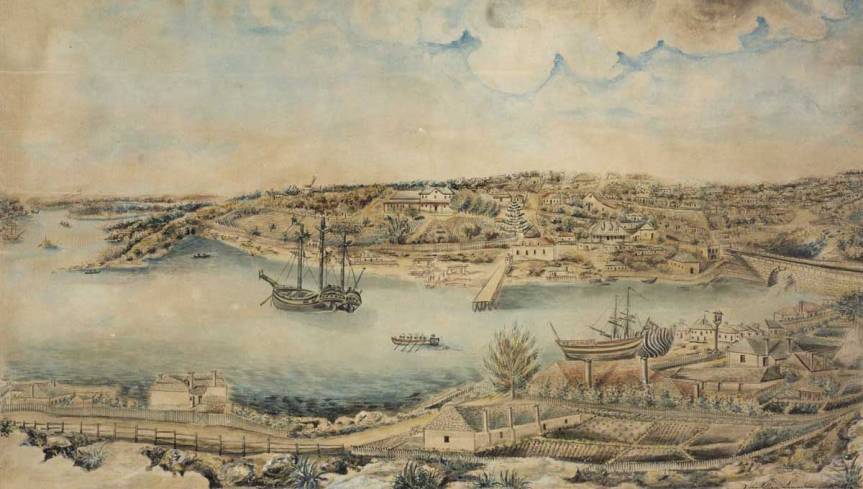
The First Fleet, containing the officers and convicts who would first settle Australia, arrived in Botany Bay on 18 January 1788. The colony's Governor, Captain Arthur Phillip, immediately determined that there was insufficient fresh water, an absence of usable timber, poor quality soil and no safe harbour at Botany Bay. Thus the fleet was moved … Continue reading December 31, 1790 – Enough barley is harvested in the penal colony of New South Wales to alleviate impending starvation
December 31, 1999 – Panama Canal turned over to Panama
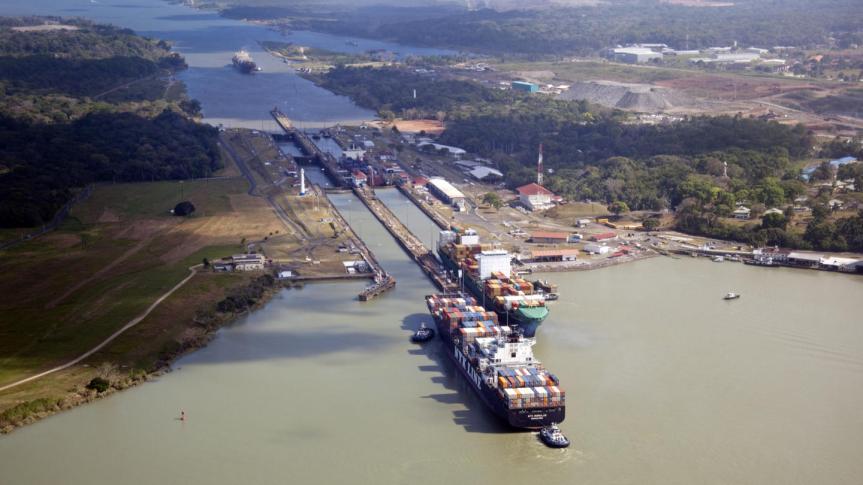
On December 31, 1999, the United States, in accordance with the Torrijos-Carter Treaties, officially hands over control of the Panama Canal, putting the strategic waterway into Panamanian hands for the first time. Crowds of Panamanians celebrated the transfer of the 50-mile canal, which links the Atlantic and Pacific oceans and officially opened when the SS Arcon … Continue reading December 31, 1999 – Panama Canal turned over to Panama
December 30, 1998 – One of a set of stegosaurus prints stolen from a sacred Aboriginal site near Broome is recovered
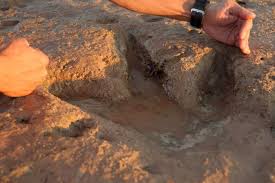
On 16 October 1996, it was reported that a set of fossilised dinosaur footprints had been stolen from a sacred Aboriginal site in outback Australia. The footprints came from the best preserved trackway of a stegosaur in the world, and were the world's only known set of fossilised stegosaurus prints. They were also the only … Continue reading December 30, 1998 – One of a set of stegosaurus prints stolen from a sacred Aboriginal site near Broome is recovered
December 30, 1922 – USSR established
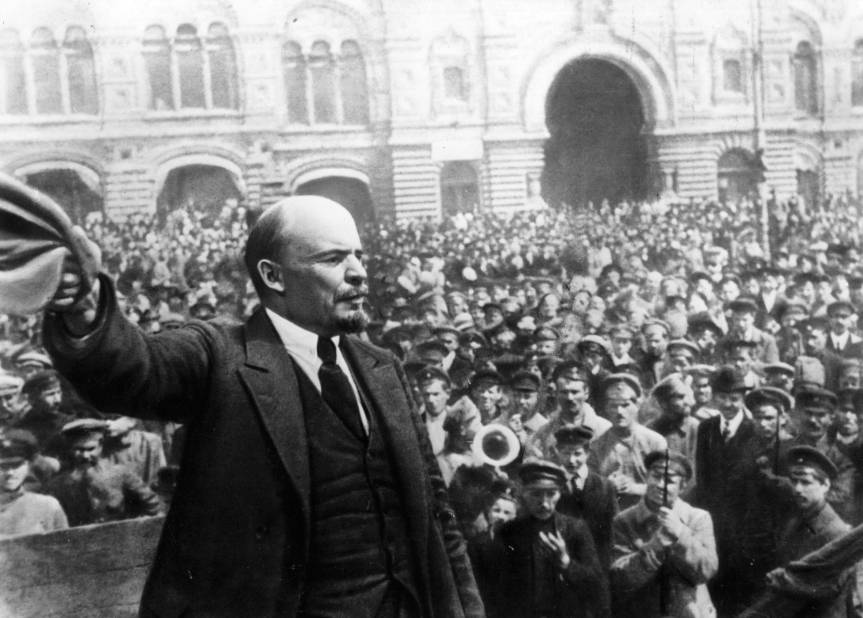
In post-revolutionary Russia, the Union of Soviet Socialist Republics (USSR) is established, comprising a confederation of Russia, Belorussia, Ukraine, and the Transcaucasian Federation (divided in 1936 into the Georgian, Azerbaijan, and Armenian republics). Also known as the Soviet Union, the new communist state was the successor to the Russian Empire and the first country in the … Continue reading December 30, 1922 – USSR established
December 29, 1960 – Australian cricketer David Boon was born
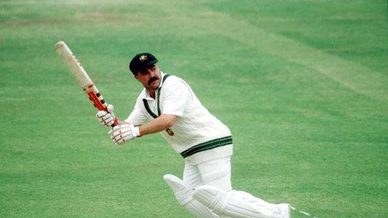
David Clarence Boon MBE is an Australian cricket match umpire, former cricket commentator and international cricketer whose international playing career spanned the years 1984–1996. He was born on December 29, 1960 in the Northern Tasmanian city of Launceston, the son of Clarrie and Lesley Boon. His father Clarrie worked in a newsagency in Launceston, while … Continue reading December 29, 1960 – Australian cricketer David Boon was born
December 28, 1850 – Henry Parkes establishes the ‘Empire’ newspaper, later giving rise to his prominent political career in Australia
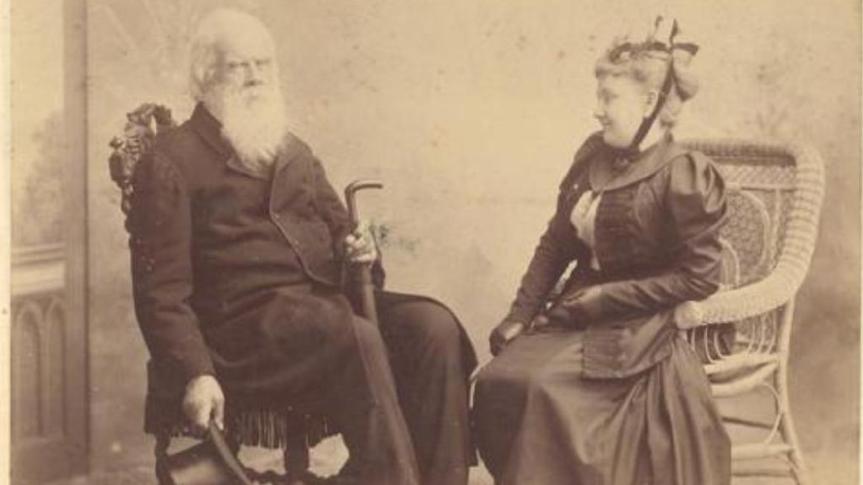
Henry Parkes was born in Warwickshire, England, on 27 May 1815. A failed business venture prompted him to seek passage with his wife to Australia, and he arrived in Sydney in 1839. Moving up from a position of farmer's labourer, to clerk, to managing his own business, a number of failed ventures indicated that he … Continue reading December 28, 1850 – Henry Parkes establishes the ‘Empire’ newspaper, later giving rise to his prominent political career in Australia
December 28, 1612 – Galileo becomes the first astronomer to observe Neptune, but catalogues it as a star.
Galileo Galilei was an Italian astrologer, physicist and astronomer. Born on 15 February 1564 in Pisa, Italy, he is best known for his improvements to the telescope, and his own subsequent celestial observations. He pioneered the use of quantitative experiments, analysing results mathematically - a legacy passed on to him through the influence of his … Continue reading December 28, 1612 – Galileo becomes the first astronomer to observe Neptune, but catalogues it as a star.
December 27, 1803 – Convict William Buckley escapes, spawning the Australian phrase “Buckley’s chance”
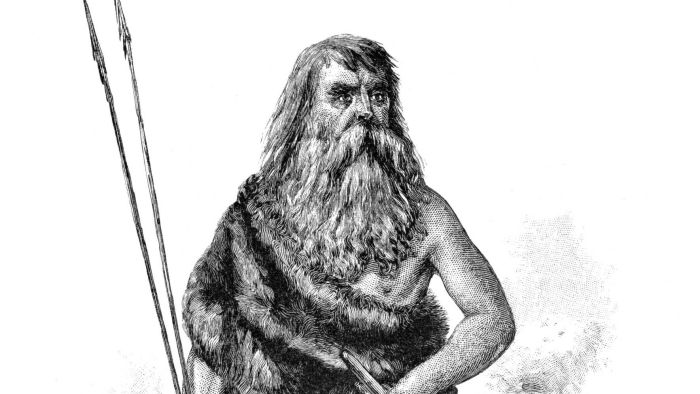
William Buckley was born in Marton, Cheshire, England in 1780. He arrived in Australia as a convict, and was a member of the first party of Europeans to attempt the first settlement at Sorrento, on the Mornington Peninsula, Victoria. On 27 December 1803, soon after his arrival, he escaped from custody. Despite the friendliness of … Continue reading December 27, 1803 – Convict William Buckley escapes, spawning the Australian phrase “Buckley’s chance”
December 27, 1983 – Pope John Paul II visits the man who attempted to assassinate him almost two years earlier
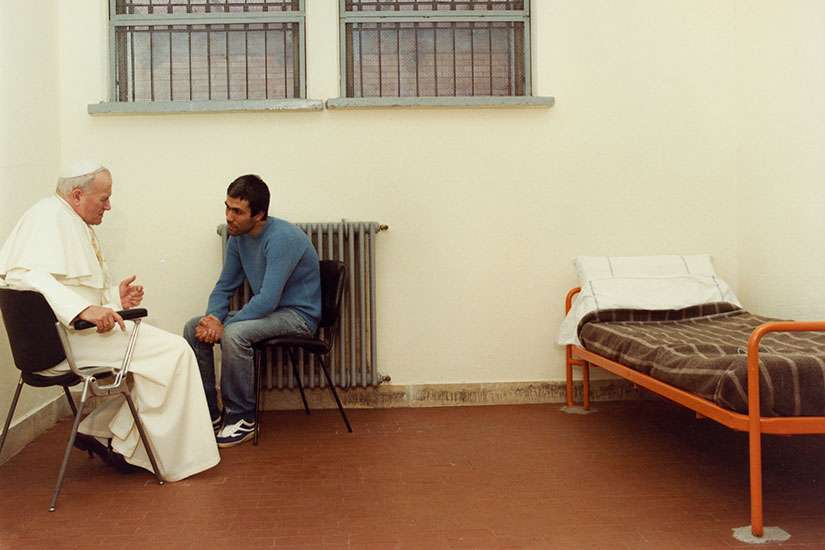
Pope John Paul II was elected to the papacy following the death of the popular "Smiling Pope", Pope John Paul, after just 33 days in office. Cardinal Karol Wojtyla of Poland took the name of Pope John Paul II in deference to his predecessor. At just 58 years old, the new Pope became the youngest … Continue reading December 27, 1983 – Pope John Paul II visits the man who attempted to assassinate him almost two years earlier
December 26, 1945 – The first Sydney to Hobart yacht race is held in Australia

The Sydney to Hobart yacht race is a major Australian event held annually on Boxing Day. Hosted by the Cruising Yacht Club of Australia, the race starts in Sydney on Boxing Day and finishes in Hobart, a distance of 1167km, or 630 nautical miles. The first race was held on 26 December 1945, and included … Continue reading December 26, 1945 – The first Sydney to Hobart yacht race is held in Australia
December 26, 2004 – Tsunami devastates Indian Ocean coast
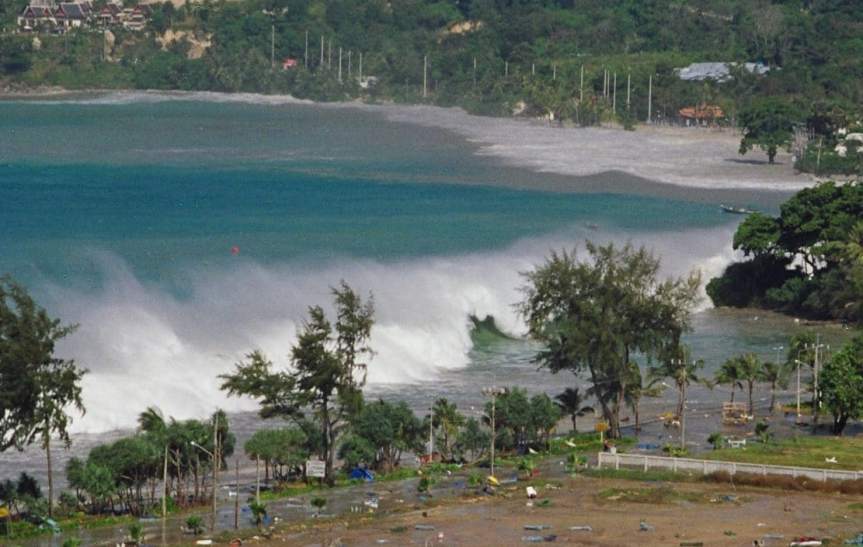
A powerful earthquake off the coast of Sumatra, Indonesia, on December 26, 2004 sets off a tsunami that wreaks death and devastation across the Indian Ocean coastline. The quake was the second strongest ever recorded and the estimated 230,000 dead made this disaster one of the 10 worst of all time. It was 7:58 a.m. … Continue reading December 26, 2004 – Tsunami devastates Indian Ocean coast
December 25, 1990 – The first successful communication between an HTTP client and server over the Internet spawns the World Wide Web

The Internet and World Wide Web have revolutionised modern life. Now, by pressing a few buttons on the computer, all your physical needs and wants can be met. But where and when did it all begin? In the 1980s, English physicist Tim Berners-Lee was a software consultant at the European Organization for Nuclear Research (better … Continue reading December 25, 1990 – The first successful communication between an HTTP client and server over the Internet spawns the World Wide Web
December 24, 1836 – Colonel William Light enthusiastically approves the site for Adelaide

Adelaide is the capital city of South Australia. Although not the only Australian state to have been founded by free settlers, it is the only state to have remained entirely free of convicts during its history. The site of Adelaide was originally determined by Captain Collet Barker. Barker was sent by Governor Darling in April … Continue reading December 24, 1836 – Colonel William Light enthusiastically approves the site for Adelaide
December 24, 1953 – 151 die in New Zealand as an express train plunges off a damaged bridge
Mount Ruapehu, at 2,797 metres high, is the highest point on New Zealand's North Island. One of the largest active volcanoes in New Zealand, it is part of Tongariro National Park. On Christmas Eve 1953, a lahar, or flow of rock, mud, water and other volcanic debris, swept down the valley towards the railway bridge … Continue reading December 24, 1953 – 151 die in New Zealand as an express train plunges off a damaged bridge
December 23, 1906 – Australian invention, the surf lifesaving reel, is demonstrated for the first time

Australia is a land of innovations and inventions: many of them developed out of necessity due to Australia's unusual or harsh conditions and environment. One such invention is the surf lifesaving reel. The world's first lifesaving clubs were spawned in Australia, when the Bronte Beach Surf Club was formed in 1903. Early rescue equipment was … Continue reading December 23, 1906 – Australian invention, the surf lifesaving reel, is demonstrated for the first time
December 23, 1888 – Vincent van Gogh chops off his ear

On December 23, 1888, Dutch painter Vincent van Gogh, suffering from severe depression, cuts off the lower part of his left ear with a razor while staying in Arles, France. He later documented the event in a painting titled Self-Portrait with Bandaged Ear. Today, Van Gogh is regarded as an artistic genius and his masterpieces sell for … Continue reading December 23, 1888 – Vincent van Gogh chops off his ear
December 22, 1845 – Land for the first gold mine in Australia is purchased
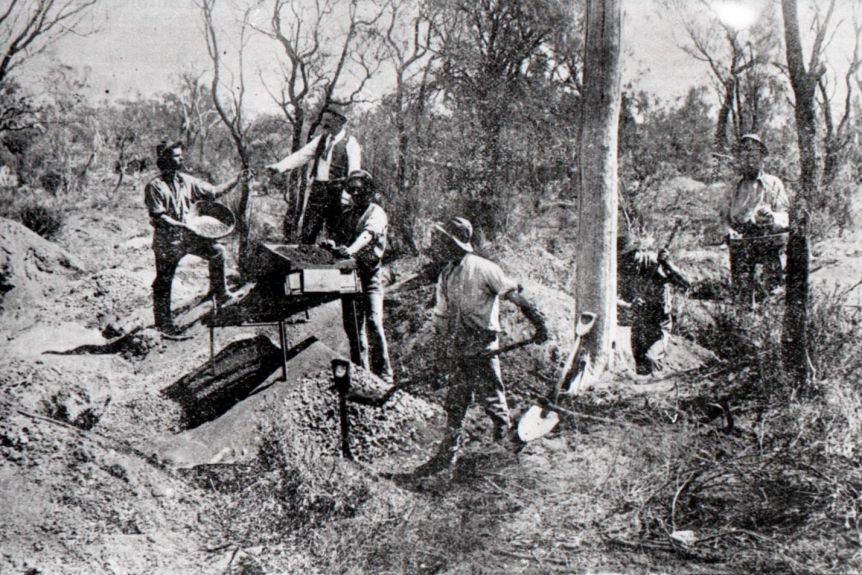
The first recorded gold discovery in Australia was in 1823 by James McBrien who discovered flecks of alluvial gold in the Fish River of New South Wales. Further traces of gold were discovered in areas of the Blue Mountains in the ensuing decades. Early discoveries of gold were kept secret as it was feared that … Continue reading December 22, 1845 – Land for the first gold mine in Australia is purchased
December 22, 1989 – The Brandenburg Gate between East and West Berlin is opened for the first time in nearly thirty years
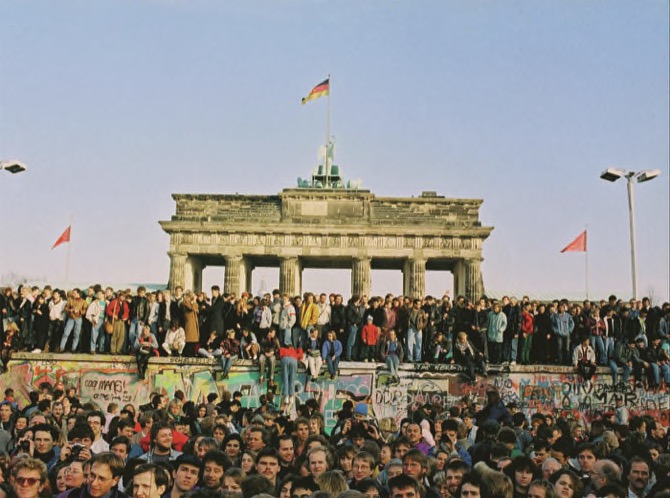
Berlin, the capital city of Germany, was divided following World War II. With the development of the Cold War, tensions began to increase between the Soviet Union which controlled the East, and the western allies which controlled West Berlin. The border between East and West Germany was closed in 1952, but people continued to defect … Continue reading December 22, 1989 – The Brandenburg Gate between East and West Berlin is opened for the first time in nearly thirty years
December 21, 1817 – Governor Macquarie recommends the use of the name ‘Australia’ instead of New Holland for the continent
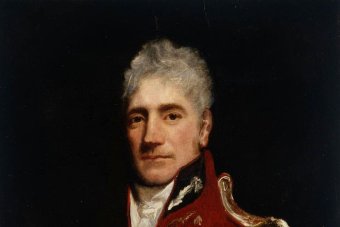
The first known Europeans to set foot on Australia’s shores were the Dutch, doing so over 150 years before English explorer James Cook ever sighted eastern Australia. In 1642, Abel Tasman sighted and named Van Diemen’s Land. After Tasman had established in 1644 that the continent was separate from other land masses to the north, … Continue reading December 21, 1817 – Governor Macquarie recommends the use of the name ‘Australia’ instead of New Holland for the continent
December 20, 1894 – Sir Robert Gordon Menzies, twelfth and longest-serving Prime Minister of Australia, is born
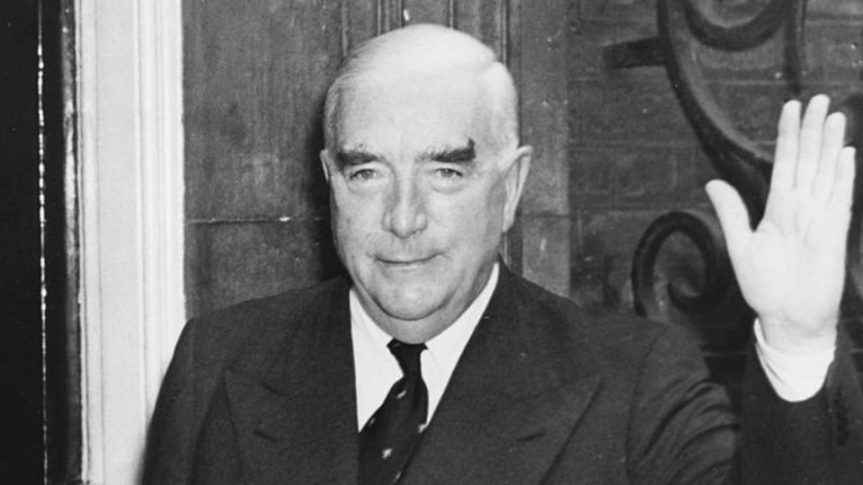
Robert Gordon Menzies was born in the Victorian town of Jeparit on 20 December 1894. In 1928 he entered politics after being elected to Victoria’s Legislative Council for East Yarra. After six years in Victorian state politics as Attorney-General and Minister for Railways (1928–34), he was elected to federal parliament as Member for Kooyong. On … Continue reading December 20, 1894 – Sir Robert Gordon Menzies, twelfth and longest-serving Prime Minister of Australia, is born
December 19, 1964 – The newly-built town of Jindabyne, relocated for the building of the Snowy Mountain Hydro-electric scheme, is opened.

The town of Jindabyne resulted from the earliest settlements in Australia's Snowy Mountains. It is thought to have come about after the Pendergast brothers, sons of an ex-convict, arrived in the area possibly as early as the 1820s. Sheep farming, wheat and a flour mill gave the town its first start, and more impetus came … Continue reading December 19, 1964 – The newly-built town of Jindabyne, relocated for the building of the Snowy Mountain Hydro-electric scheme, is opened.
December 19, 1843 – Charles Dickens “A Christmas Carol” was published

On December 19, 1843, Charles Dickens’ classic story “A Christmas Carol” was published. Dickens was born in 1812 and attended school in Portsmouth. His father, a clerk in the navy pay office, was thrown into debtors’ prison in 1824, and 12-year-old Charles was sent to work in a factory. The miserable treatment of children and the … Continue reading December 19, 1843 – Charles Dickens “A Christmas Carol” was published
 Craig Hill