
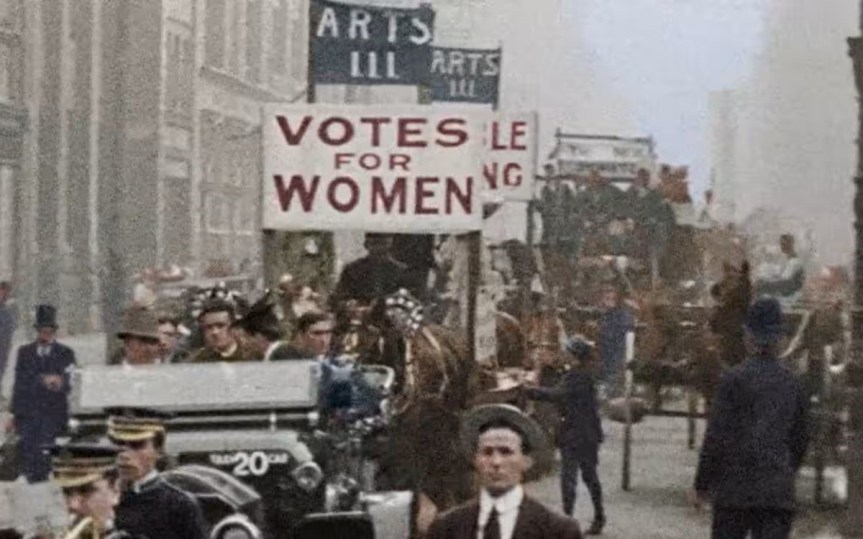
Women in South Australia gained the right to vote in 1894, and voted for the first time in the election of 1896. It is generally recognised that this right occurred with the passing of a Bill on 18 December 1894. However, a letter from the Attorney-General advising Governor Kintore that Royal Assent would be required … Continue reading December 18, 1894 – Women in South Australia unofficially gain the right to vote
Tag: Australia
December 17, 1967 – Australian Prime Minister Harold Holt goes missing whilst swimming at Portsea, Victoria
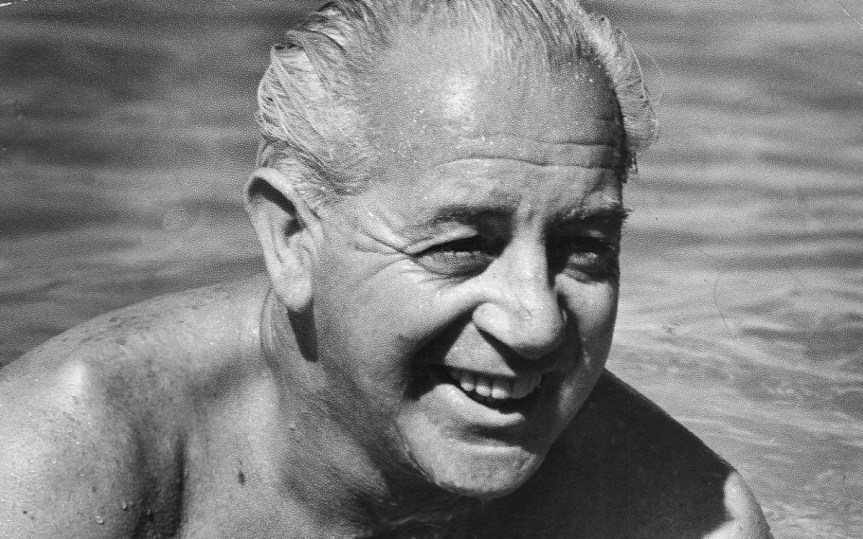
Harold Edward Holt was born in Sydney on 5 August 1908. After studying law at the University of Melbourne, he practised as a solicitor before being elected to Federal Parliament in 1936. After a thirty-year career in politics, he became Prime Minister following the retirement of Sir Robert Menzies in January 1966. Holt's time as … Continue reading December 17, 1967 – Australian Prime Minister Harold Holt goes missing whilst swimming at Portsea, Victoria
December 16, 1860 – Burke and Wills make the fateful decision to push on to the Gulf from Cooper Creek

Robert O'Hara Burke and William Wills led the expedition that was intended to bring fame and prestige to Victoria: being the first Europeans to cross Australia from south to north and back again. They set out on Monday, 20 August 1860, leaving from Royal Park, Melbourne, and farewelled by around 15,000 people. The exploration party … Continue reading December 16, 1860 – Burke and Wills make the fateful decision to push on to the Gulf from Cooper Creek
December 15, 2014 – Sydney, Australia, is gripped by a siege that lasts almost 17 hours and leaves three dead
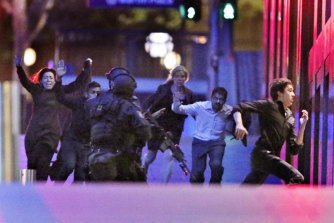
Martin Place in the Sydney CBD is a popular plaza for both workers and visitors. It incorporates a range of commercial and retail businesses, as well as an amphitheatre utilised for corporate and community events, and is usually a bustling thoroughfare. On the morning of 15 December 2014, this peaceful and previously safe venue became … Continue reading December 15, 2014 – Sydney, Australia, is gripped by a siege that lasts almost 17 hours and leaves three dead
December 14, 1840 – Governor Gipps appoints the first Government Printer

In the first two decades of British settlement in Australia, all government notices were printed on a portable wooden and iron printing press that had come to New South Wales on the First Fleet in 1788. There were no experienced printers among the convicts until the convict transport ship "The Royal Admiral" brought George Howe … Continue reading December 14, 1840 – Governor Gipps appoints the first Government Printer
December 13, 1955 – Australian housewife “superstar”, Dame Edna Everage, makes her stage debut

Dame Edna Everage is the brainchild and ostentatious alter-ego of Australian actor Barry Humphries. The Moonee Ponds housewife, originally created as a parody of Australian suburban insularity, has developed from her earlier dowdiness to become a satire of stardom, the gaudily dressed, ostentatious, international Housewife Gigastar with outrageous glasses. Barry Humphries was born on 17 … Continue reading December 13, 1955 – Australian housewife “superstar”, Dame Edna Everage, makes her stage debut
December 12, 1882 – Australia’s worst gold mining disaster, to date, occurs in Creswick, Victoria
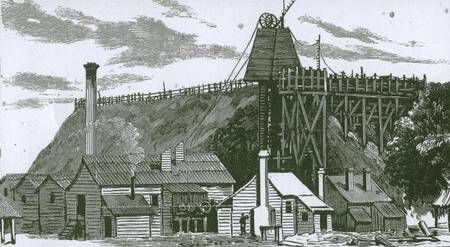
Creswick is a small town located in the heart of the central goldfields in Victoria, Australia. The town, which currently has a population of just over 3 000, was born after squatters Charles, John and Henry Creswick ran sheep in the area which became known as Creswick’s Creek in 1842. The discovery of gold in … Continue reading December 12, 1882 – Australia’s worst gold mining disaster, to date, occurs in Creswick, Victoria
December 11, 1931 – The Statute of Westminster gives complete legislative independence to countries of the British Commonwealth
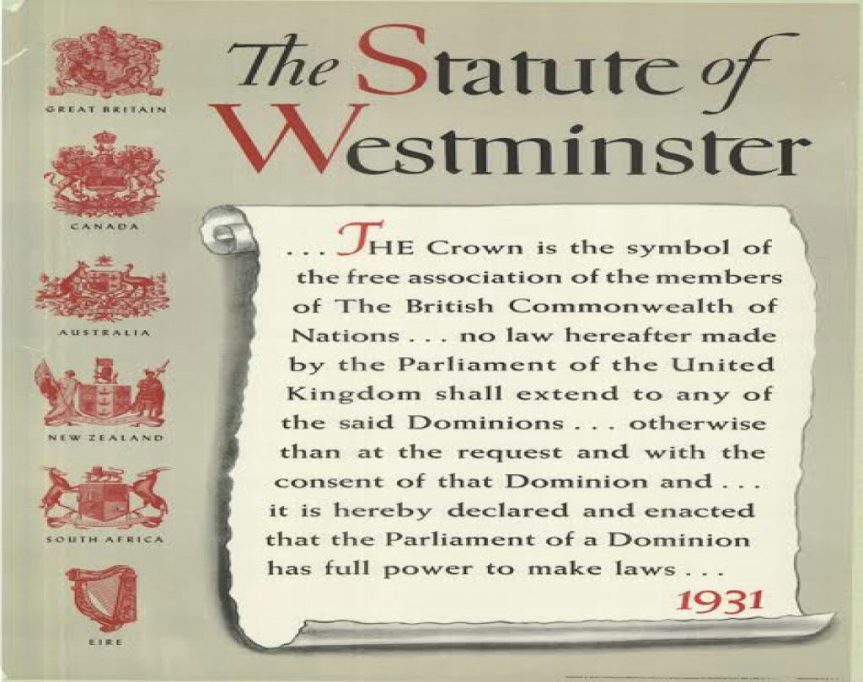
Whilst the Constitution of the Commonwealth of Australia came into effect on 1 January 1901, this did not mean that Australia had achieved independence from Britain. Under colonial federation approved by the United Kingdom, the six self-governing states of Australia merely allocated some functions to a federal authority. Australia was given the status of a … Continue reading December 11, 1931 – The Statute of Westminster gives complete legislative independence to countries of the British Commonwealth
December 10, 1859 – Today is Proclamation Day, marking Queensland’s official separation from New South Wales
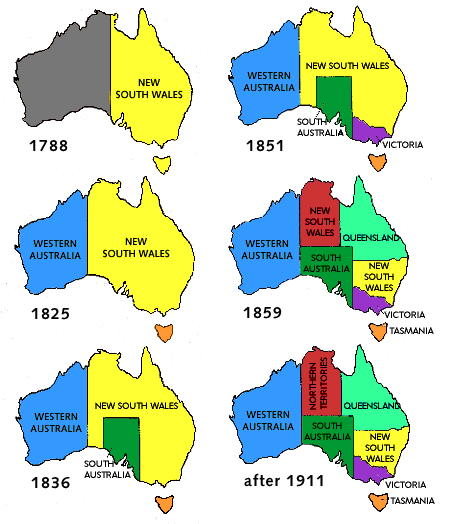
When the First Fleet arrived in Australia in 1788, the entire eastern half of Australia came under the name of New South Wales. The colony of Van Diemen's Land (later Tasmania) was established in 1825, and Victoria (Port Phillip District) separated from New South Wales in 1851. The first settlement in what is now Queensland … Continue reading December 10, 1859 – Today is Proclamation Day, marking Queensland’s official separation from New South Wales
December 9, 1941 – Australia formally declares war on Japan
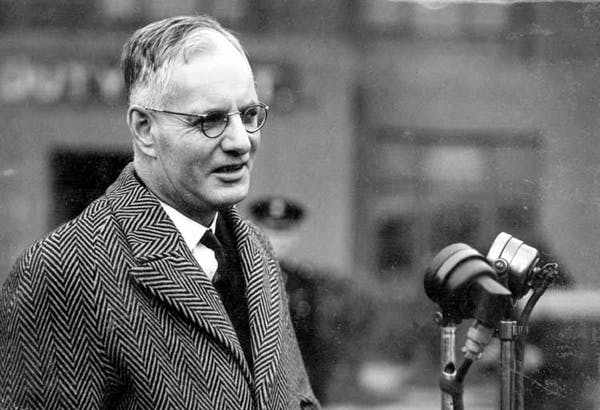
On the morning of 7 December 1941, the Imperial Japanese Navy launched a surprise attack on the Pacific Fleet of the United States Navy, stationed at Pearl Harbor, Oahu, Hawaii. This one act changed the direction of World War II. Despite the success of the Japanese in their aim of crippling the US navy, the … Continue reading December 9, 1941 – Australia formally declares war on Japan
December 8, 1801 – Matthew Flinders explores and charts King George’s Sound (later Albany) in Western Australia

Matthew Flinders was born in Lincolnshire, England, in 1774. Flinders and George Bass did much sea exploration around Australia, adding to the knowledge of the coastline, and producing accurate maps. As well as being the first to circumnavigate Australia, Flinders, together with Bass, was the first to prove that Van Diemen's Land, or Tasmania, was … Continue reading December 8, 1801 – Matthew Flinders explores and charts King George’s Sound (later Albany) in Western Australia
December 7, 1846 – Ludwig Leichhardt departs Jimbour Station on his second but unsuccessful expedition
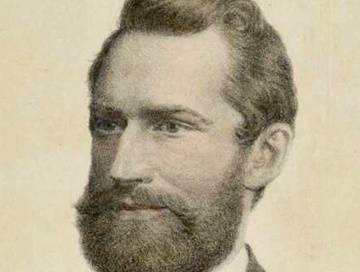
Ludwig Leichhardt was born in Prussia and studied in Germany. He was a passionate botanist who had an interest in exploration, although he lacked necessary bush survival skills. In October 1844, he left from Jimbour Station on the Darling Downs on an expedition to find a new route to Port Essington, near Darwin. The trip … Continue reading December 7, 1846 – Ludwig Leichhardt departs Jimbour Station on his second but unsuccessful expedition
December 6, 1784 – Transportation of convicts from England to Australia is first authorised
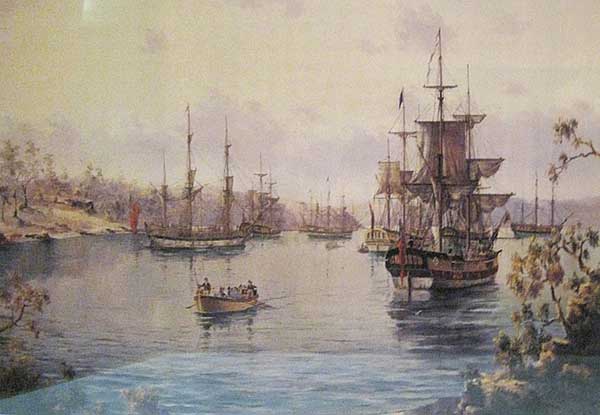
Conditions in England in the 18th century were tough: the industrial revolution had removed many people's opportunities to earn an honest wage as simpler tasks were replaced by machine labour. As unemployment rose, so did crime, especially the theft of basic necessities such as food and clothing. The British prison system was soon full to … Continue reading December 6, 1784 – Transportation of convicts from England to Australia is first authorised
December 5, 1909 – George Taylor, little-known pioneer in Australian aviation, achieves the first Australian flight of a heavier-than-air machine
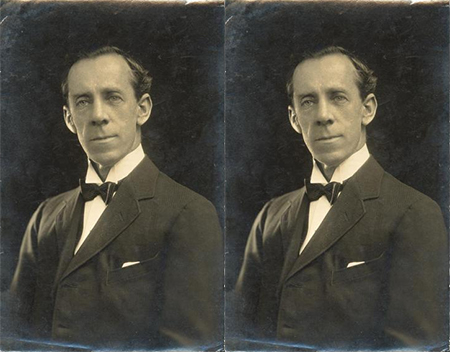
George Augustine Taylor was born in Sydney on 1 August 1872. As a young man, he trained as a builder and then worked as a cartoonist. However, emerging developments in science and technology began to capture his imagination. In 1908, he established a factory for the purpose of building light aircraft. As a student and … Continue reading December 5, 1909 – George Taylor, little-known pioneer in Australian aviation, achieves the first Australian flight of a heavier-than-air machine
December 4, 1956 – Australian swimmer Murray Rose sets world record 4:27.3 to claim the 400m gold medal at the Melbourne Olympics
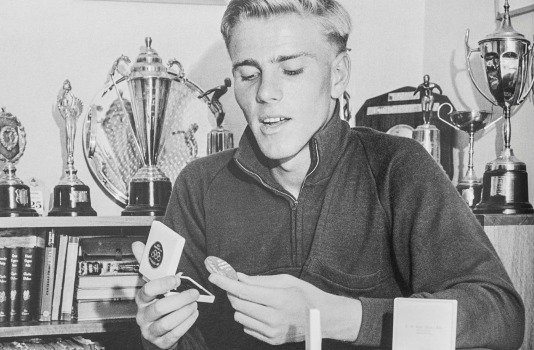
At age 17 Murray Rose became the youngest Olympian to win three gold medals during one Olympics. At the 1956 Games in Melbourne, Australia, Rose set an Olympic record in the 400-metre freestyle, won the 1,500-metre freestyle, and was a member of the world-record-breaking 4 × 200-metre relay team. At the 1960 Olympic Games in Rome, he set another record … Continue reading December 4, 1956 – Australian swimmer Murray Rose sets world record 4:27.3 to claim the 400m gold medal at the Melbourne Olympics
December 3, 1854 – The Battle of the Eureka Stockade is held near Ballarat, Victoria
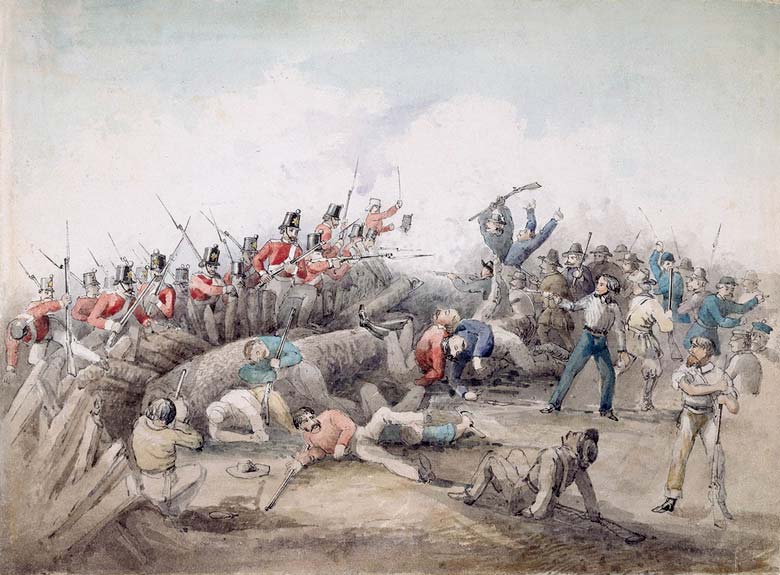
The Eureka Stockade was the rebellion initiated by the diggers on the Ballarat, Victoria goldfields in 1854. Conditions on the Australian goldfields were particularly harsh. The main source of discontent was the expensive miner's licence. It cost 30 shillings every month and permitted the holder to work a 3.6 metre square "claim". Licences had to … Continue reading December 3, 1854 – The Battle of the Eureka Stockade is held near Ballarat, Victoria
December 2, 1911 – Douglas Mawson departs Hobart to commence his Antarctic exploration
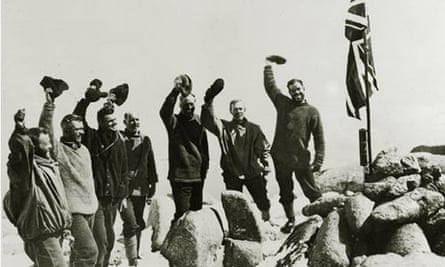
Australian Antarctic explorer, Douglas Mawson, was born on 5 May 1882, in Yorkshire, but his family emigrated to Australia in 1884. He studied geology at Sydney University, and was appointed geologist to an expedition to the New Hebrides in 1903. After this, he returned to Australia to become a lecturer in petrology and mineralogy at … Continue reading December 2, 1911 – Douglas Mawson departs Hobart to commence his Antarctic exploration
December 1, 1876 – Aboriginal stockman Sam Isaacs and teenager Grace Bussell rescue about 40 people from a stricken steamship off Western Australia
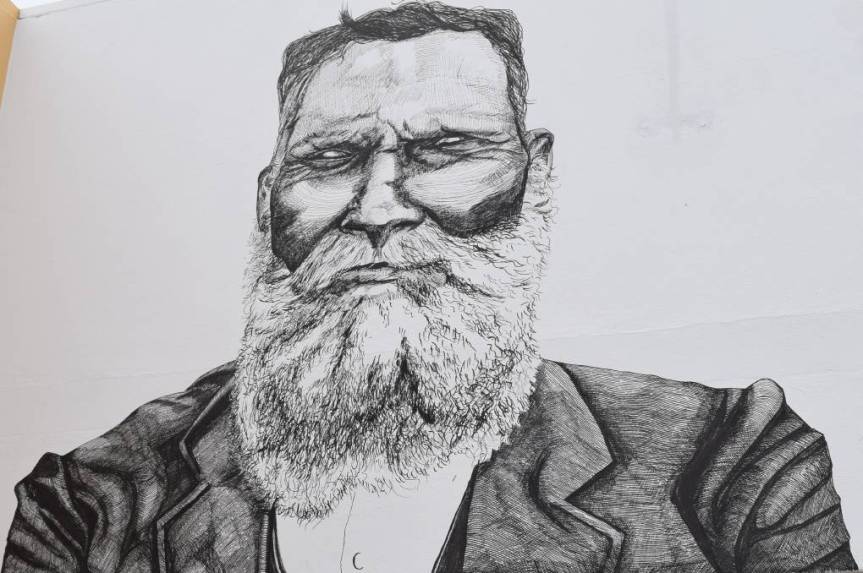
The SS Georgette was a steamship built in 1872, which was sold in England to Western Australia, and used as a coastal trading and passenger service between Fremantle, Albany and Champion Bay. On 1 December 1876, the Georgette sprang a leak 32km out to sea, whilst carrying fifty passengers and a cargo of jarrah wood. … Continue reading December 1, 1876 – Aboriginal stockman Sam Isaacs and teenager Grace Bussell rescue about 40 people from a stricken steamship off Western Australia
November 30, 1928 – Australian cricket icon Donald Bradman makes his Test debut
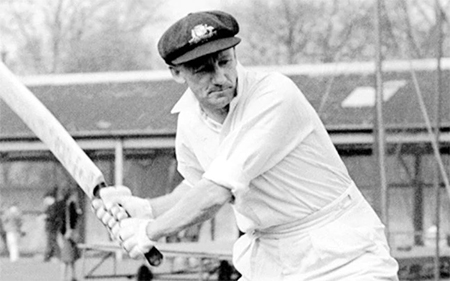
Donald George Bradman was born on 27 August 1908 in Cootamundra, New South Wales, Australia. One of Australia's most popular sporting heroes, he is often regarded as the greatest batsman of all time. The Bradman Museum and Bradman Oval are located in the New South Wales town of Bowral, where Bradman grew up, spending many … Continue reading November 30, 1928 – Australian cricket icon Donald Bradman makes his Test debut
November 29, 1948 – Australian Prime Minister Ben Chifley launches the first mass-produced Australian car, the Holden FX
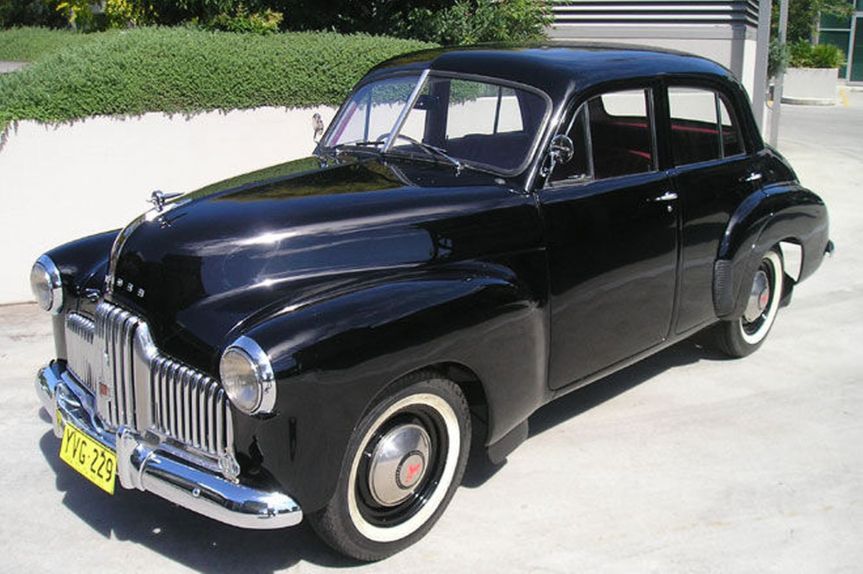
"Made in Australia, For Australia". These are the words spoken by Australian Prime Minister Ben Chifley when he launched the Holden FX on 29 November 1948. The real name of the Holden FX is 48/215. '48 was the year it started production, and 215 indicated a Standard Sedan. The name "FX" originated as an unofficial … Continue reading November 29, 1948 – Australian Prime Minister Ben Chifley launches the first mass-produced Australian car, the Holden FX
November 28, 1932 – The ‘Dog on the Tuckerbox’ statue at Gundagai is unveiled

The "Dog on the Tuckerbox" is an historical monument situated in southern New South Wales, Australia. Celebrated in Australian folklore, poetry, and song as being either five or nine miles from Gundagai, the Dog on the Tuckerbox sits approximately 5 miles, or eight kilometres, from Gundagai. Gundagai's Dog on the Tuckerbox originated out of an … Continue reading November 28, 1932 – The ‘Dog on the Tuckerbox’ statue at Gundagai is unveiled
November 27, 1880 – Sir Ralph Freeman, designer of the Sydney Harbour Bridge, is born
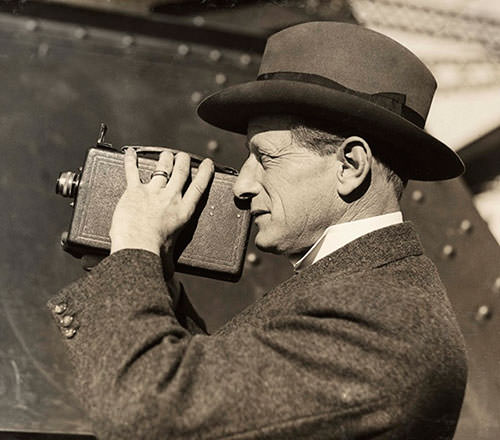
Ralph Freeman was born on 27 November 1880 in London, England. After studying civil engineering at the City and Guilds of London Institute, he joined Douglas Fox & Partners, a firm of consulting engineers specialising in the design of steel bridges. He rose to become senior partner and in 1938 the firm changed its name … Continue reading November 27, 1880 – Sir Ralph Freeman, designer of the Sydney Harbour Bridge, is born
November 26, 1838 – A second trial finds some of the perpetrators of the Myall Creek massacre of Aborigines guilty of murder
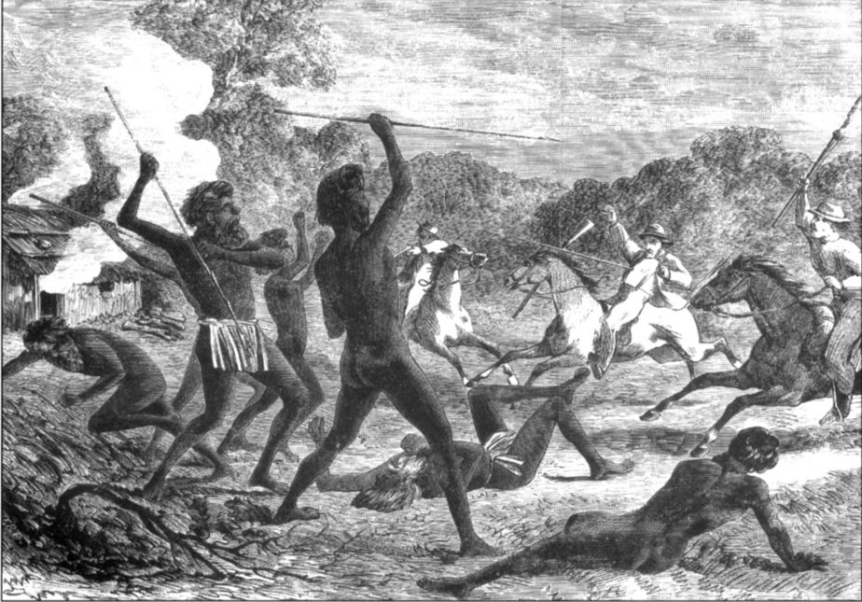
After numerous clashes between European settlers and Aboriginals people in late 1837 in northwest New South Wales, tensions were high. On 10 June 1838, a gang of stockmen, heavily armed, rounded up between 40 and 50 Aboriginal women, children and elderly men at Henry Dangar's Myall Creek Station, not far from Inverell in New South … Continue reading November 26, 1838 – A second trial finds some of the perpetrators of the Myall Creek massacre of Aborigines guilty of murder
November 25, 1880 – Reverend John Flynn, founder of the Royal Flying Doctor Service, is born
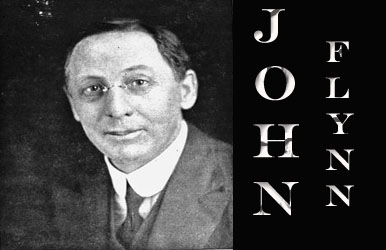
Australia's Flying Doctor Service began with the vision of Reverend John Flynn. John Flynn was born on 25 November 1880, in the gold rush town of Moliagul, about 202 kilometres north-west of Melbourne, Victoria. Flynn's first posting as a Presbyterian minister was to Beltana, a tiny, remote settlement 500 kilometres north of Adelaide. After writing … Continue reading November 25, 1880 – Reverend John Flynn, founder of the Royal Flying Doctor Service, is born
November 24, 1642 – Dutch explorer Abel Tasman reaches Tasmania, naming it Van Diemen’s Land
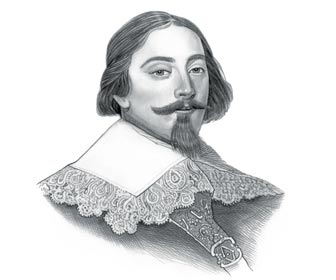
Abel Janszoon Tasman was a Dutch seafarer and explorer born in 1603 in the village of Lutjegast, Netherlands. In 1634 Tasman joined the Dutch East India Company and, after gaining further experience and promotions, was ordered to explore the south-east waters in order to find a new sea trade route to Chile in South America. … Continue reading November 24, 1642 – Dutch explorer Abel Tasman reaches Tasmania, naming it Van Diemen’s Land
 Craig Hill