
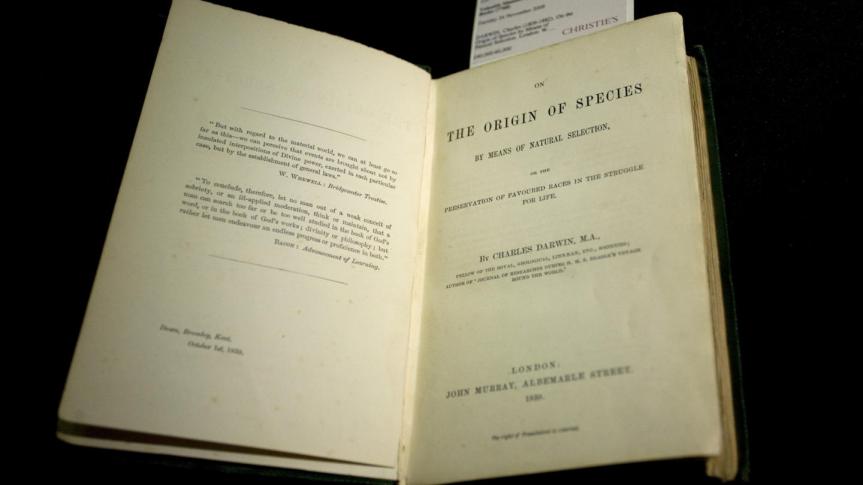
On the Origin of Species by Means of Natural Selection, a groundbreaking scientific work by British naturalist Charles Darwin, is published in England. Darwin’s theory argued that organisms gradually evolve through a process he called “natural selection.” In natural selection, organisms with genetic variations that suit their environment tend to propagate more descendants than organisms of the … Continue reading November 24, 1859 – Charles Darwin’s “Origin of Species” is published
November 23, 1923 – Australia’s first public wireless broadcast begins

The development of the wireless telegraphy system, which came to be known as "radio" is attributed to Guglielmo Marconi. Marconi first demonstrated the transmission and reception of Morse Code based radio signals over a distance of 2 or more kilometres in England in 1896, and from this point began the development and expansion of radio … Continue reading November 23, 1923 – Australia’s first public wireless broadcast begins
November 23, 1936 – First issue of “Life” is published
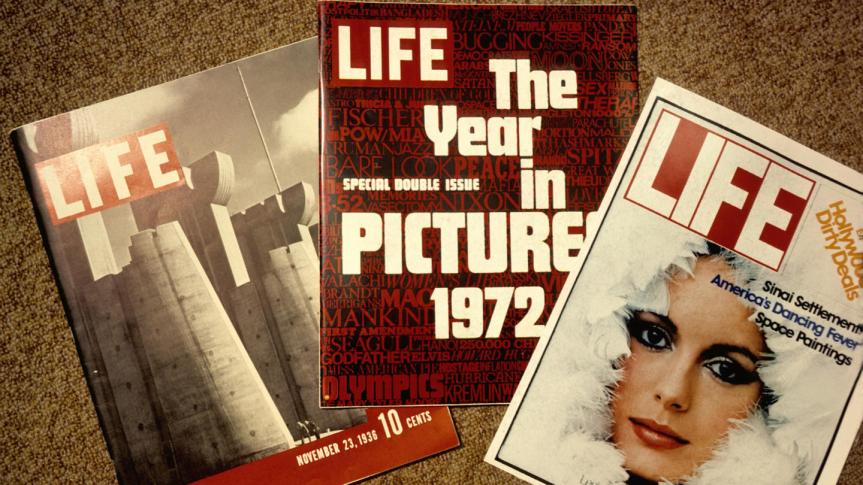
On November 23, 1936, the first issue of the pictorial magazine Life is published, featuring a cover photo of the Fort Peck Dam's spillway by Margaret Bourke-White. Life actually had its start earlier in the 20th century as a different kind of magazine: a weekly humor publication, not unlike today’s The New Yorker in its use of tart cartoons, humorous … Continue reading November 23, 1936 – First issue of “Life” is published
November 22, 1956 – The opening ceremony for the Melbourne Olympics is held
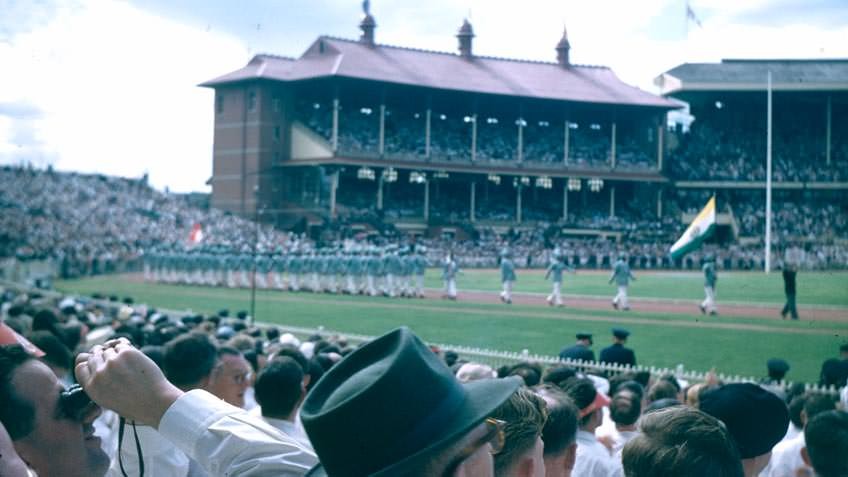
Melbourne was announced as the host city for the Games of the XVI Olympiad on 28 April 1949, beating bids from Buenos Aires, Mexico City and six other American cities by a single vote. The Olympic Games commenced with an opening ceremony on 22 November 1956. Because Melbourne is located in the southern hemisphere, the … Continue reading November 22, 1956 – The opening ceremony for the Melbourne Olympics is held
November 22, 1963 – President John F. Kennedy is assassinated
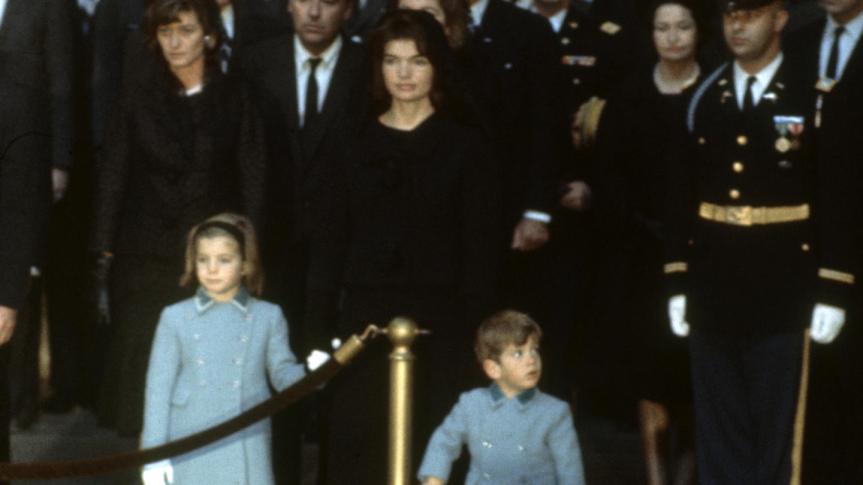
John Fitzgerald Kennedy, the 35th president of the United States, is assassinated while traveling through Dallas, Texas, in an open-top convertible. First lady Jacqueline Kennedy rarely accompanied her husband on political outings, but she was beside him, along with Texas Governor John Connally and his wife, for a 10-mile motorcade through the streets of downtown Dallas on … Continue reading November 22, 1963 – President John F. Kennedy is assassinated
November 21, 1936 – Victor Chang, Australian heart surgeon and one of the pioneers of modern heart transplantation, is born
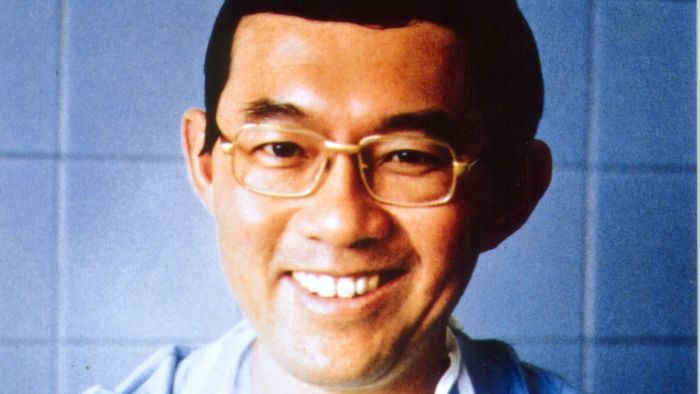
Victor Peter Chang Yam Him was born in Shanghai, China, on 21 November 1936. Chang's mother died of cancer when he was just twelve years old, and this was a deciding factor in his choice to become a doctor. He came to Australia to complete his secondary schooling in 1953, then studied medicine at the … Continue reading November 21, 1936 – Victor Chang, Australian heart surgeon and one of the pioneers of modern heart transplantation, is born
November 21, 1980 – Millions tune in to find out who shot J.R. (with video)

On November 21, 1980, 350 million people around the world tune in to television’s popular primetime drama “Dallas” to find out who shot J.R. Ewing, the character fans loved to hate. J.R. had been shot on the season-ending episode the previous March 21, which now stands as one of television’s most famous cliffhangers. The plot … Continue reading November 21, 1980 – Millions tune in to find out who shot J.R. (with video)
November 20, 1860 – Burke and Wills first reach Cooper Creek

Robert O'Hara Burke and William Wills led the expedition that was intended to bring fame and prestige to Victoria: being the first white people to cross Australia from south to north and back again. They set out on Monday, 20 August 1860, leaving from Royal Park, Melbourne, and farewelled by around 15,000 people. The exploration … Continue reading November 20, 1860 – Burke and Wills first reach Cooper Creek
November 20, 1945 – Nuremberg trials begin
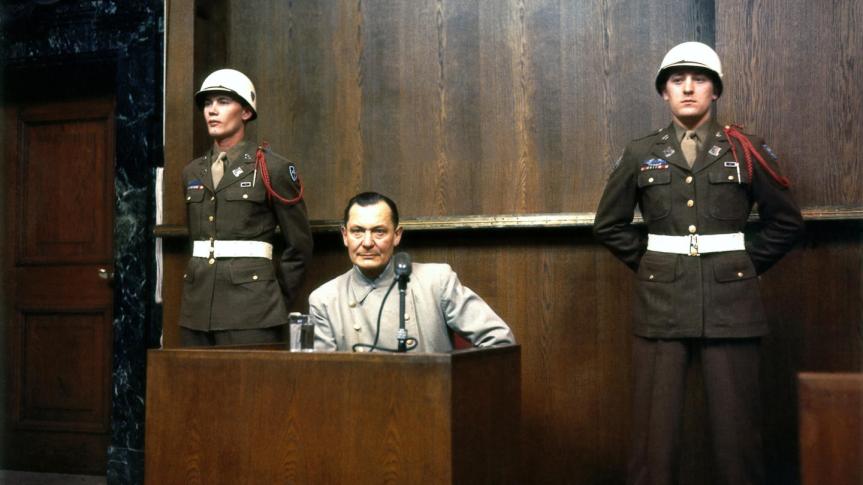
Twenty-four high-ranking Nazis go on trial in Nuremberg, Germany, for atrocities committed during World War II. The Nuremberg trials were conducted by an international tribunal made up of representatives from the United States, the Soviet Union, France and Great Britain. It was the first trial of its kind in history, and the defendants faced charges ranging from crimes against … Continue reading November 20, 1945 – Nuremberg trials begin
November 19, 1946 – Australian country music singer Slim Dusty records his first single

David Gordon "Slim Dusty" Kirkpatrick was born on 13 June 1927 in Kempsey, New South Wales, Australia. The son of a cattle farmer, he was brought up on Nulla Nulla Creek dairy farm. He wrote his first song, entitled "The Way The Cowboy Dies" at age ten and took the name "Slim Dusty" when he … Continue reading November 19, 1946 – Australian country music singer Slim Dusty records his first single
November 19, 1863 – Abraham Lincoln delivers Gettysburg Address
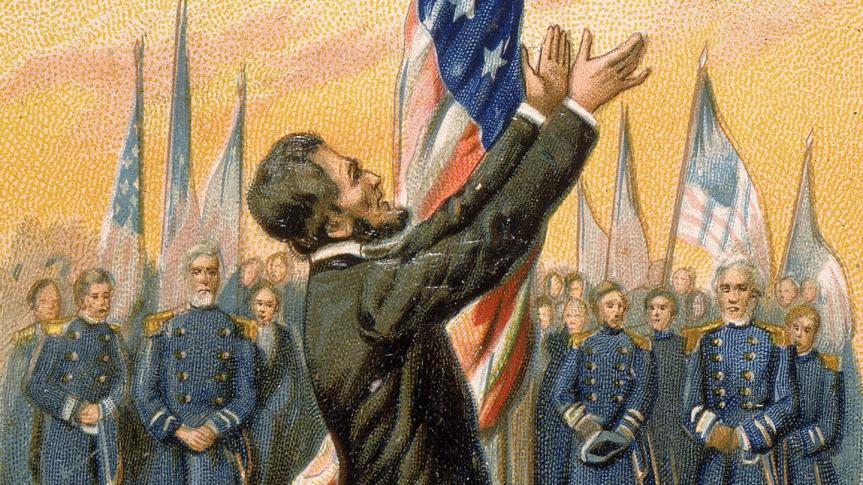
On November 19, 1863, at the dedication of a military cemetery at Gettysburg, Pennsylvania, during the American Civil War, President Abraham Lincoln delivers one of the most memorable speeches in American history. In fewer than 275 words, Lincoln brilliantly and movingly reminded a war-weary public why the Union had to fight, and win, the Civil War. The Battle of Gettysburg, fought … Continue reading November 19, 1863 – Abraham Lincoln delivers Gettysburg Address
November 18, 1879 – One of Australia’s youngest bushrangers, a 15-year-old member of Captain Moonlite’s gang, is shot and killed.
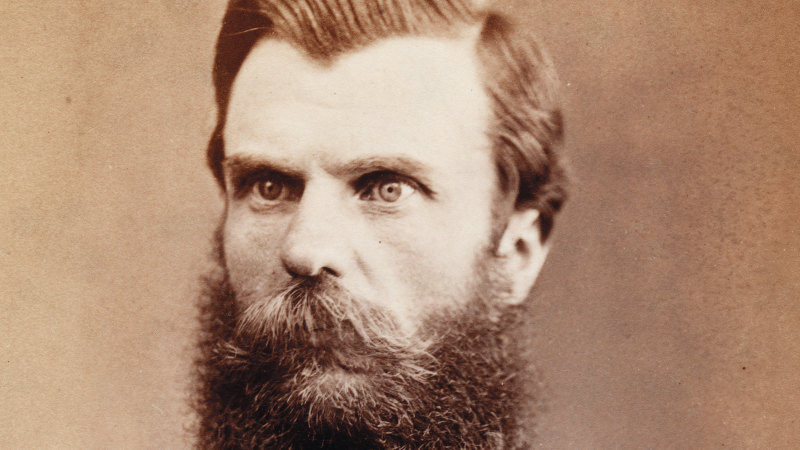
Augustus Wernicke was one of Australia's youngest bushrangers, and part of Captain Moonlite's gang. Captain Moonlite, aka Andrew George Scott, became a bushranger upon his release from gaol, eight years after robbing the bank at Mount Egerton, Victoria. He recruited several other gang members, among them 15-year-old Wernicke, and walked to New South Wales, hoping … Continue reading November 18, 1879 – One of Australia’s youngest bushrangers, a 15-year-old member of Captain Moonlite’s gang, is shot and killed.
November 18, 1978 – Mass suicide at Jonestown

On November 18, 1978, Peoples Temple founder Jim Jones leads hundreds of his followers in a mass murder-suicide at their agricultural commune in a remote part of the South American nation of Guyana. Many of Jones’ followers willingly ingested a poison-laced punch while others were forced to do so at gunpoint. The final death toll at Jonestown that day … Continue reading November 18, 1978 – Mass suicide at Jonestown
November 17, 1840 – Eyre replenishes his supplies at Fowler’s Bay, South Australia

Edward John Eyre was the first white man to cross southern Australia from Adelaide to the west, travelling across the Nullarbor Plain to King George's Sound, now called Albany. Eyre began the journey with his overseer, John Baxter, and three Aborigines, intending to cross the continent from south to north. He was forced to revise … Continue reading November 17, 1840 – Eyre replenishes his supplies at Fowler’s Bay, South Australia
November 17, 1558 – Elizabethan Age begins
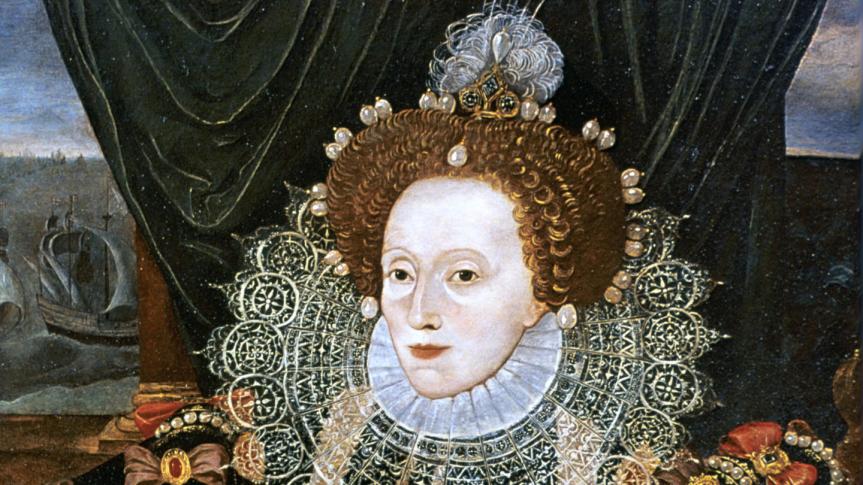
Queen Mary I, the monarch of England and Ireland since 1553, dies and is succeeded by her 25-year-old half-sister, Elizabeth. The two half-sisters, both daughters of King Henry VIII, had a stormy relationship during Mary’s five-year reign. Mary, who was brought up as a Catholic, enacted pro-Catholic legislation and made efforts to restore the pope to supremacy … Continue reading November 17, 1558 – Elizabethan Age begins
November 16, 1532 – Francisco Pizarro traps Incan emperor Atahualpa

On November 16, 1532, Francisco Pizarro, the Spanish explorer and conquistador, springs a trap on the Incan emperor, Atahualpa. With fewer than 200 men against several thousand, Pizarro lures Atahualpa to a feast in the emperor’s honor and then opens fire on the unarmed Incans. Pizarro’s men massacre the Incans and capture Atahualpa, forcing him to … Continue reading November 16, 1532 – Francisco Pizarro traps Incan emperor Atahualpa
November 15, 1867 – First stock ticker debuts

On November 15, 1867, the first stock ticker is unveiled in New York City. The advent of the ticker ultimately revolutionized the stock market by making up-to-the-minute prices available to investors around the country. Prior to this development, information from the New York Stock Exchange, which has been around since 1792, traveled by mail or messenger. … Continue reading November 15, 1867 – First stock ticker debuts
November 14, 1851 – Herman Melville publishes Moby Dick
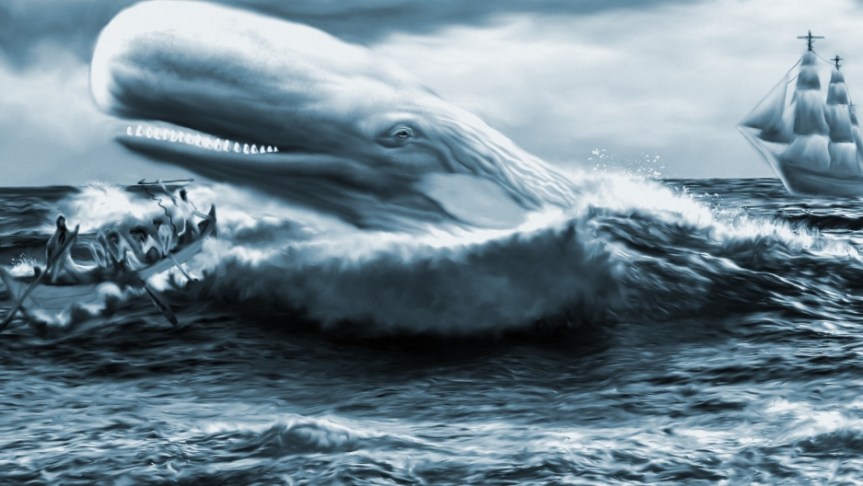
Moby-Dick is now considered a great classic of American literature and contains one of the most famous opening lines in fiction: “Call me Ishmael.” Initially, though, the book about Captain Ahab and his quest to catch a giant white whale was a flop. Its author, Herman Melville was born in New York City in 1819. As a young man, he … Continue reading November 14, 1851 – Herman Melville publishes Moby Dick
November 13, 1982 – Vietnam Veterans Memorial Dedicated in US
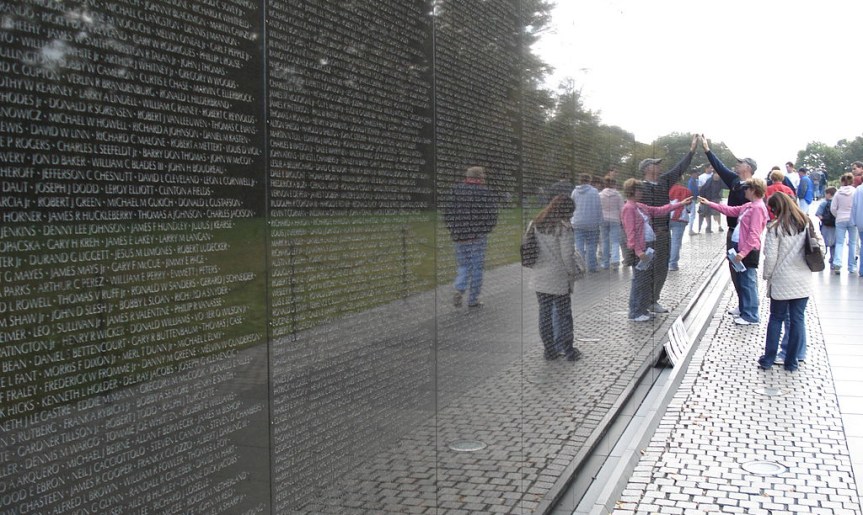
Near the end of a weeklong national salute to Americans who served in the Vietnam War, the Vietnam Veterans Memorial is dedicated in Washington, D.C. after a march to its site by thousands of veterans of the conflict. The long-awaited memorial was a simple V-shaped black-granite wall inscribed with the names of the 57,939 Americans who died in … Continue reading November 13, 1982 – Vietnam Veterans Memorial Dedicated in US
Australian democracy under threat

Two things have happened in the past two weeks that should be of great concern to all Australians. First, the Prime Minister established a “national cabinet” for the first time in our history, saying it was needed to coordinate action on the coronavirus outbreak. Second, the PM shut down Federal Parliament for at least five months, again because … Continue reading Australian democracy under threat
Climate change denials and the toilet paper wars
The fear about coronavirus seems worse than the virus itself, yet somehow the fear of climate change seems not to have hit yet. In recent weeks we have seen people fighting over toilet paper, and one man pulling a knife and getting tasered by police. This seems to have been triggered by the government telling people to stock … Continue reading Climate change denials and the toilet paper wars
Pauline Hanson was wrong on Closing the Gap
Pauline Hanson recently responded to the latest annual Closing the Gap Report. At the outset, I am not going to call her a racist – that’s a word too often used to elicit an emotive response rather than to engage in serious debate. She is, however, part of the problem with her opinions based on … Continue reading Pauline Hanson was wrong on Closing the Gap
Is China really out to rule the world? The Greentown ‘Ruling Class’
Originally published by Independent Australia
Brisbane City Council attack on Adele concert was not its greatest hit
Originally published by Independent Australia
Julie Bishop has not changed Australia’s position on the South China Sea
Originally published by New Matilda
 Craig Hill