

Albania Although the European and global public is currently focused on the Russian invasion of Ukraine, majority of political parties in the Republic of Albania are focused on the partial local elections scheduled to take place on 6 March 2022. In Albania, local elections were held on 30 June 2019. The opposition boycotted the local … Continue reading Albania 2022: “House of Freedom” vs. Drug-cartel
Putin’s War

Putin's War People across the world have been shocked by the happenings in Ukraine. A glance at all of the morning newspapers had the events there as the main headline, with Vladimir Putin, the Russian President’s name appearing prominently, Russia seldom. The television coverage is extensive. When the Swedish Vikings, who were known as the … Continue reading Putin’s War
On this day (Australia): In 1974, Cyclone Tracy devastated the city of Darwin, killing 71 people
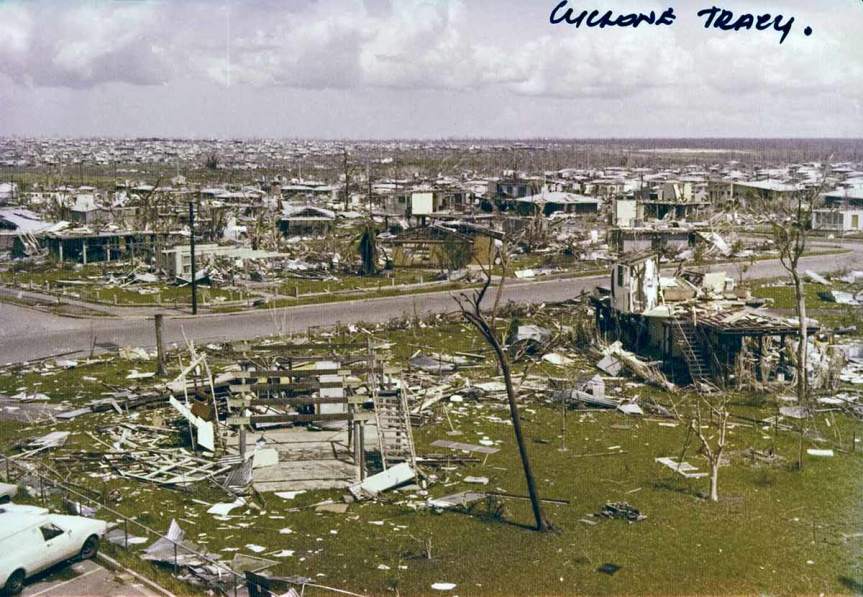
Darwin suburb of Wagaman On 24 December 1974, Cyclone Tracy devastated the city of Darwin. The official death toll was 71. Cyclone Tracy, which mostly hit Darwin in the small hours of Christmas Day 1974, killed 71 people and devastated 80 per cent of the city. In the days and weeks following the disaster, most … Continue reading On this day (Australia): In 1974, Cyclone Tracy devastated the city of Darwin, killing 71 people
On this day (Australia): In 1948, HMAS Sydney, the first aircraft carrier of the Royal Australian Navy, was commissioned
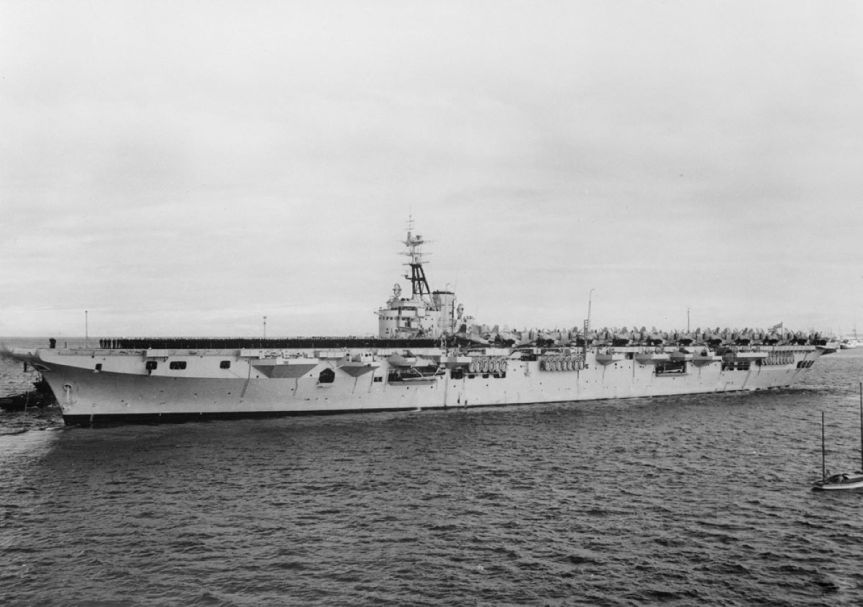
HMAS Sydney On 16 December 1948, HMAS Sydney, the first aircraft carrier of the Royal Australian Navy, was commissioned. HMAS Sydney (R17/A214/P214/L134) was a Majestic-class light aircraft carrier operated by the Royal Australian Navy (RAN). She was built for the Royal Navy and was launched as HMS Terrible (93) in 1944, but was not completed before the end of World War II. The carrier was sold to Australia in … Continue reading On this day (Australia): In 1948, HMAS Sydney, the first aircraft carrier of the Royal Australian Navy, was commissioned
On this day (Australia): In 1900, the first Governor-General, Lord Hopetoun, committed the so-called Hopetoun Blunder
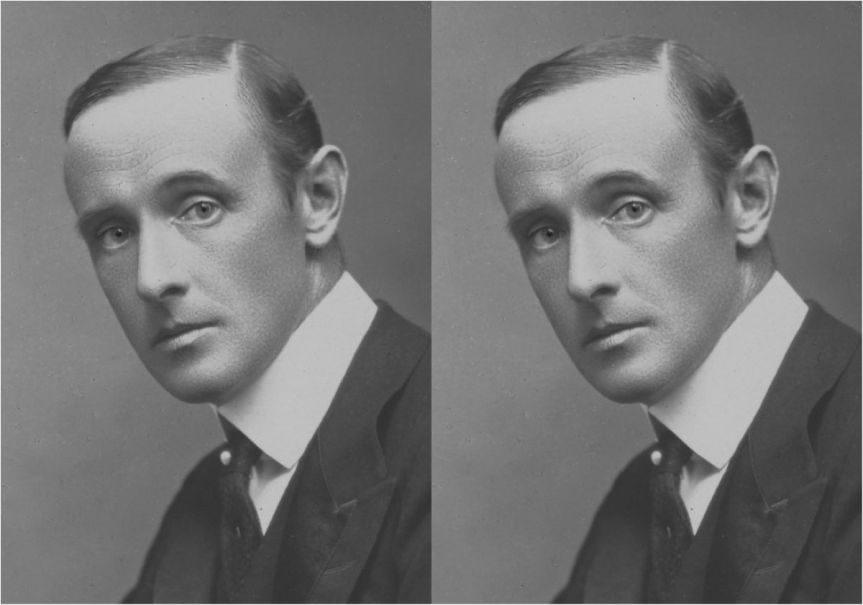
John Hope, 7th Earl of Hopetoun On 15 December 1900, upon his arrival in Australia, the first Governor-General, Lord Hopetoun, committed the so-called Hopetoun Blunder. The Hopetoun Blunder was a political event immediately prior to the Federation of the British colonies in Australia. Federation was scheduled to occur on 1 January 1901, but since the general election for the … Continue reading On this day (Australia): In 1900, the first Governor-General, Lord Hopetoun, committed the so-called Hopetoun Blunder
On this day (Australia): In 1918, the first Victorian Farmers Union member was elected to federal parliament. They would eventually become the National Party.
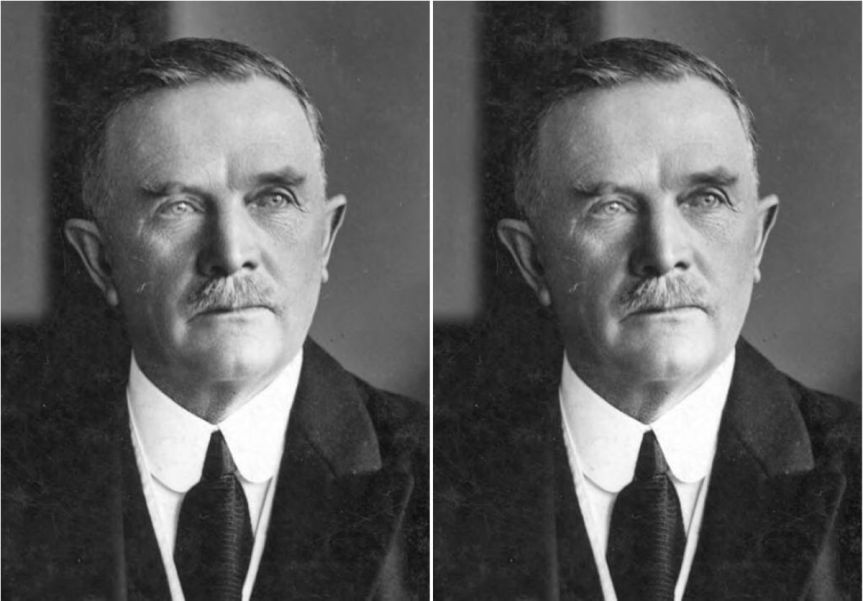
William Gibson On 14 December 1918, the first Victorian Farmers Union member was elected to parliament as a result of the introduction of preferential voting. It was later to become the National Party. The Victorian Farmers' Union (VFU) was an association of farmers and primary producers formed in 1914 in the Australian state of Victoria. Although initially formed … Continue reading On this day (Australia): In 1918, the first Victorian Farmers Union member was elected to federal parliament. They would eventually become the National Party.
On this day (Australia): In 2005, Bradley John Murdoch was convicted of murdering Peter Falconio in the Australian outback
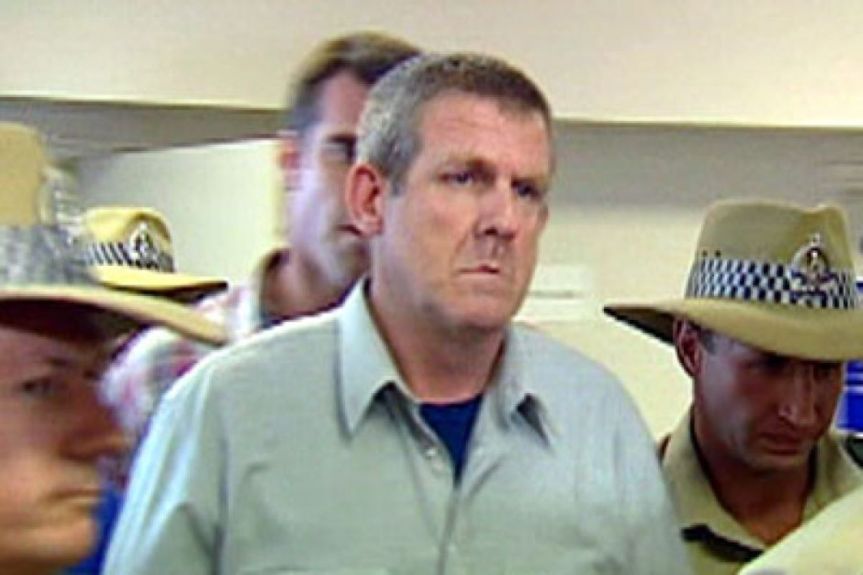
Bradley John Murdoch On 13 December 2005, Bradley John Murdoch was convicted of murdering Peter Falconio in the Australian outback whilst travelling with girlfriend Joanne Lees. Bradley John Murdoch is an Australian criminal serving life imprisonment for the July 2001 murder of English backpacker Peter Falconio in Australia. He will be 74 when eligible for parole in 2032. Murdoch is being held … Continue reading On this day (Australia): In 2005, Bradley John Murdoch was convicted of murdering Peter Falconio in the Australian outback
On this day (Australia): In 1815, Captain James Kelly set out on circumnavigation of Tasmania, during which important observations were made on the resources of the west coast
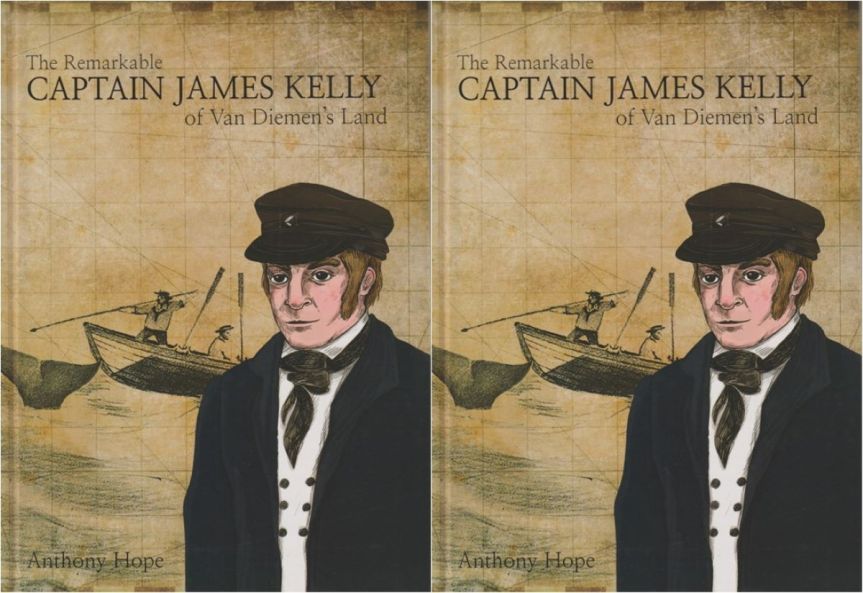
Captain James Kelly On 12 December 1815, Captain James Kelly set out on circumnavigation of Tasmania, during which important observations were made on the resources of the west coast. James Kelly, Australian mariner, explorer and port official, was born on 24 December 1791 at Parramatta, New South Wales. He was probably the son of James Kelly, … Continue reading On this day (Australia): In 1815, Captain James Kelly set out on circumnavigation of Tasmania, during which important observations were made on the resources of the west coast
On this day (Australia): In 2005, the Cronulla riots took place
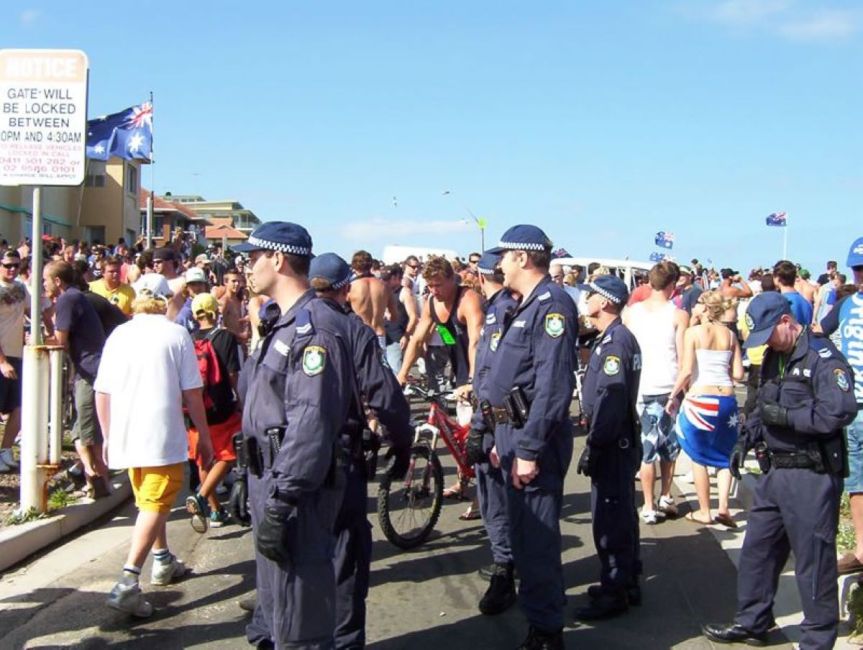
Cronulla Race Riots On 11 December 2005, the Cronulla riots took place. The 2005 Cronulla riots were a race riot in Sydney, New South Wales, Australia. It began in the beachside suburb of Cronulla on 11 December, and spread over to additional suburbs the next few nights. The riots were triggered by an event the previous Sunday, when an altercation turned physical between a … Continue reading On this day (Australia): In 2005, the Cronulla riots took place
On this day (Australia): In 1817, bushranger Michael Howe was caught, but escaped after killing his captors

Michael Howe On 10 December 1817, bushranger Michael Howe ws caught, but escaped after killing his captors. Michael Howe was a British convict who became a notorious bushranger and gang leader in Van Diemen's Land (now Tasmania), Australia. Howe was born in 1787 at Pontefract, Yorkshire, England, son of Thomas Howe and his wife Elizabeth. He served two years on a merchant vessel at Hull before deserting to … Continue reading On this day (Australia): In 1817, bushranger Michael Howe was caught, but escaped after killing his captors
On this day (Australia): In 1906, Pastor “Doug” Nicholls, of the Yorta Yorta people, and Governor of South Australia, was born

Sir Doug Nicholls On 9 December 1906, Pastor "Doug" Nicholls, of the Yorta Yorta people, and Governor of South Australia, was born. Sir Douglas Ralph Nicholls, KCVO, OBE was a prominent Aboriginal Australian from the Yorta Yorta people. He was a professional athlete, Churches of Christ pastor and church planter, ceremonial officer and a pioneering campaigner for reconciliation. Nicholls was the first Aboriginal Australian to … Continue reading On this day (Australia): In 1906, Pastor “Doug” Nicholls, of the Yorta Yorta people, and Governor of South Australia, was born
On this day (Australia): In 1988, Mabo v Queensland (No 1) in the High Court of Australia found that the Queensland Coast Islands Declaratory Act, which attempted to retrospectively abolish native title rights, was not valid

Eddie Mabo On 8 December 1988, Mabo v Queensland (1988) in the High Court of Australia found that the Queensland Coast Islands Declaratory Act, which attempted to retrospectively abolish native title rights, was not valid. Mabo v Queensland (No 1), was a significant court case decided in the High Court of Australia on 8 December 1988. It found that the Queensland … Continue reading On this day (Australia): In 1988, Mabo v Queensland (No 1) in the High Court of Australia found that the Queensland Coast Islands Declaratory Act, which attempted to retrospectively abolish native title rights, was not valid
On this day (Australia): In 1838, Thomas Bent, one of Australia’s more colourful politicians and Premier of Victoria, was born in Penrith, New South Wales.

Sir Thomas Bent In 1838, Thomas Bent was born in Penrith, New South Wales. Sir Thomas Bent KCMG was an Australian politician and the 22nd Premier of Victoria. Bent was born in Penrith, New South Wales the eldest of four sons and two daughters of James Bent, a hotel-keeper. He came to Melbourne with his parents in 1849. He went to school in … Continue reading On this day (Australia): In 1838, Thomas Bent, one of Australia’s more colourful politicians and Premier of Victoria, was born in Penrith, New South Wales.
On this day (Australia): In 1956, the Blood in the Water water polo match between Hungary and the USSR was played at the 1956 Melbourne Olympics

Hungarian water polo player Ervin Zador's eye is injured during the closing minutes of a game against the Soviets O 6 December 1956, the Blood in the Water water polo match between Hungary and the USSR was played at the 1956 Melbourne Olympics. The "Blood in the Water" match (Hungarian: melbourne-i vérfürdő lit. Blood bath of Melbourne; Russian: Кровь в бассейне, romanized: Krov' … Continue reading On this day (Australia): In 1956, the Blood in the Water water polo match between Hungary and the USSR was played at the 1956 Melbourne Olympics
On this day (Australia): In 1958, construction of Stage I of the Sydney Opera House began

Sydney Opera House On 5 December 195, construction of Stage I of the Sydney Opera House began. The Sydney Opera House is a multi-venue performing arts centre in Sydney. Located on the banks of the Sydney Harbour, it is often regarded as one of the world's most famous and distinctive buildings and a masterpiece of 20th century architecture. Designed by Danish … Continue reading On this day (Australia): In 1958, construction of Stage I of the Sydney Opera House began
On this day (Australia): In 1976, the Royal Australian Navy’s fleet of Grumman Tracker aircraft was destroyed by arson at Nowra, New South Wales
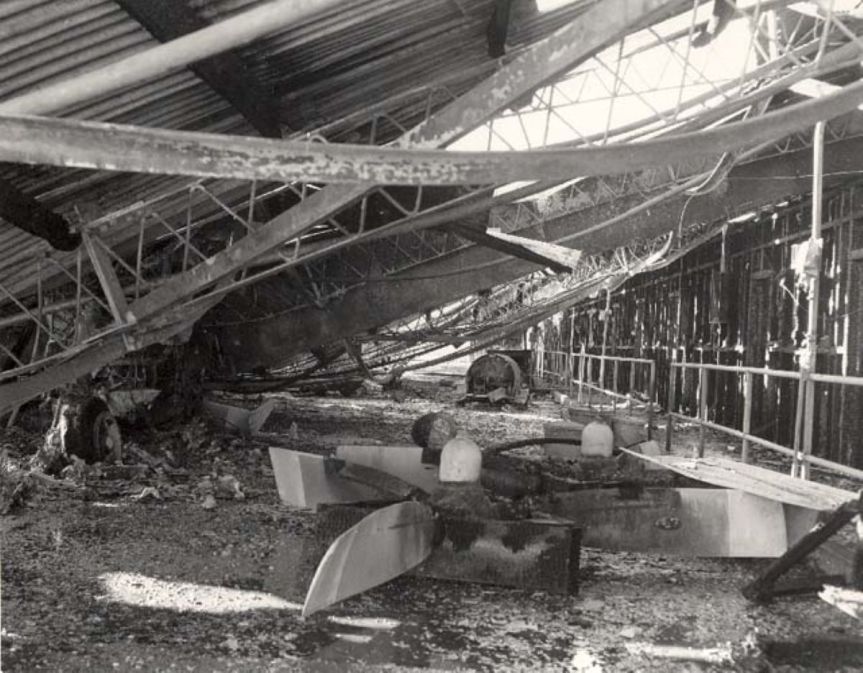
HMAS Albatross Fire 1976 On 4 December 1976, the Royal Australian Navy's fleet of Grumman Tracker aircraft was destroyed by arson at Nowra, New South Wales. On that day, a hanger, home to 12 Grumman Tracker aircraft was intentionally set on fire, destroying all but three aircraft. Six were totally destroyed, three were damaged beyond … Continue reading On this day (Australia): In 1976, the Royal Australian Navy’s fleet of Grumman Tracker aircraft was destroyed by arson at Nowra, New South Wales
On this day (Australia): In 1854, the Eureka Stockade took place

Swearing Allegiance to the Southern Cross by Charles A Doudiet On 3 December 1854, the Eureka Stockade took place. It was a rebellion of goldminers near Ballarat. On 30 November 1854 miners from the Victorian town of Ballarat, disgruntled with the way the colonial government had been administering the goldfields, swore allegiance to the Southern Cross … Continue reading On this day (Australia): In 1854, the Eureka Stockade took place
On this day (Australia): In 1972, Gough Whitlam became Prime Minister, leading the first Labor government in 23 years

Gough Whitlam making his famous "It's Time" speech during the 1972 election campaign On 2 December 1972, Gough Whitlam became Prime Minister, leading the first Labor government in 23 years. The new government proved to be resolutely reformist and enacted an unprecedented amount of legislation that would do much to create a new Australian identity … Continue reading On this day (Australia): In 1972, Gough Whitlam became Prime Minister, leading the first Labor government in 23 years
On this day (Australia): In 1982, the Commonwealth introduced the Freedom of Information Act
Freedom of Information Act 1982 On 1 December 1982, the Commonwealth introduced the Freedom of Information Act. The Freedom of Information Act 1982 (FOI) is Australian Commonwealth Freedom of Information legislation which gives members of the public rights of access to official documents of the Government of the Commonwealth and of its agencies. Members of the public have certain rights … Continue reading On this day (Australia): In 1982, the Commonwealth introduced the Freedom of Information Act
On this day (Australia): In 1878, Advance Australia Fair was first sung publicly
Advance Australia Fair On 30 November 1878, Advance Australia Fair was first sung publicly at the Highland Society of NSW's annual Scottish concert in the Protestant Hall, Sydney. "Advance Australia Fair" is the national anthem of Australia. Written by Scottish-born composer Peter Dodds McCormick, the song was first performed in 1878, sung in Australia as a patriotic song. It first … Continue reading On this day (Australia): In 1878, Advance Australia Fair was first sung publicly
On this day (Australia): In 1988, the four acts granting the Australian Capital Territory self-government were given royal assent
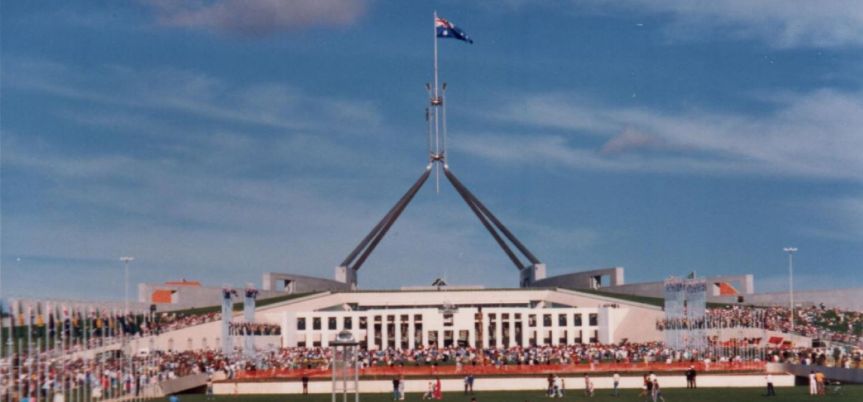
Opening of Parliament House in 1988 On 29 November 1988, the four acts granting the Australian Capital Territory self-government were given royal assent. Indigenous Australian peoples have long inhabited the area in what is now the ACT. Evidence indicates habitation dating back at least 25,000 years. It is possible that the area was inhabited for considerably longer, … Continue reading On this day (Australia): In 1988, the four acts granting the Australian Capital Territory self-government were given royal assent
On this day (Australia): In 1903, Australia had its first major oil spill, which exposed the barbarity of the White Australia Policy
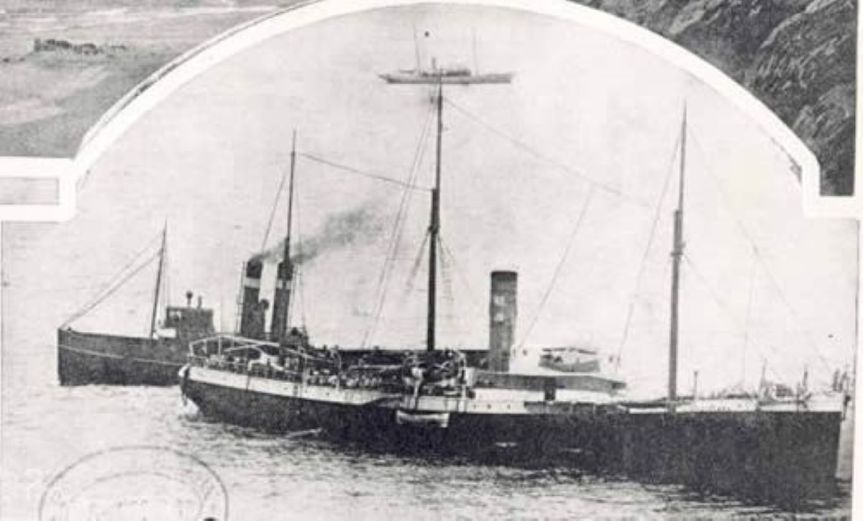
SS Petriana On 28 November 1903, the Petriana spilled 1,300 tonnes of crude oil in Port Phillip Bay. It was Australia's first recorded major oil spill. SS Petriana was an iron screw steamer built in 1879 that was converted into an oil tanker. On 28 November 1903, while transporting 1,300 tonnes of petroleum from Borneo to Australia, it struck a reef near Point Nepean, Victoria, outside … Continue reading On this day (Australia): In 1903, Australia had its first major oil spill, which exposed the barbarity of the White Australia Policy
On this day (Australia): In 1979, the first day-night ODI cricket international was played at the Sydney Cricket Ground

SCG Night Cricket 1979 On 27 November 1979, the first day-night ODI cricket international was played at the Sydney Cricket Ground. A One Day International (ODI) is a form of limited overs cricket, played between two teams with international status, in which each team faces a fixed number of overs, currently 50, with the game lasting up to 9 … Continue reading On this day (Australia): In 1979, the first day-night ODI cricket international was played at the Sydney Cricket Ground
On this day (Australia): In 1987, the National Party deposed Sir Joh Bjelke-Petersen as party leader, but he refused to resign as Premier of Queensland
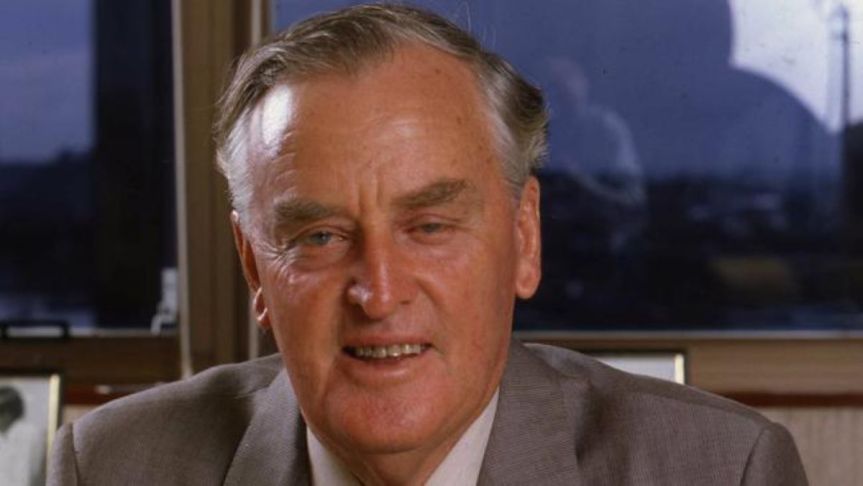
Joh Bjelke-Petersen On 26 November 1987, the National Party deposed Sir Joh Bjelke-Petersen as party leader, but he refused to resign as Premier of Queensland. He was not present at the caucus meeting. Sir Johannes Bjelke-Petersen KCMG was an Australian conservative politician. He was the longest-serving and longest-lived Premier of Queensland, holding office from 1968 to 1987, during … Continue reading On this day (Australia): In 1987, the National Party deposed Sir Joh Bjelke-Petersen as party leader, but he refused to resign as Premier of Queensland
On this day (Australia): In 1910, the Royal Australian Navy was established by the Naval Defence Act

HMAS Yarra 1910 On 25 November 1910, the Royal Australian Navy was officially established by the Naval Defence Act. The Commonwealth Naval Forces were originally established on 1 March 1901, with the amalgamation of the six separate colonial naval forces, following the Federation of Australia. The Royal Australian Navy initially consisted of the former New South Wales, … Continue reading On this day (Australia): In 1910, the Royal Australian Navy was established by the Naval Defence Act
 Craig Hill