


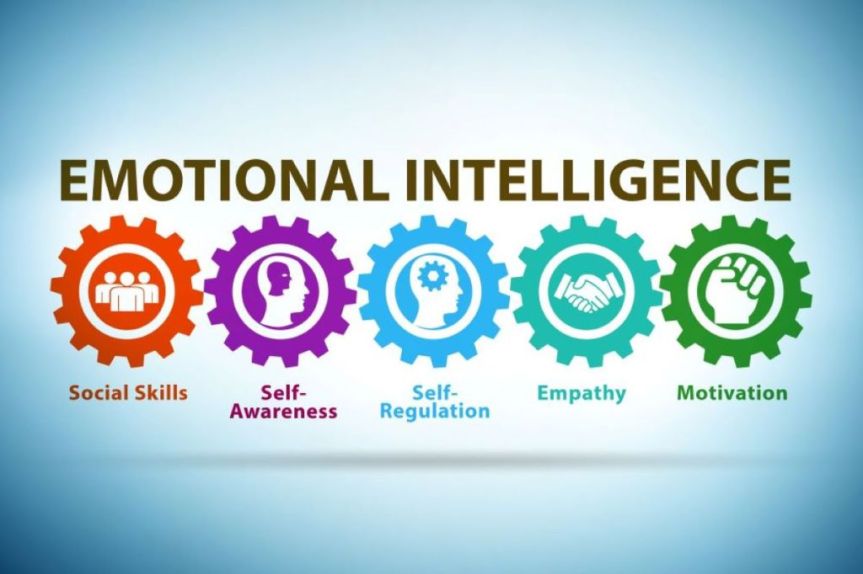
Have you ever met someone who seems to have a natural ability to connect with others and navigate difficult social situations with ease? Chances are, that person has a high level of emotional intelligence. But what exactly is emotional intelligence, and why is it so important? At its core, emotional intelligence refers to the ability … Continue reading Emotional Intelligence: What It Is and Why It Matters
Tag: Emotional Intelligence
Unleashing the power of multiple intelligences in business

The science of customer emotions



In the realm of business and marketing, understanding and leveraging customer emotions is a crucial aspect of creating memorable experiences. Customer emotions play a significant role in shaping purchasing decisions, brand loyalty, and overall satisfaction.
In this blog post, we delve into the science behind customer emotions, exploring how businesses can harness this knowledge to enhance their customer experience strategies.
- The Role of Emotions in Customer Experience: Emotions have a profound impact on human behavior, and customer experience is no exception. Studies have shown that emotions strongly influence decision-making processes, often guiding customers towards certain brands or products. Understanding the role of emotions in customer experience enables businesses to design interactions that evoke positive emotions and create lasting impressions.
. - The Science of Emotional Triggers: Emotional triggers are stimuli that evoke specific emotional responses in individuals. By identifying and leveraging these triggers, businesses can craft experiences that resonate…
View original post 425 more words
What to do when you hate your boss


Having a challenging relationship with your boss can make your work life miserable and impact your overall well-being. However, hating your boss doesn’t mean you have to suffer indefinitely.
By adopting a proactive approach and implementing strategies to improve your work environment, you can regain control and foster a healthier professional relationship. In this blog post, we will explore some effective ways to deal with a difficult boss.
- Self-reflection and perspective: Before taking any action, it’s important to examine your own feelings and motivations. Ask yourself why you feel the way you do about your boss. Consider whether it’s solely due to their actions or if there are any personal biases or frustrations involved. Reflecting on your emotions will help you approach the situation more objectively.
. - Seek support: Talking to a trusted colleague or mentor can provide valuable insights and emotional support. They may offer advice based…
View original post 453 more words
Harnessing Emotions for Successful Negotiations


Negotiations are inherently complex interactions that involve multiple parties striving to achieve their respective goals. While logic and reason play significant roles in negotiations, emotions also play a crucial part in shaping outcomes.
By recognising and effectively utilising emotions, negotiators can establish rapport, understand underlying interests, and foster mutually beneficial agreements. In this blog post, we will explore the power of emotions in negotiation and provide practical strategies to leverage them for successful outcomes.
- Establishing Rapport: Emotions are fundamental to building rapport and establishing a positive atmosphere during negotiations. Genuine warmth, empathy, and active listening can foster trust and encourage open communication. By acknowledging and validating the emotions of the other party, negotiators can create an environment where both sides feel heard and understood. This sets the stage for more productive discussions and collaborative problem-solving.
. - Recognising Emotional Triggers: Understanding emotions, both your own and those of the…
View original post 443 more words
Is it OK to cry in the office?


The workplace is a space where professionals dedicate a significant portion of their lives. It’s only natural for emotions to arise amidst the pressures and challenges encountered.
This blog post aims to address the question: Is it acceptable to cry in the office? We will explore the dynamics of emotional expression in professional settings and shed light on the evolving attitudes towards this topic.
- Embracing Emotional Authenticity: Recognising and accepting emotions as a part of the human experience is crucial. Authenticity in the workplace promotes open communication and a supportive environment. Crying can be a genuine response to stress, frustration, or personal matters, and expressing it appropriately can foster understanding and empathy among colleagues.
- Compassionate Work Cultures: Creating a compassionate work culture is essential in understanding and accommodating emotional expression. Progressive organisations recognize the importance of mental health and well-being, encouraging employees to address and manage their emotions…
View original post 243 more words
 Craig Hill