Here are some of the events that happened on this day in Australian history. Please feel free to add others that you know of in the comments section.
1797 – Following Aboriginal attacks on farms in the Hawkesbury region, Hunter dispatches a party of soldiers from the New South Wales Corps to protect settlers.
1947 – Sugar rationing ends following World War II.
1989 – The Fitzgerald Inquiry into possible illegal activities and associated police micsonduct in Queensland ends.
1994 – Death of Lew Hoad (pictured), Australian tennis player.
International Observances.
Emancipation Day (United States Virgin Islands)
Independence Day, celebrates the liberation of Minsk from Nazi occupation by Soviet troops in 1944 (Belarus)
The start of the Dog Days according to the Old Farmer’s Almanac but not according to established meaning in most European cultures
Women’s Day (Myanmar)
Thank you for reading our history post today. We hope you found…
Professional development is a key component of lifelong learning and career success. It involves actively pursuing opportunities to enhance skills, acquire knowledge, and stay abreast of industry trends.
Whether you’re an employee seeking to advance in your current role or a professional looking to explore new avenues, investing in professional development can yield numerous benefits. In this blog post, we will explore the advantages of professional development and why it is crucial for personal and professional growth.
Skill Enhancement and Knowledge Expansion: One of the primary benefits of professional development is the opportunity to enhance your skills and expand your knowledge base. By participating in workshops, training programs, and conferences, you can acquire new techniques, learn industry best practices, and stay updated with the latest advancements in your field. This continuous improvement of skills makes you more competent and valuable in the workplace. .
Career Advancement and Opportunities: Professional development…
Here are some of the events that happened on this day in Australian history. Please feel free to add others that you know of in the comments section.
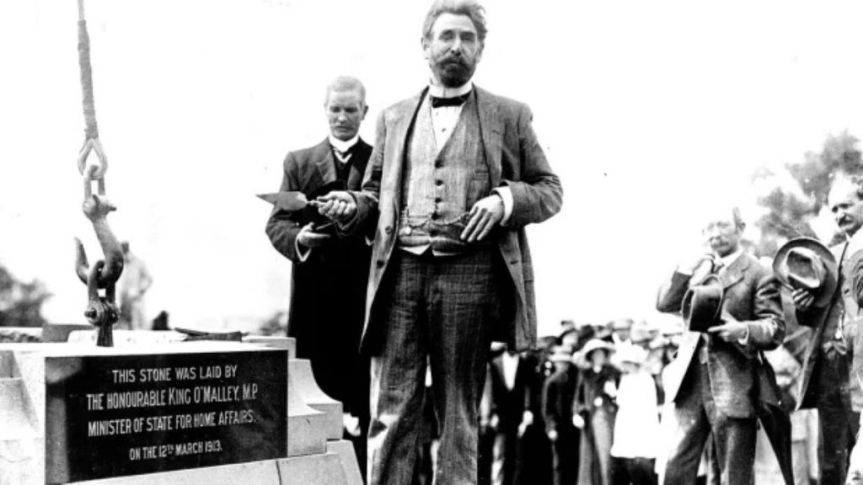
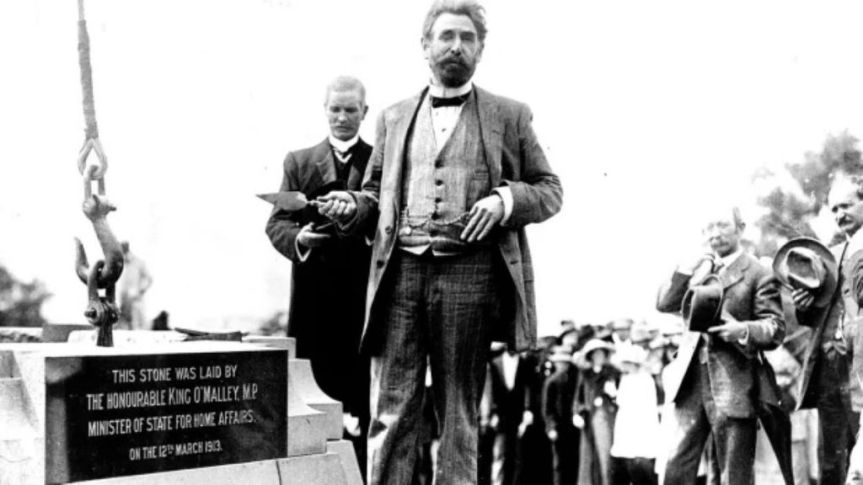
1858 – Possible birth date of King O’Malley (pictured), one of the more colourful characters of the early federal period of Australian political history. He claimed to have been born in Canada which would have made him a British subject, if he was born in Vermont, as was likely, he would have been ineligible for a seat in Australian parliament.
1974 – Birth date of Matthew Reilly, Australian thriller writer.
International Observances.
Flag Day (Curaçao)
Palio di Provenzano (Siena, Italy)
Police Day (Azerbaijan)
Thank you for reading our history post today. We hope you found it interesting. If you’re interested in any of our courses, or our micro-credentials, please complete the following form.
In today’s hyperconnected world, where social media platforms dominate our lives, the concept of customer social identity has gained immense significance. It goes beyond a mere transactional relationship between businesses and customers, highlighting the power of personal and group identities in shaping consumer behaviour and loyalty.
Understanding and leveraging customer social identity can help businesses build lasting connections, foster brand advocacy, and create a strong community of loyal customers. In this blog post, we delve into the essence of customer social identity and explore how it can be harnessed to enhance customer experiences and drive business success.
Defining Customer Social Identity: Customer social identity refers to the way individuals perceive themselves and relate to groups or communities based on shared characteristics, values, and interests. These identities can be formed around a range of factors, including demographics, hobbies, cultural background, beliefs, and affiliations. Importantly, customer social identity goes beyond traditional…
In today’s interconnected world, managing a global workforce has become a common reality for many organisations. While it presents numerous opportunities, it also poses unique challenges that require a thoughtful and strategic approach.
This blog post explores effective strategies for successfully managing a global workforce, taking into account the diverse cultural, geographic, and logistical aspects of such an undertaking.
Embrace Cultural Diversity: Cultural diversity is a strength that can drive innovation and creativity within a global team. Encourage open dialogue, respect different perspectives, and foster an inclusive work environment that values diversity. By embracing cultural differences, you can harness the power of varied experiences and ideas. .
Communication and Collaboration: Effective communication is the cornerstone of managing a global workforce. Utilise a variety of communication tools such as video conferencing, instant messaging, and project management platforms to bridge the distance between team members. Establish clear guidelines for virtual meetings, response…
Social network theory, derived from the field of sociology, has gained significant recognition for its application in understanding relationships and interactions within social structures.
In the realm of business, harnessing the principles of social network theory can offer valuable insights into collaboration, information flow, innovation, and overall organisational effectiveness. In this blog post, we will explore how social network theory can be leveraged to drive success and growth in the business world.
Mapping and Analysing Networks: Social network theory emphasises the importance of visualising and analysing networks of relationships within organisations. By mapping connections and identifying key individuals or groups, businesses can gain a deeper understanding of communication patterns, information flow, and collaboration dynamics. This knowledge can help optimise decision-making processes, improve knowledge sharing, and enhance organisational efficiency. .
Leveraging Social Capital: Social network theory recognises the value of social capital, which refers to the resources embedded within social relationships…
Here are some of the events that happened on this day in Australian history. Please feel free to add others that you know of in the comments section.
1888 – Birth date of Melbourne gangster Squizzy Taylor.
1939 – Birth date of cricketer Alan Connolly.
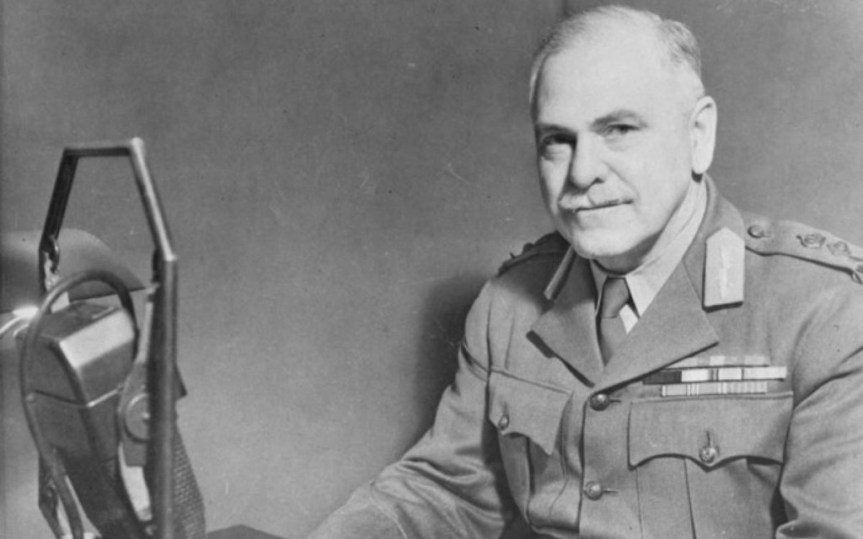
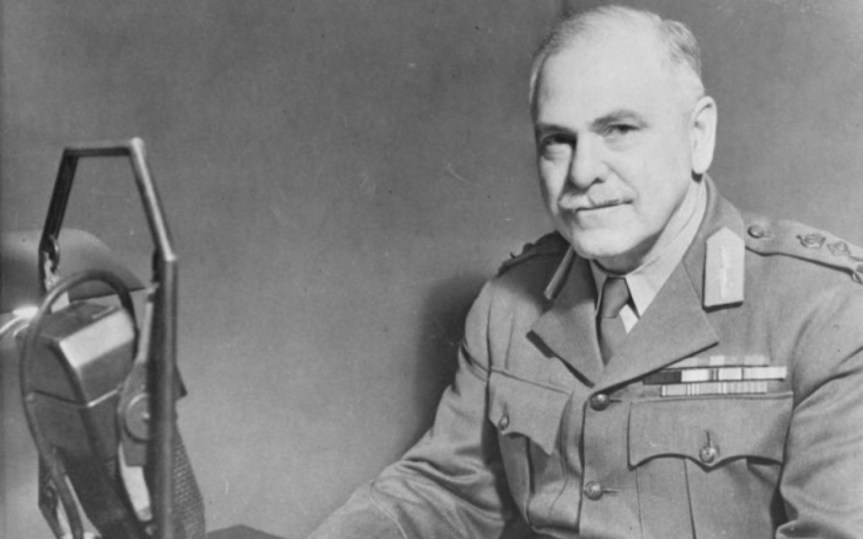
1942 – General Thomas Blamey (pictured) reorganises the army for the defence of Australia.
International Observances.
Engineer’s Day (Ecuador)
Independence Day (Seychelles), celebrates the independence of Seychelles from the United Kingdom in 1976.
Veterans’ Day (Netherlands)
National Statistics Day (India)
Thank you for reading our history post today. We hope you found it interesting. If you’re interested in any of our courses, or our micro-credentials, please complete the following form.
Pitching a brilliant idea in a business context requires careful planning, persuasive communication, and a strategic approach. Here’s a step-by-step guide on how to effectively pitch your brilliant idea in a business setting:
Understand your audience: Before pitching your idea, research and understand the needs, goals, and challenges of the individuals or decision-makers you’ll be presenting to. Tailor your pitch to address their specific concerns and interests. .
Start with a compelling hook: Begin your pitch with a captivating opening that grabs attention and generates interest. It could be a thought-provoking question, a surprising statistic, or a compelling anecdote that relates to the problem your idea aims to solve. .
Clearly define the problem or opportunity: Clearly articulate the problem or opportunity that your idea addresses. Provide context, facts, and examples to help the audience understand the significance and relevance of the issue. .
Here are some of the events that happened on this day in Australian history. Please feel free to add others that you know of in the comments section.
1880 – Ned Kelly (pictured) is captured at Glenrowan, Victoria; Dan Kelly, Steve Hart and Joe Byrne are killed.
1894 – A Colonial Conference held in Ottawa, Canada, resolved to lay a telegraph cable between Canada and Australia.
1919 – Prime minister Billy Hughes signs the Treaty of Versailles on Australia’s behalf. Australia gained mandate over German New Guinea.
1981 – Painter Russell Drysdale dies.
International Observances.
Constitution Day (Ukraine)
Poznań Remembrance Day (Poland)
Vidovdan, celebrating St. Vitus and an important day in Serbian history. (Eastern Orthodox Church)
Thank you for reading our history post today. We hope you found it interesting. If you’re interested in any of our courses, or our micro-credentials, please complete the following form.
As we step further into the 21st century, the world is experiencing rapid technological advancements, increasing globalisation, and unprecedented levels of complexity. In this dynamic landscape, the role of leaders has evolved significantly.
To effectively navigate these challenges and seize opportunities, leaders must adopt a new set of skills, mindset, and strategies. In this blog post, we will explore the key attributes and approaches required to lead successfully in the 21st century.
Embracing Change and Adaptability: In the 21st century, change is the only constant. Leaders must be comfortable with ambiguity and demonstrate adaptability in the face of evolving circumstances. They should foster a culture that encourages experimentation, continuous learning, and a willingness to embrace new ideas. By fostering a culture of adaptability, leaders can inspire their teams to be agile, innovative, and resilient. .
Cultivating Emotional Intelligence: Leadership in the 21st century demands a high level of…
Here are some of the events that happened on this day in Australian history. Please feel free to add others that you know of in the comments section.
1863 – James McCulloch, the fifth Premier of Victoria, takes office.
1911 – The Royal Military College, Duntroon (pictured) opened.
1949 – A coal strike involving 23,000 miners began. It lasted for seven weeks until Australian military forces were used to break the strike; the first time such a thing had happened in peace-time Australia.
1987 – Former federal Liberal Party leader Billy Snedden is found dead from a heart attack in a motel room.
2001 – The Intelligence Services Act 2001 introduced into Parliament, providing a legislative basis for the Australian Secret Intelligence Service (ASIS) and the Defence Signals Directorate (DSD), both of which had been previously established by executive order.
In the rapidly evolving digital landscape, where information is abundant and attention spans are fleeting, the ability to understand and leverage context has become a crucial skill. Contextual intelligence, the capacity to perceive and interpret situational cues, allows individuals and organisations to make informed decisions, adapt to changing circumstances, and create meaningful connections.
In this blog post, we explore the significance of contextual intelligence in today’s world and delve into how it can be harnessed to unlock new opportunities and drive success.
The Essence of Contextual Intelligence: Contextual intelligence goes beyond mere data analysis or accumulation of knowledge. It involves the integration of various factors, such as environmental cues, historical background, cultural nuances, and individual perspectives, to gain a holistic understanding of a situation. It enables individuals to recognise patterns, discern hidden meanings, and make informed judgments that account for the complexity of real-world scenarios. .
Here are some of the events that happened on this day in Australian history. Please feel free to add others that you know of in the comments section.
1797 – HMS Reliance arrives in Sydney from the Cape of Good Hope, carrying stores ordered by Governor Hunter and merino sheep imported by John Macarthur.
1916 – William Jackson awarded the Victoria Cross for his actions in a raid near Armentières, France.
1918 – SS Wimmera struck a mine off Gabo Island laid by the German raider Wolf and sank.
In today’s dynamic and competitive work environment, organisations are constantly seeking ways to enhance employee productivity, engagement, and overall performance. Two crucial aspects that significantly impact organisational success are employee entitlement and proactive work behaviours.
While these concepts may appear contradictory at first, striking the right balance between them can create a thriving workplace culture. This blog post aims to explore the relationship between employee entitlement and proactive work behaviours, highlighting their importance and providing insights on fostering a harmonious and productive work environment.
Understanding Employee Entitlement: Employee entitlement refers to the belief or expectation that individuals deserve certain privileges, rewards, or benefits simply by virtue of their employment.
While a certain degree of entitlement can motivate employees and boost their self-esteem, excessive entitlement can lead to negative outcomes such as entitlement attitudes, decreased motivation, and reduced job satisfaction. It is crucial for organisations to address entitlement issues effectively while…
Here are some of the events that happened on this day in Australian history. Please feel free to add others that you know of in the comments section.
1852 – The Murrumbidgee River flooded Gundagai, New South Wales killing 89 of the population of 250. The town was moved to higher ground.
1867 – Bushrangers the Clarke brothers executed in Sydney.
1908 – Art Gallery of Western Australia (pictured) opens.
1912 – Landscape gardener and botanist William Guilfoyle died.
International Observances.
Arbor Day (Philippines)
Independence Day, celebrates the independence of Mozambique from Portugal in 1975.
National Catfish Day (United States)
Statehood Day (Slovenia)
Statehood Day (Virginia)
Teacher’s Day (Guatemala)
World Vitiligo Day
Thank you for reading our history post today. We hope you found it interesting. If you’re interested in any of our courses, or our micro-credentials, please complete the following form.
Globalisation has been a driving force in reshaping the business landscape over the past few decades, with Asia emerging as a major hub for investment, manufacturing, and trade. However, as we move further into the 21st century, another continent is increasingly capturing the attention of global businesses: Africa.
With its vast resources, youthful population, and improving economic conditions, Africa is poised to become the next frontier for global business expansion. In this blog post, we will explore the potential of Africa and why it could be the next Asia in terms of economic growth and business opportunities.
Demographic Advantage: Africa is home to the world’s youngest population, with over 60% of its population under the age of 25. This demographic advantage presents a massive consumer market and a significant pool of potential workers. As this young population enters the workforce and gains purchasing power, it creates a tremendous opportunity…
Engaging in difficult or stressful conversations is an inevitable part of life. Whether it’s a disagreement with a loved one, a challenging discussion with a coworker, or negotiating a tough situation, these conversations can often leave us feeling anxious and overwhelmed.
However, with the right strategies and mindset, you can navigate these conversations with confidence and achieve more positive outcomes. In this blog post, we will explore some valuable tips to help you deal with stressful conversations effectively.
Prepare Yourself Mentally: Before entering a stressful conversation, it’s essential to prepare yourself mentally. Acknowledge your emotions, but try to remain calm and composed. Take a few deep breaths, center yourself, and remind yourself that the goal is constructive communication, not winning an argument. Cultivating a positive mindset will help you approach the conversation with empathy and understanding. .
Choose the Right Time and Place: Timing and environment play a…
Here are some of the events that happened on this day in Australian history. Please feel free to add others that you know of in the comments section.
1860 – Sir Baldwin Spencer, the first person to study Australia anthropology, was born in Britain.
1903 – The first Australian postage stamps are issued, replacing pre-federation colonial stamps.
1979 – The Eastern Suburbs railway line is opened.
2000 – A fire at a backpacker hostel at Childers, Queensland (pictured) kills 15.
International Observances.
Father’s Day (Nicaragua, Poland)
Grand Duke’s Official Birthday (Luxembourg)
International Widows Day (international)
National Day of Remembrance for Victims of Terrorism (Canada)
Okinawa Memorial Day (Okinawa Prefecture)
Saint John’s Eve and the first day of the Midsummer celebrations [although this is not the real summer solstice; see June 20] (Roman Catholic Church, Europe): – Bonfires of Saint John (Spain) – First night of Festa de São João do…
In today’s interconnected world, the path of entrepreneurship knows no boundaries. With technology breaking down barriers and markets becoming increasingly globalised, aspiring entrepreneurs have unprecedented opportunities to launch and expand businesses on a global scale.
Becoming a global entrepreneur is an exhilarating endeavour that requires vision, strategic thinking, and adaptability. In this blog post, we will explore the steps and mindset required to embark on the journey of becoming a successful global entrepreneur.
Define your Passion and Expertise: Passion and expertise are the cornerstones of entrepreneurial success. Identify your areas of interest and leverage your expertise to identify potential business opportunities. By aligning your passion with your business venture, you will have the motivation and determination to overcome challenges on the global stage. .
Embrace a Global Mindset: A global mindset is crucial for navigating diverse cultural, economic, and regulatory landscapes. Cultivate an open-minded approach to embrace different…
Here are some of the events that happened on this day in Australian history. Please feel free to add others that you know of in the comments section.
1896 – The second Victoria Bridge is opened in Brisbane by the Governor of Queensland, Lord Lamington. The previous bridge was destroyed by floodwaters.
1903 – Garfield Barwick, Chief Justice of the High Court of Australia is born in Sydney.
1926 – The Council for Scientific Research (CSIR) formed; later became the Commonwealth Scientific and Industrial Research Organisation.
1938 – Poet C. J. Dennis (pictured) died.
1957 – Garry Gary Beers, bassist for INXS is born.
1977 – The Uniting Church of Australia is formed from the Methodist, Congregational and Presbyterian Churches.
International Observances.
Anti-Fascist Struggle Day (Croatia)
Day of Remembrance of the Victims of the Great Patriotic War (Belarus)
Leadership is a multifaceted concept that encompasses various styles and approaches. Different situations call for different leadership styles, and understanding and utilising these styles appropriately can significantly impact a leader’s effectiveness and the outcomes achieved.
In this blog post, we will explore different leadership styles and how they can be harnessed to drive success and achieve desired results.
Autocratic Leadership: Autocratic leadership involves centralised decision-making and strict control by the leader. While this style may seem rigid, it can be effective in situations where quick decisions and clear directions are required. Autocratic leaders take charge, provide explicit instructions, and expect immediate compliance. This style is best suited for urgent and critical situations where there is little room for debate or collaboration. .
Democratic Leadership: Democratic leadership emphasises the involvement of team members in the decision-making process. Leaders who adopt this style encourage open communication, seek input from their…




































 Craig Hill