
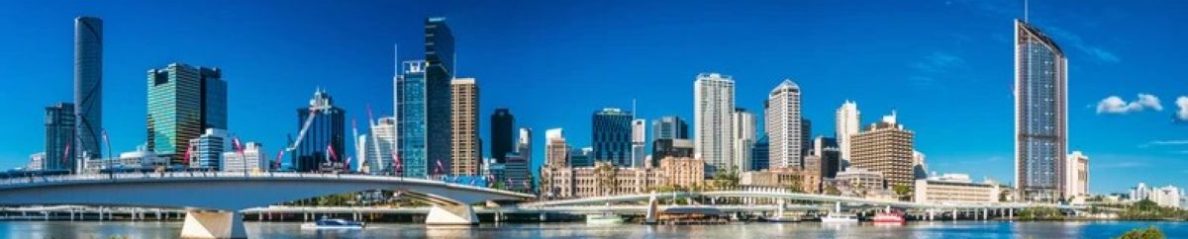
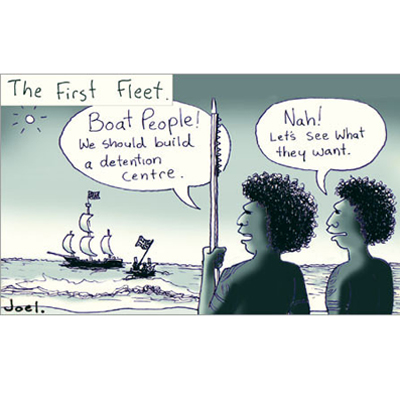
On January 26th 1788, Captain Arthur Phillip guided a fleet of 11 British ships carrying convicts to the colony of New South Wales, effectively founding Australia. After overcoming a period of hardship, the fledgling colony began to celebrate the anniversary of this date with great fanfare. Australia, once known as New South Wales, was originally … Continue reading January 26 1788 First British Settlement In Australia
Tag: History
January 25 1919 The League Of Nations Formed
On January 25th 1919, the League of Nations, the forerunner to the United Nations, was formed. The league was formed out of the reconciliation process of World War I at the Paris Peace Conference in 1919. The use of such a league marked a significant departure from the inter-national relations of the previous 100 years, … Continue reading January 25 1919 The League Of Nations Formed
January 24 1925 Alfred Hitchcock’s First Film
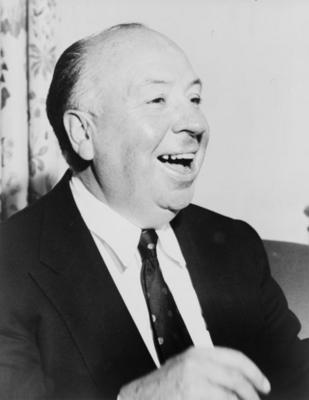
On January 24 1925, Alfred Hitchcock's first feature film, The Pleasure Garden. The film was a commercial failure, however it propelled the aspiring director into the thriller genre, which would make him one of the most influential directors of the 20th century. Hitchcock landed the film after being turned down for another film, The Rat, … Continue reading January 24 1925 Alfred Hitchcock’s First Film
January 23 1943 Warsaw Ghetto Uprising Ends
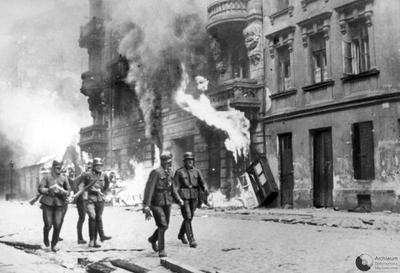
On January 23rd 1943, the first armed insurgency orchestrated by the Jewish, as part of the Warsaw Ghetto Uprising, came to an end. The Jewish ghetto in Warsaw, Poland had been in existence since 1939 and was the largest such ghetto formed by the German government under Nazi administration. With the beginning of deportations to … Continue reading January 23 1943 Warsaw Ghetto Uprising Ends
January 22 1840 Annexation of New Zealand
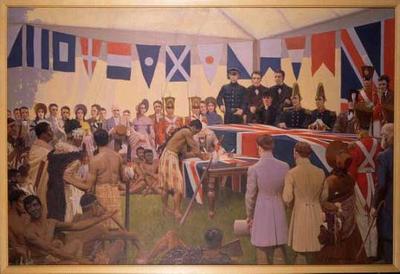
On January 22nd 1840, New Zealand was officially annexed to Britain, marking the transformation of the country's tribal society into a unified British colony. The annexation is historically significant not only for the country's own pride, but also in terms of global diplomacy. In contrast to Australia and many other British colonies, New Zealand was … Continue reading January 22 1840 Annexation of New Zealand
January 21 1977 President Carter Pardons Draft Dodgers
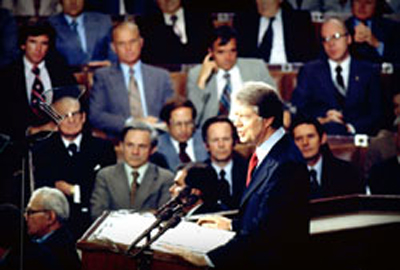
On January 21st 1977, US President Jimmy Carter granted an unconditional pardon to hundreds of thousands of men who evaded the draft during the Vietnam War. In total, some 100,000 young Americans went abroad in the late 1960s and early 70s to avoid serving in the war. Ninety percent went to Canada, where after some … Continue reading January 21 1977 President Carter Pardons Draft Dodgers
January 20 1783 Cessation Of Hostilities Signed During American Revolutionary War
On January 20th 1783, the British and U.S. commissioners signed a preliminary "Cessation of Hostilities," which led to the Treaty of Paris and Treaty of Versailles, thus ending the Revolutionary War. The agreement: Declarations for Suspension of Arms and Cessation of Hostilities, signed at Versailles January 20, 1783. Both original declarations in French, and American … Continue reading January 20 1783 Cessation Of Hostilities Signed During American Revolutionary War
January 19 1809 Edgar Allan Poe Is Born
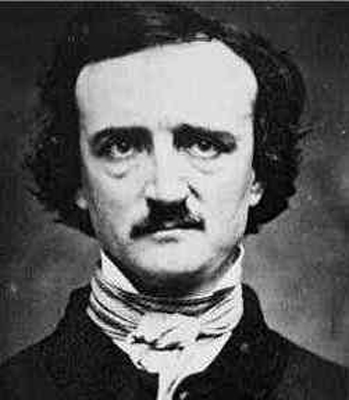
On January 19th 1809, poet, author and literary critic Edgar Allan Poe was born in Boston, Massachusetts. By the time he was three years old, both of Poe's parents had died, leaving him in the care of his godfather, John Allan, a wealthy tobacco merchant. After attending school in England, Poe entered the University of … Continue reading January 19 1809 Edgar Allan Poe Is Born
January 18 1919 Post World War I Peace Conference Begins In Paris
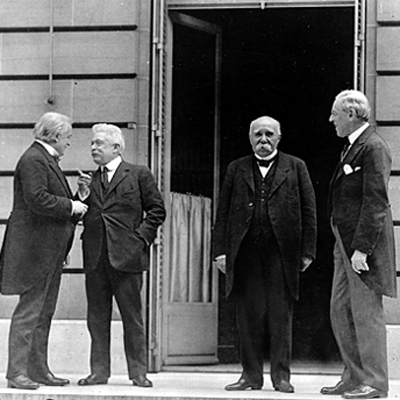
On January 18th 1919, in Paris, France, some of the most powerful people in the world met to begin the long, complicated negotiations that would officially mark the end of the First World War. Leaders of the victorious Allied powers (France, Great Britain, the United States and Italy) would make most of the crucial decisions … Continue reading January 18 1919 Post World War I Peace Conference Begins In Paris
January 17 1950 Boston Thieves Commit Historic Robbery
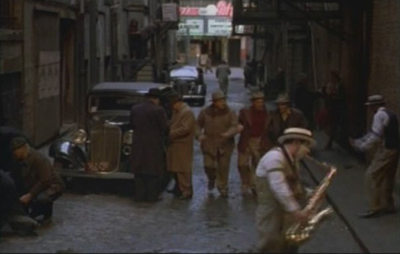
On January 17th 1950, 11 men stole more than $2 million from the Brinks Armored Car depot in Boston, Massachusetts. It was almost the perfect crime, as the culprits weren't caught until January 1956, just days before the statute of limitations for the theft expired. The robbery's mastermind was Anthony "Fats" Pino, a career criminal … Continue reading January 17 1950 Boston Thieves Commit Historic Robbery
January 16 1919 Prohibition Takes Effect
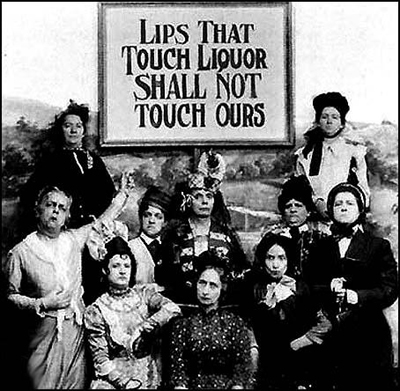
On January 16th 1919, the 18th Amendment to the U.S. Constitution, prohibiting the "manufacture, sale, or transportation of intoxicating liquors for beverage purposes," is ratified, and becomes the law of the land. The movement for the prohibition of alcohol began in the early 19th century, when Americans concerned about the adverse effects of drinking began … Continue reading January 16 1919 Prohibition Takes Effect
January 15 1967 Packers Face Chiefs In First Super Bowl
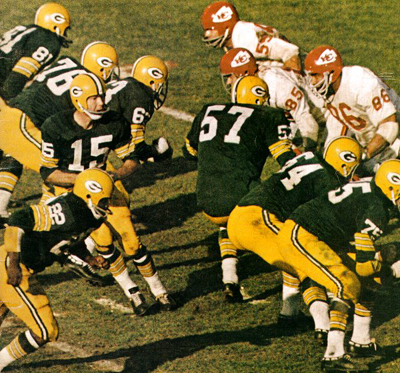
On January 15th 1967, at the Los Angeles Coliseum, the Green Bay Packers beat the Kansas City Chiefs in the first-ever world championship game of American football. In the mid-1960s, the intense competition for players and fans between the National Football League (NFL) and the upstart American Football League (AFL) led to talks of a … Continue reading January 15 1967 Packers Face Chiefs In First Super Bowl
January 14 1875 Albert Schweitzer Born
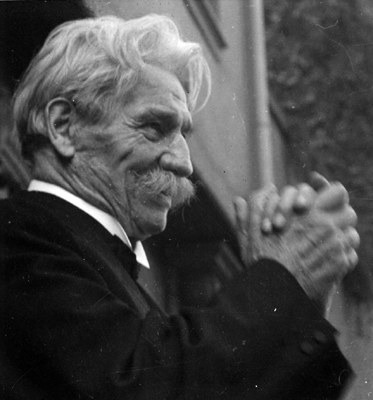
On January 14th 1875, the theologian, musician, philosopher and Nobel Prize-winning physician Albert Schweitzer was born in Upper-Alsace, Germany (now Haut-Rhin, France). The son and grandson of ministers, Schweitzer studied theology and philosophy at the universities of Strasbourg, Paris and Berlin. After working as a pastor, he entered medical school in 1905 with the dream … Continue reading January 14 1875 Albert Schweitzer Born
January 13 1128 Pope Recognises Knights Templar
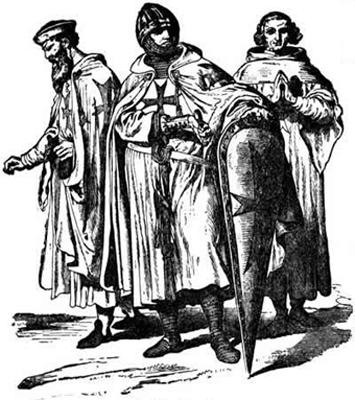
On January 13th 1128, Pope Honorius II granted a papal sanction to the military order known as the Knights Templar, declaring it to be an army of God. Led by the Frenchman Hughes de Payens, the Knights Templar organisation was founded in 1118. Its self-imposed mission was to protect Christian pilgrims on their way to … Continue reading January 13 1128 Pope Recognises Knights Templar
January 12 1926 Amos N Andy On Chicago Radio
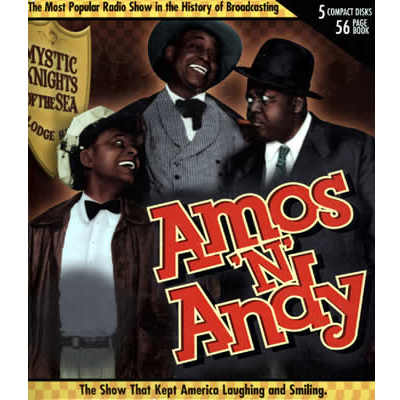
On January 12th 1926, the two-man comedy series "Sam 'n' Henry" debuted on Chicago's WGN radio station. Two years later, after changing its name to "Amos 'n' Andy," the show became one of the most popular radio programs in American history. It later, for a time, became one of the most controversial. It also lead … Continue reading January 12 1926 Amos N Andy On Chicago Radio
January 11 1908 Grand Canyon Becomes National Monument
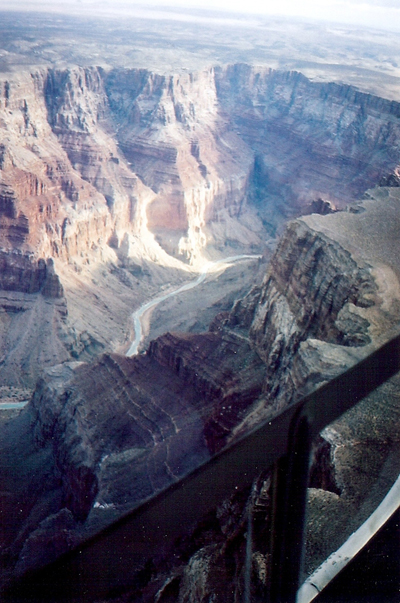
On January 11th 1908, U.S. President Theodore Roosevelt declared the massive Grand Canyon in northwestern Arizona a national monument. Though Native Americans lived in the area as early as the 13th century, the first European sighting of the canyon wasn't until 1540, by members of an expedition headed by the Spanish explorer Francisco Vasquez de … Continue reading January 11 1908 Grand Canyon Becomes National Monument
January 10 1901 American Oil Industry Begins
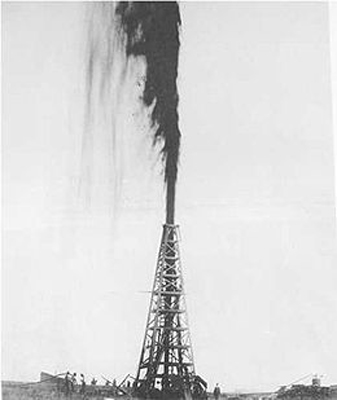
On January 10th 1901, a drilling derrick at Spindletop Hill near Beaumont, Texas, produced an enormous gusher of crude oil, coating the landscape for hundreds of feet and signaling the advent of the American oil industry. The geyser was discovered at a depth of over 1,000 feet, flowed at an initial rate of approximately 100,000 … Continue reading January 10 1901 American Oil Industry Begins
January 9 1493 Columbus Mistakes Manatees For Mermaids
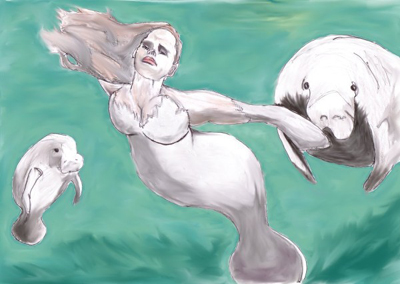
On January 9th 1493, Italian explorer Christopher Columbus, sailing near the Dominican Republic, saw three "mermaids" (in reality manatees) and describes them as "not half as beautiful as they are painted." Six months earlier, Columbus (1451-1506) had set off from Spain across the Atlantic Ocean with the Nina, Pinta and Santa Maria, hoping to find … Continue reading January 9 1493 Columbus Mistakes Manatees For Mermaids
January 8 1877 Crazy Horse Fights Last Battle
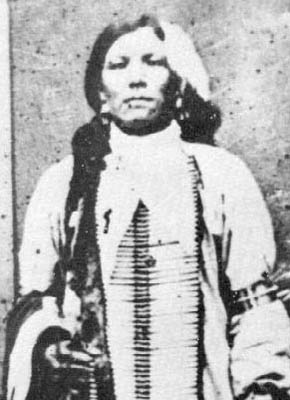
On January 8th 1877, Crazy Horse and his warriors, outnumbered, low on ammunition and forced to use outdated weapons to defend themselves fought their final losing battle against the US Cavalry in Montana. Six months earlier, in the Battle of Little Bighorn, Crazy Horse and his ally, Chief Sitting Bull, led their combined forces of … Continue reading January 8 1877 Crazy Horse Fights Last Battle
January 7 1789 First US Presidential Election
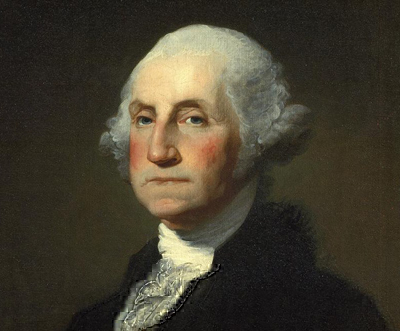
On January 7th 1789, America's first presidential election was held, when voters cast ballots to choose state electors. Only white men who owned property were allowed to vote, and as expected, George Washington won the election and was sworn into office on April 30th, 1789. As it did in 1789, the United States still uses … Continue reading January 7 1789 First US Presidential Election
January 6 1838 Samuel Morse Demonstrates Telegraph
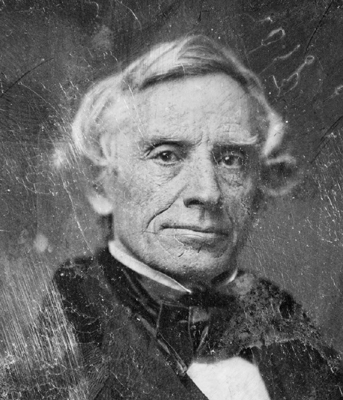
On January 6th 1838, Samuel Morse's telegraph system was demonstrated for the first time at the Speedwell Iron Works in Morristown, New Jersey. The telegraph, a device which used electric impulses to transmit encoded messages over a wire, would eventually revolutionize long-distance communication, reaching the height of its popularity in the 1920s and 1930s. Samuel … Continue reading January 6 1838 Samuel Morse Demonstrates Telegraph
January 5 1918 Nazi Party Foundation Formed
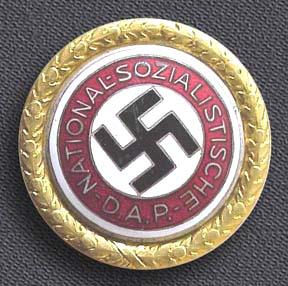
On January 5th 1918, the formation of the German political party, "Freier Ausschuss für einen deutschen Arbeiterfrieden" took place. Translated, it means "Free Committee for a German Workers' Peace." While the name may not be of much significance by itself, it is historically significant in that it was the foundation for what would in the … Continue reading January 5 1918 Nazi Party Foundation Formed
January 4 1642 First English Civil War Begins
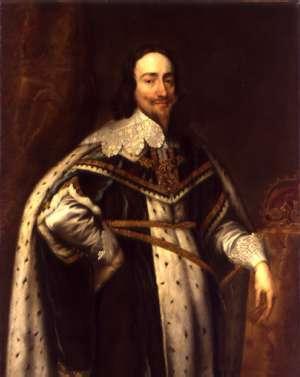
On January 4th 1642, King Charles I attacked Parliament in an attempt to capture five members of Parliament, which is regarded as the official beginning of the English Civil War. The Civil War, essentially fought between Parliamentary supporters and Royalists, gave rise to historically prominent figures the likes of Oliver Cromwell, King Charles I, and … Continue reading January 4 1642 First English Civil War Begins
January 3 1990 Noriega Surrenders To US
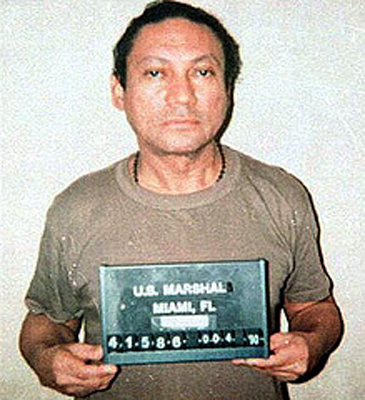
On January 3rd 1990, Panama's General Manuel Antonio Noriega, after holing up for 10 days at the Vatican embassy in Panama City, surrendered to U.S. military troops to face charges of drug trafficking. Noriega was flown to Miami the following day and crowds of citizens on the streets of Panama City rejoiced. On July 10, … Continue reading January 3 1990 Noriega Surrenders To US
January 2 1980 Jimmy Carter Postpones SALT II Nuclear Treaty
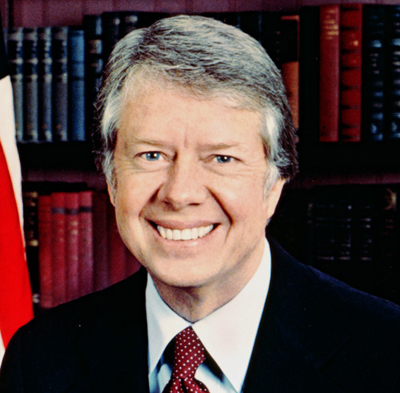
On January 2nd 1980, in a strong reaction to the December 1979 Soviet invasion of Afghanistan, President Jimmy Carter asked the Senate to postpone action on the SALT II nuclear weapons treaty and recalled the U.S. ambassador to Moscow. These actions sent a message that the age of detente and the friendlier diplomatic and economic … Continue reading January 2 1980 Jimmy Carter Postpones SALT II Nuclear Treaty
 Craig Hill