

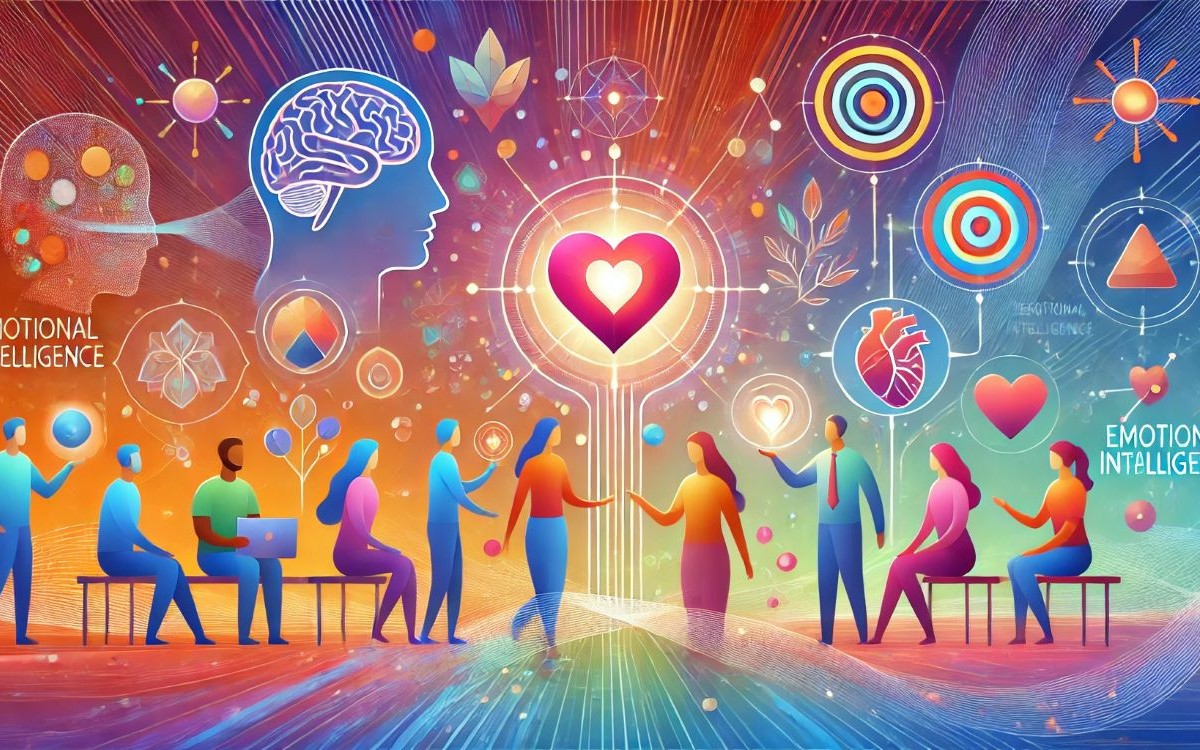
Have you ever met someone who seems to have a natural ability to connect with others and navigate difficult social situations with ease? Chances are, that person has a high level of emotional intelligence. But what exactly is emotional intelligence, and why is it so important?
At its core, emotional intelligence refers to the ability to perceive, understand, and manage emotions, both in oneself and in others. It involves a range of skills, from being able to accurately recognise and label one’s own emotions, to being able to empathise with others and respond appropriately to their emotional states.
One of the key components of emotional intelligence is self-awareness. This involves being able to recognise and understand our own emotions, including how they impact our thoughts, feelings, and behaviours. With self-awareness, we can learn to manage our emotions more effectively, which can improve our relationships and overall well-being.
Another important aspect of emotional intelligence is empathy. This involves being able to understand and relate to the emotions of others. Empathy is essential for building strong relationships and for effective communication, as it allows us to better understand and respond to the needs and concerns of others.
Emotional intelligence also includes the ability to regulate our emotions. This means being able to manage our own emotions in a way that is appropriate for the situation. For example, if we are feeling angry or frustrated, we can learn to express those emotions in a constructive way, rather than letting them boil over and cause unnecessary conflict.
Social skills are another important component of emotional intelligence. This includes being able to communicate effectively with others, build strong relationships, and navigate social situations with confidence and ease.
Finally, motivation is an important aspect of emotional intelligence. This involves being able to set goals for ourselves and to stay motivated and focused on achieving them, even in the face of obstacles and setbacks.
So why does emotional intelligence matter? Research has shown that people with higher levels of emotional intelligence tend to have better mental health, stronger relationships, and greater overall well-being. They are also more successful in their personal and professional lives, as they are better able to communicate effectively, collaborate with others, and manage their own emotions in a way that is conducive to success.
Fortunately, emotional intelligence is a skill that can be developed and improved over time. By focusing on building self-awareness, empathy, emotion regulation, social skills, and motivation, we can all become more emotionally intelligent and enjoy the many benefits that come with it.
In conclusion, emotional intelligence is a key component of personal and professional success. By learning to recognise, understand, and manage emotions, we can improve our relationships, communicate more effectively, and navigate social situations with greater ease.
So if you’re looking to improve your own emotional intelligence, start by focusing on building your self-awareness, empathy, emotion regulation, social skills, and motivation. With practice and dedication, you can become a more emotionally intelligent person and enjoy a happier, more fulfilling life.
We hope you enjoyed this article. To read all our business articles, please click here.
The Australian Business and Leadership School would like to remind you of our range of business courses that are available. If you are interested in finding out more about them, please complete the form below and we will contact you.


Visit the Australian Book and Language Studio
Tuition we provide at present includes the following industries:





































Discover more from Craig Hill
Subscribe to get the latest posts sent to your email.
 Craig Hill