
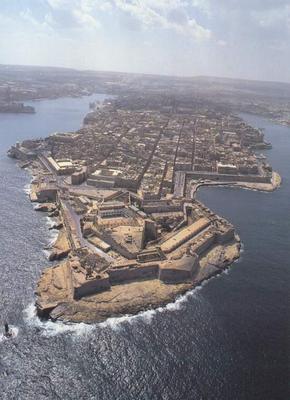
 On December 13 1974, Malta became a republic. While the European island had already been independent for a decade, the transformation into a republic signified overcoming one of the biggest obstacles in achieving some form of conciliation with Britain. Nevertheless, it would be a further five years before British forces would leave the island and allow Malta to be a self-governing country.
Malta, like Sicily, has over thousands of years been occupied by several superpowers, including the Carthaginians, Byzantines, Arabs, Spanish and French. Another parallel to Sicily, Malta has at several points been a significant Mediterranean port, bridging North Africa, Middle East and Southern Europe, and as such being a key trade port.
Its geographical significance remains today. Though only retaining a population of around 400, 000 people, it is one of the more lenient countries in terms of migration policy. All European nationals and those citizens of several other countries need no visas in order to visit the country, for a period of up to three months. Even those illegal immigrants which reach Malta’s shores have a high chance of being granted refugee of protected humanitarian status.
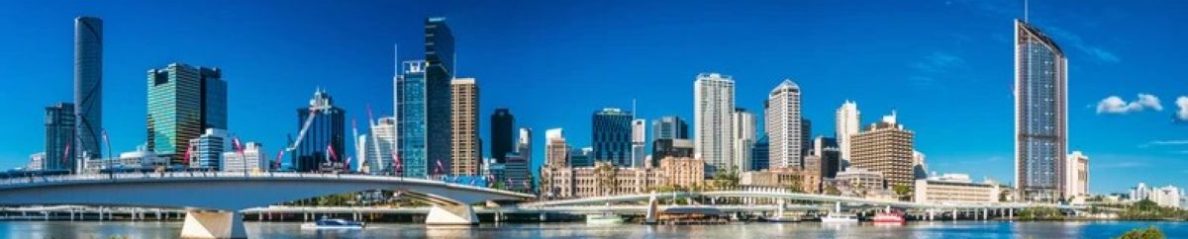
There is also a high rate of emigration; Australia has the largest Maltese population in the world, higher than that of Malta.
Discover more from Craig Hill
Subscribe to get the latest posts sent to your email.
 Craig Hill