

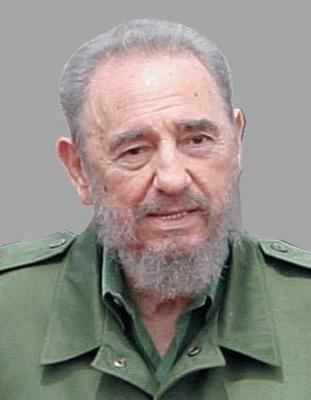
 On December 2nd 1961, five years to the day after the unofficial beginning of the Cuban Revolution, Fidel Castro announced in a national broadcast that the Cuban government had officially undertaken Communism as its core set of beliefs. While Castro had already forged ties to other Marxist-Leninist countries since 1959, including the Soviet Union and China, there was no official recognition of the government following suit until this day in 1961.
Several key events occurred in the run up to this announcement that can be seen to contribute to the official decision. It is general knowledge that the US was aggressively opposed to Communism in general, and the changeover of Batista to Castro led to strict sanctions being placed on the Caribbean island. In late 1960, the US placed a trade embargo on the country, in response to an aid agreement signed between Castro and the Soviet Union. This was followed by a string of CIA-organised assassination attempts on Castro, including exploding oysters, poisoned cigars, and the infamous Bay of Pigs invasion in April 1961.
US opposition to the Soviet-Cuban alliance came to a head in October 1962, when the Cuban Missile Crisis began. The missile crisis was the closest that the US and Soviet Union ever came to a “hot war,” or direct conflict.
Discover more from Craig Hill
Subscribe to get the latest posts sent to your email.
 Craig Hill